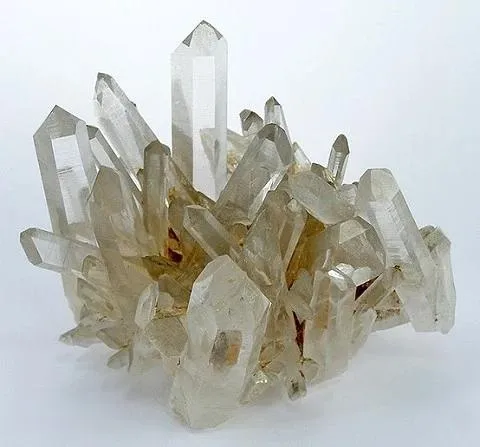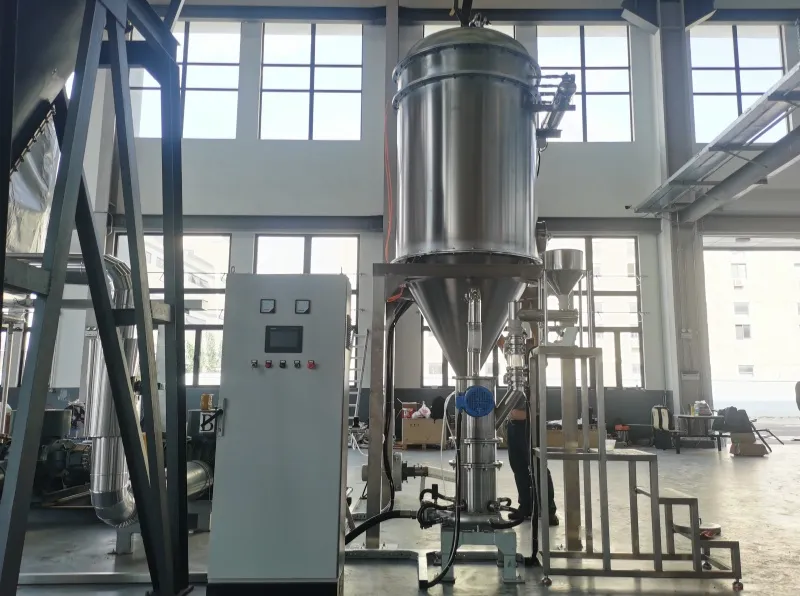
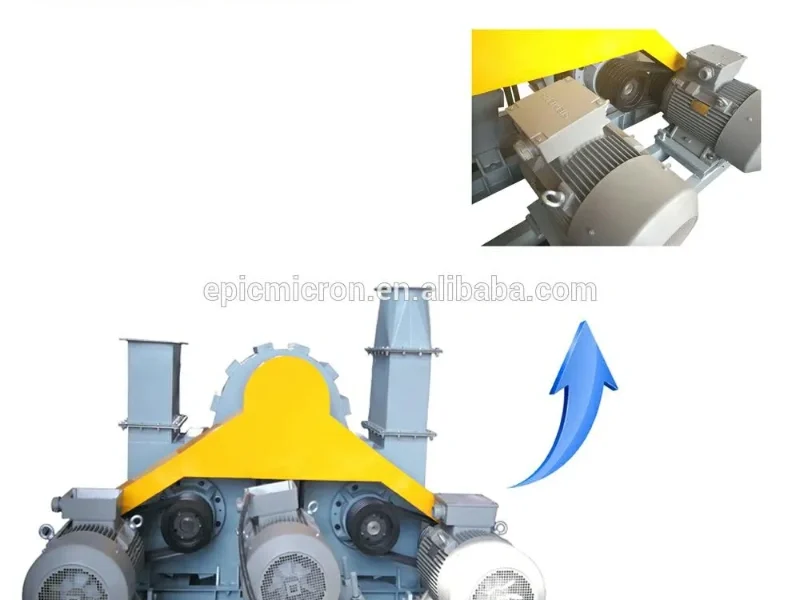
Silica micro powder, also known as ultrafine quartz powder, is an important non-metallic mineral material with broad application prospects in modern industry. To further enhance its performance and expand its fields of application, surface modification of silica micro powder has become increasingly essential.
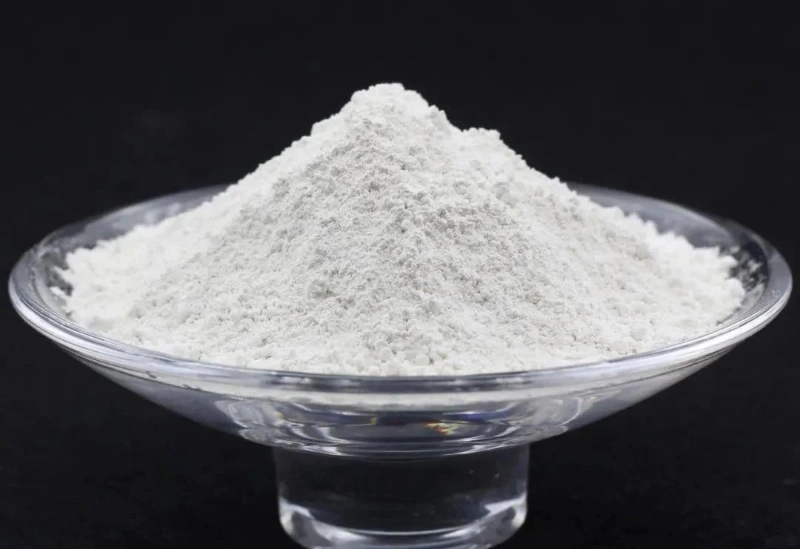
The Necessity of Modification
Surface modification technology plays a vital role in improving the performance of powder materials. Through modification, the compatibility between powder and matrix can be enhanced, while dispersion and mechanical strength in polymer and composite materials can be significantly improved—thereby enhancing overall material properties.
For silica micro powder, modification is the key to achieving high performance, functionality, and wider applicability in advanced materials.
Application of Modification in Polymer Materials
In polymers such as plastics, rubber, and adhesives, non-metallic fillers serve as critical reinforcing materials. However, these fillers often face challenges such as poor interfacial compatibility and uneven dispersion, which can degrade overall product performance.
Surface modification of fillers is an effective way to overcome these issues. As one of the most widely used fillers, the modification effect of silica micro powder directly determines the quality and performance of the final product.
Common Surface Modification Methods
Chemical Surface Modification
This method introduces new functional groups or compounds onto the surface of silica micro powder through chemical reactions, altering its surface properties such as hydrophobicity, oil absorption, wettability, and viscosity. It is one of the most commonly used and effective methods to improve compatibility and dispersibility with polymer matrices.
Coating Modification
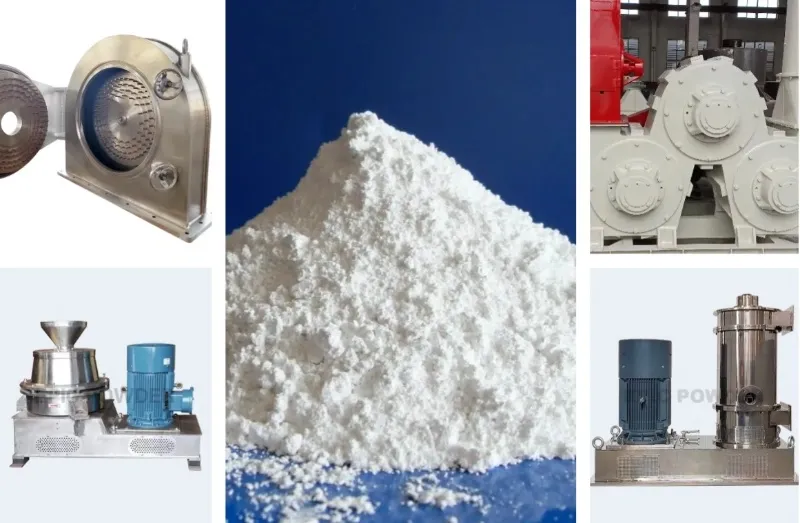
By coating the surface of silica micro powder with a material that has better compatibility with the matrix, a “buffer layer” is formed. This enhances dispersion, compatibility, processing flow, and stability. Coating modification not only improves surface properties but also strengthens the mechanical stability of the powder to some extent.
Mechanochemical Modification
This method utilizes mechanical force to induce chemical or physical changes on the surface of the silica particles. It features simple processing and easy operation, though its modification efficiency may be lower compared to the above two methods.
Therefore, surface modification of silica micro powder is of great significance for enhancing performance and expanding application areas. By selecting suitable modification methods and process parameters, its compatibility, dispersibility, and mechanical properties in polymers and composites can be greatly improved, providing strong technical support for high-performance material development.
Principles of Silica Micro Powder Surface Modification
Relationship Between Fineness and Modification
Generally, the finer the quartz powder particles, the larger their specific surface area and the greater the number of active hydroxyl groups. This makes fine particles more chemically reactive, resulting in better modification efficiency. Hence, ultrafine silica micro powder offers a natural advantage as a modification target.
Surface Characteristics of Silicate Minerals
After mechanical grinding, silicate minerals such as quartz generate free radicals or ions on their fresh surfaces. Under external conditions, these active sites can form groups such as Si–OH, Si–O–Si, and Si–OH···H. These surface groups provide chemical bonding sites for functional modifiers, laying the foundation for successful surface treatment.
Key Factors in the Modification Process
Several factors influence the effectiveness of silica micro powder modification:
- Temperature: Affects reaction rate and equilibrium. An appropriate temperature promotes reactions between modifiers and surface groups, improving modification efficiency.
- Modifier selection, dosage, and treatment method: The type and amount of modifier, as well as how it’s applied, greatly impact the outcome. Proper selection and optimization are essential for achieving high-performance results.
- Modification process: The design and optimization of the process influence modification efficiency and cost. Proper process control can significantly enhance the quality and consistency of modified products.
Epic Powder
Through precise mechanical grinding and air classification, cassava can be efficiently transformed into uniform, high-quality powder suitable for diverse industrial applications. Epic Powder’s advanced classification mill technology provides energy-efficient, stable, and customizable solutions for cassava powder production, helping enterprises achieve finer quality and higher productivity.

“Thanks for reading. I hope my article helps. Please leave a comment down below. You may also contact Zelda online customer representative for any further inquiries.”
— Posted by Emily Chen