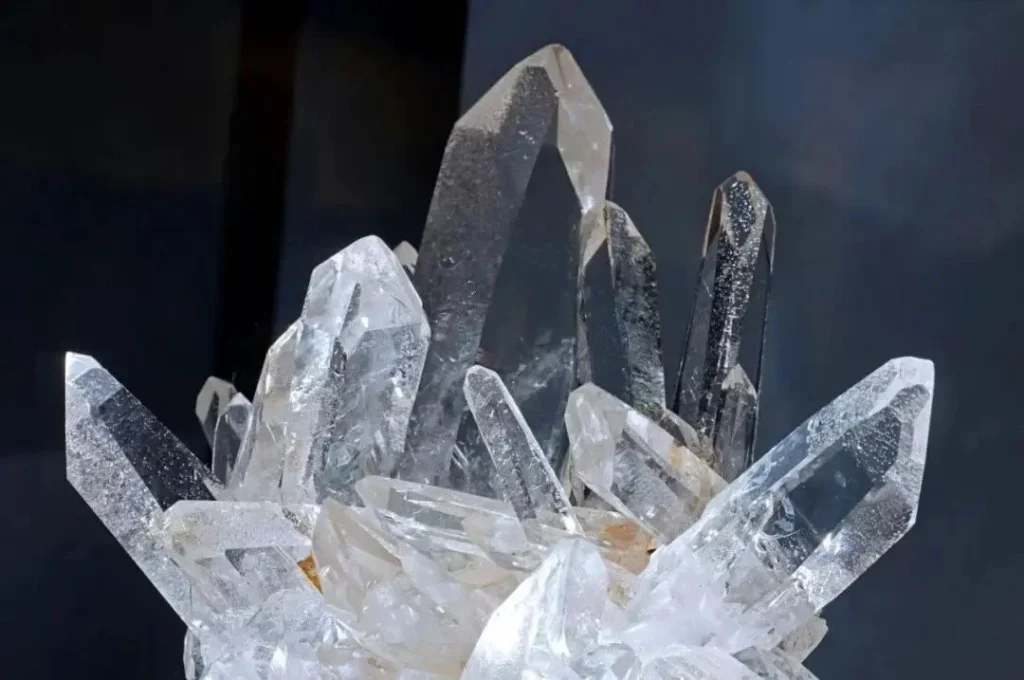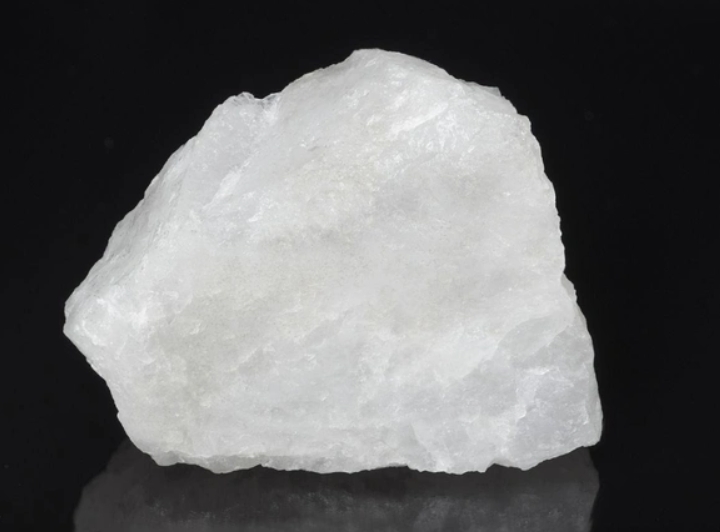
High-sphericity silica micro-powder (sphericity ≥ 0.95, often called spherical SiO₂) is an essential functional powder in advanced fields such as 5G substrates, copper-clad laminates (CCL), EMC epoxy molding compounds, silicone adhesives, and thermal interface materials. Traditional quartz powder produced by mechanical crushing has irregular angular shapes. Direct use leads to high system viscosity, low filling capacity, and poor flowability—making spherical treatment indispensable.
Below is the most mature, cost-effective, and industrially validated full-process route (widely adopted in China from 2023–2025) capable of achieving a stable sphericity of 0.96–0.99.
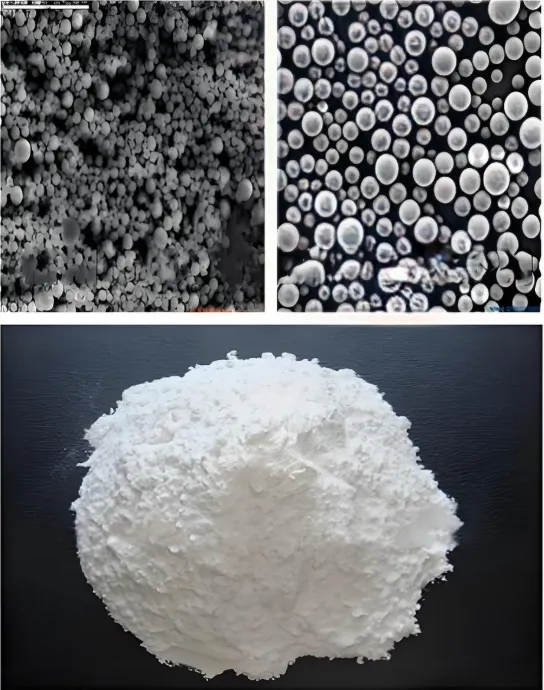
Raw Material Selection and Pre-Processing
The first and most crucial step in producing high-sphericity silica micro-powder is choosing the right quartz powder and performing refined pre-treatment.
Raw Material Requirements
High purity:
High-purity quartz powder (SiO₂ ≥ 99.95%, preferably ≥ 99.99%) is required. Impurities such as Fe, Al, K, and Na must be extremely low. These impurities reduce the thermal resistance and dielectric properties of spherical silica and can negatively affect sphericity during high-temperature melting.
Particle-size distribution:
Use high-purity fused quartz powder that has been finely milled and classified. The particle size should be as concentrated as possible, generally requiring D50 close to the target product size. Excessively coarse or excessively fine particles should be avoided.
Pre-Treatment
Ultrafine grinding and classification:
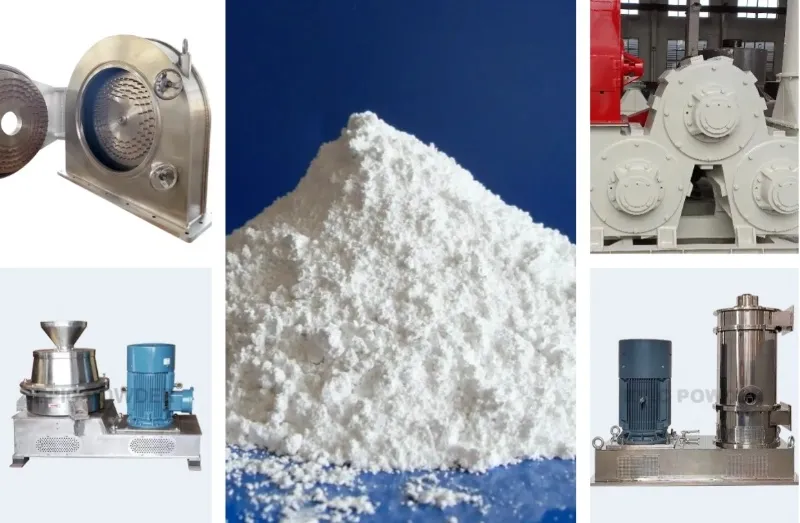
Quartz raw material is processed using ultrafine mills (such as jet mills) and high-precision classifiers (such as turbine classifiers) to obtain powders with a narrow particle-size distribution.
Chemical purification (acid leaching):
Quartz powder is acid-washed (with HCl, HF, or aqua regia) to remove metallic impurities on the surface and inside the lattice. This step is crucial for ensuring the final product’s electrical properties.
Drying:
Thoroughly dry the purified quartz powder to remove surface moisture.
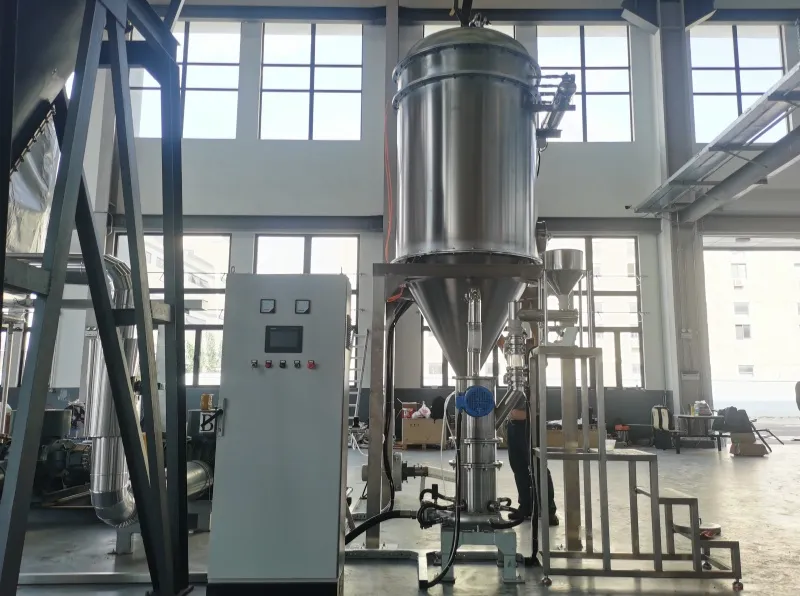
Core Technology: High-Temperature Plasma Melting Spheroidization
The key technology for transforming pre-treated quartz powder into spherical form is plasma melting. This is currently the mainstream industrial method for producing high-sphericity spherical silica.
2.1 Plasma Technology
Plasma torches generate extremely high-temperature zones ranging from 4000°C to 10000°C—far above the melting point of SiO₂ (about 1650°C).
| Plasma Torch Type | Key Features | Applicability |
|---|---|---|
| RF (Radio-Frequency) Plasma | Uniform temperature field, precise atmosphere control, minimal impurity introduction. | Ideal for producing high-purity, narrow-size spherical silica for high-end applications. |
| DC (Direct-Current) Plasma | High energy density, relatively lower equipment cost. | Suitable for large-scale production of mid- to low-end products. |
Melting and Spheroidization Process
Feeding:
Pre-treated quartz powder is introduced into the high-temperature plasma zone through a precise feeding system, typically as a gas–solid mixture to ensure uniform injection.
Melting and spheroidization:
As particles pass through the plasma region, they rapidly absorb heat and undergo surface or complete melting. Under the action of surface tension, the molten silica particles contract into near-perfect spheres.
Quenching and cooling:
After leaving the high-temperature zone, the spherical molten particles are immediately directed into a rapid-cooling (quenching) zone—usually an inert-gas atmosphere or air—to solidify the spherical shape quickly and prevent agglomeration or deformation.
Collection:
The solidified spherical silica particles are collected using a cyclone separator or bag filter.
Post-Processing (Determines Final Application Performance)
Dispersion and Classification
Although plasma melting reduces agglomeration, high-precision air classification or ultrasonic dispersion is still required to remove ultrafine and oversized irregular particles, ensuring qualified particle-size distribution and sphericity.
Surface Modification
For electronic encapsulation applications, spherical silica usually requires silane surface treatment to improve compatibility and dispersion in epoxy matrices.
- Silane types:
- KH550 / KH560 / KH570 → for EMC, CCL
- Phenyl/methyl silane → for high-temperature silicone materials
- Epoxy/acrylate silane → for thermal interface materials
Key Factors Affecting Sphericity
- Raw Powder Particle-Size Distribution
A narrower, more uniform particle size enables more even heating and melting in plasma, improving spheroidization rate. - Plasma Temperature & Residence Time
- Temperature: Must be high enough to ensure instantaneous melting.
- Residence time: Should be precisely controlled—long enough for full melting, but short enough to avoid vaporization or agglomeration.
- Cooling Rate
Fast quenching is critical. Slow cooling causes deformation or sticking between particles, reducing sphericity. - Feeding Rate & Uniformity
Feeding must be stable and uniform. Too fast a rate reduces heating time per particle, resulting in partially melted irregular particles.
Conclusion
Producing high-sphericity silica micro-powder from quartz powder is a complex integrated process involving high-purity refining, ultrafine milling and classification, and plasma high-temperature melting. By strictly controlling raw material purity, optimizing plasma melting parameters (temperature and residence time), and ensuring efficient rapid quenching, manufacturers can reliably produce high-purity, high-sphericity spherical silica that meets the stringent requirements of advanced electronic packaging and specialty material applications.

“Thanks for reading. I hope my article helps. Please leave a comment down below. You may also contact Zelda online customer representative for any further inquiries.”
— Posted by Emily Chen