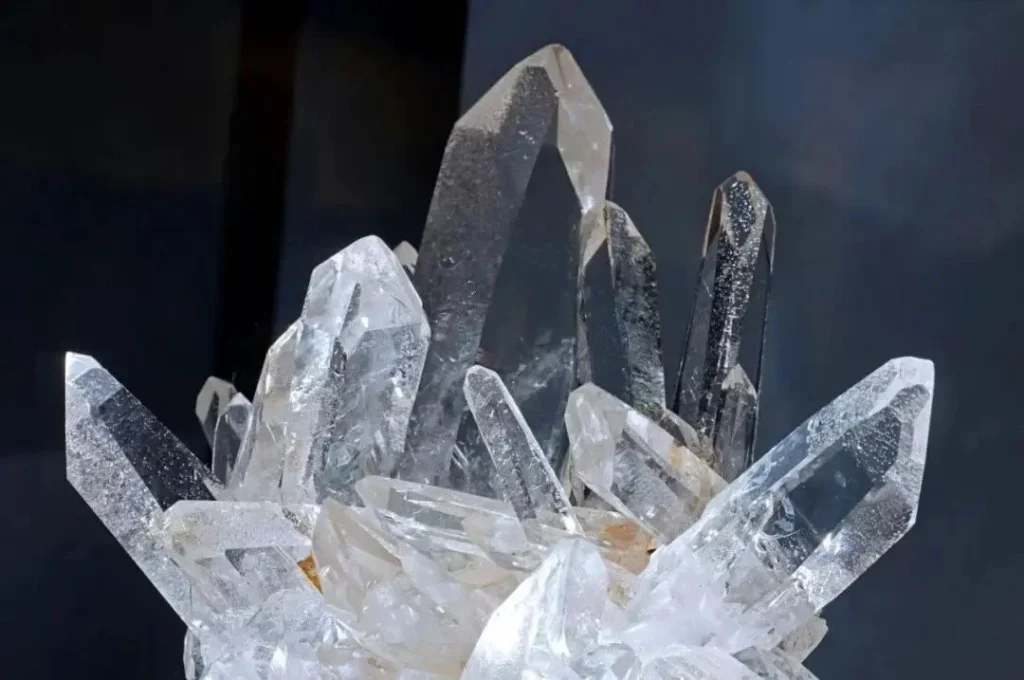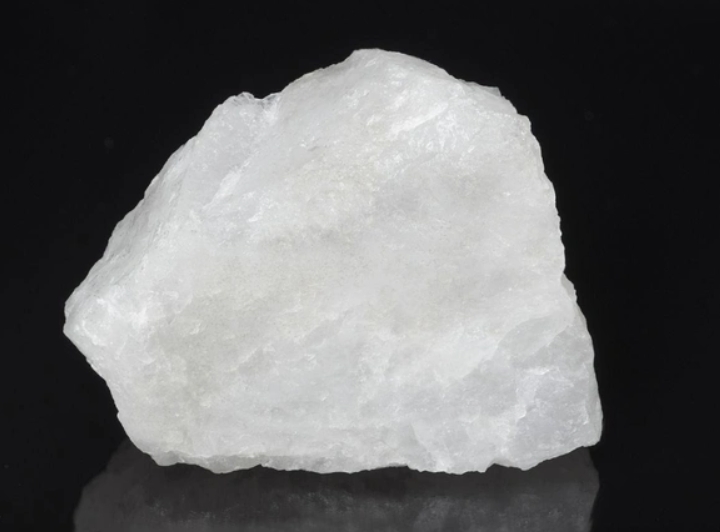
In high-performance electronic packaging materials and composite systems, silicon powder has long served as an important inorganic filler, playing multiple functional roles such as improving dielectric properties, thermal behavior, and dimensional stability. As packaging structures evolve toward higher density and higher reliability, powder materials are required not only to possess fundamental electrical and thermal properties, but also precisely controllable morphology and particle-size structures to adapt to high-speed, high-filling, and high-flow processing systems. As a result, spherical silicon powder has gradually become a core filler in high-end packaging material systems and has received significant attention in materials engineering.
This article provides a systematic analysis of spherical silicon powder from multiple dimensions, including material composition, microstructure, thermal and electrical properties, interfacial characteristics, and application behavior.
I. Composition and Purity System
Spherical silicon powder is primarily composed of high-purity silicon (Si). In electronic-grade materials, purity is typically controlled between 99.9% and 99.99%. The purpose of controlling impurity content is to prevent metallic impurities from increasing dielectric constant and damaging signal integrity. Especially in 5G and AI chip packaging materials, trace elements such as Fe, Al, and Ca can significantly deviate dielectric parameters from design values.
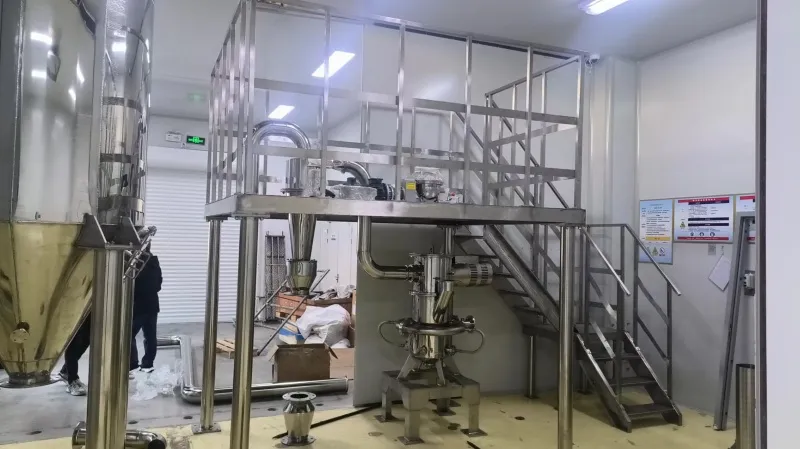
Process relevance of ultrafine grinding equipment:
Traditional metal-lined pulverizers inevitably introduce metallic contamination due to wear during high-speed impact. Therefore, jet mills or mechanical ultrafine grinding systems used in the front-end processing of spherical silicon powder must adopt full ceramic protection (such as silicon carbide, alumina, or zirconia linings). At the same time, inert gas protection during spheroidization (such as high-purity nitrogen or argon closed-loop systems) helps form thinner oxide films, which is beneficial for interface bonding stability and improves long-term reliability under heat and humidity conditions.
II. Morphology and Particle Size Structure
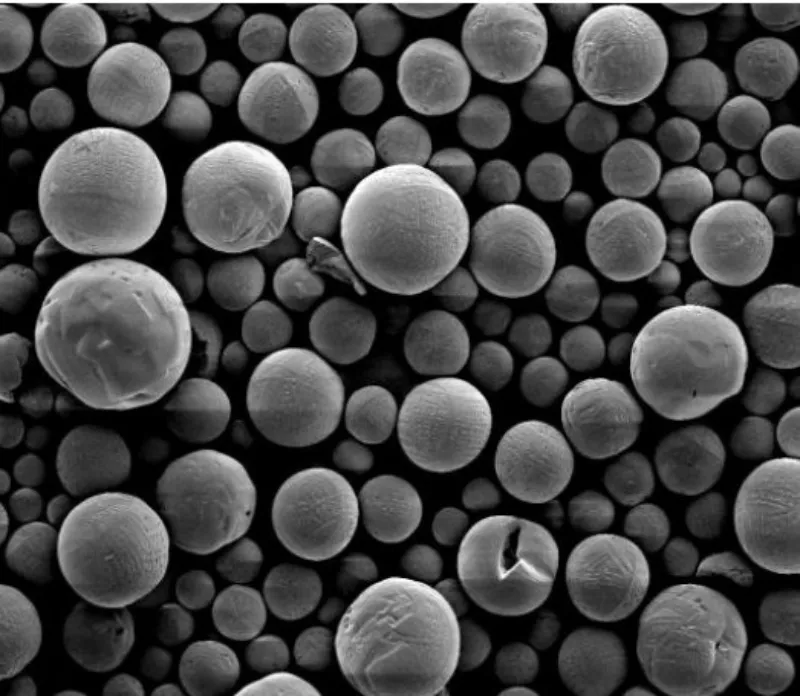
Spherical silicon powder is typically produced by gas atomization or plasma spheroidization, achieving near-ideal spherical particle morphology. Its uniqueness is reflected in three aspects:
1. High sphericity structure
High sphericity significantly differentiates its rheological behavior from irregular silicon powder, including:
- Lower shear viscosity;
- Higher solid loading while maintaining processability;
- Better particle packing structure, forming a high-density filler network.
2. Controllable particle size distribution and fine classification equipment
The particle size distribution of spherical silicon powder can be designed as multi-modal or narrow distribution. Proper grading significantly improves packing density and reduces resin infiltration.
Equipment synergy:
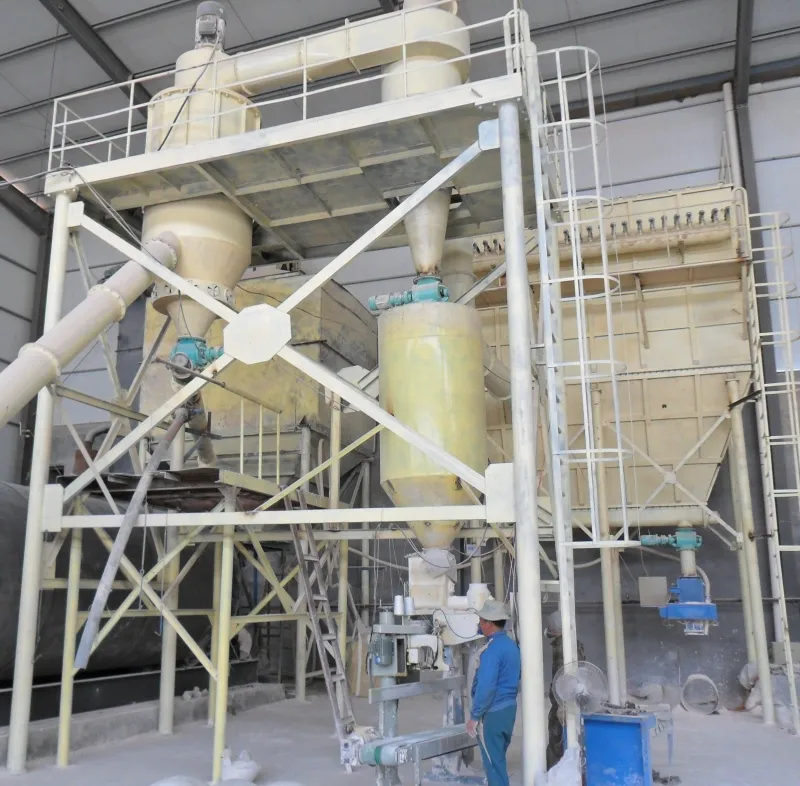
Air classifiers are the core equipment for controlling particle size distribution. Multi-stage high-precision turbine air classifiers can achieve extremely narrow cut sizes at the micron or even submicron level (e.g., precise control of D50 and D97). They effectively separate ultra-fine particles and remove coarse particles, meeting the requirements of submicron-level chip underfill materials.
3. Surface oxide film structure
A thin oxide film provides a more stable interfacial reaction environment, suppressing interface decomposition during high-temperature curing and long-term service, thereby improving reliability. In thermal cycling between -55~125°C, spherical silicon powder systems exhibit better dimensional stability.
III. Thermal Properties
- The low thermal expansion coefficient of silicon powder (CTE ≈ 2.6 × 10⁻⁶/K) is more compatible with epoxy and BT resin systems. When spherical particles form a dense high-loading structure, stress concentration can be significantly reduced, and package warpage can be minimized.
- In addition, although silicon powder is not a high thermal conductivity filler, its thermal conductivity is relatively good among inorganic materials. It helps establish a relatively continuous thermal conduction path, enabling the material to maintain heat dissipation capability under increasing power density trends.
IV. Electrical Properties
In high-speed and high-frequency materials, dielectric constant (Dk) and dielectric loss (Df) directly determine signal transmission delay and attenuation.
Spherical silicon powder has:
- High volume resistivity
- Low dielectric constant (generally <4)
- Low dielectric loss (0.001–0.004 range)
Due to the dense packing and more uniform dispersion enabled by spherical structure, defect density in the system is lower. As a result, stable dielectric performance can be maintained from GHz to tens of GHz frequency ranges. This makes it an irreplaceable functional filler in 5G communication materials and AI chip packaging materials.
V. Interfacial Behavior and Long-Term Reliability
The interfacial bonding stability between spherical silicon powder and resin matrix directly determines the moisture resistance of EMC and underfill materials.
The uniform contact interface provided by high sphericity and the thin surface oxide film make interfacial reactions more controllable, thereby improving:
- Moisture resistance stability (stable under 85°C/85%RH conditions);
- Thermal oxidation stability;
- Thermal cycling reliability (no delamination under -55~125°C cycles);
- Dimensional stability and mechanical strength retention.
In long-term reliability testing, crack initiation and interfacial debonding in spherical silicon powder-filled systems are significantly lower than in conventional silicon micropowder systems.
VI. Engineering Applications
| Application Field | Core Value of Spherical Silicon Powder | Core Ultrafine Equipment Support |
|---|---|---|
| Electronic Packaging Materials (EMC/Underfill) | Low dielectric, low thermal expansion, high fluidity; improves warpage and molding efficiency | Jet mill + high-temperature spheroidization furnace + precision air classifier (submicron contamination-free classification) |
| Thermal Conductive Potting and Sealing Materials | Enhances dimensional stability under high heat-density conditions in servers and AI modules | Mechanical shaping pulverizer (improves packing density and increases filler loading) |
| High-Frequency High-Speed Substrates (CCL) | Low-dielectric filler reduces high-frequency signal loss in substrate systems | Continuous powder surface modification system (improves compatibility with PTFE/epoxy resins) |
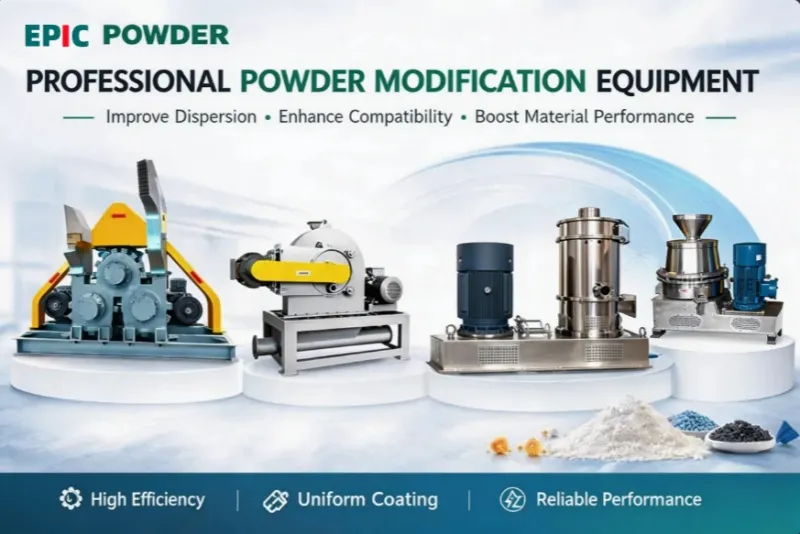
| Wear-Resistant Composites and Advanced Ceramics | Used in high-temperature ceramics, plasma spray coatings, and SiC precursor fillers | Inert gas protected ultrafine grinding system (prevents oxidation and explosion of reactive powders) |
Conclusion
In the future, as advanced packaging evolves toward 2.5D/3D and Chiplet architectures, spherical silicon powder will face increasingly stringent requirements of being “purer (5G/6G grade), finer (nano/submicron gradient composites), and more spherical.”
This directly drives ultrafine grinding equipment toward:
- Ultra-purification (fully ceramic, metal-free contamination systems),
- Intelligent control (online particle size monitoring and automatic grading adjustment),
- Flow-field optimization (reducing over-grinding of ultrafine particles).
Every breakthrough in ultrafine grinding and processing equipment will further unlock the material engineering value of spherical silicon powder in advanced packaging and high-end composite material applications.
“Thanks for reading. I hope my article helps. Please leave a comment down below. You may also contact Zelda online customer representative for any further inquiries.”
— Posted by Emily Chen