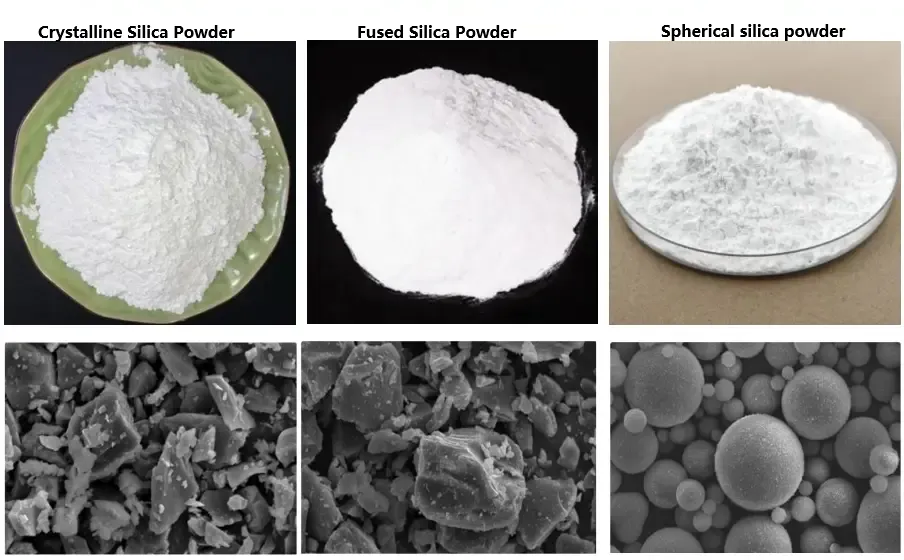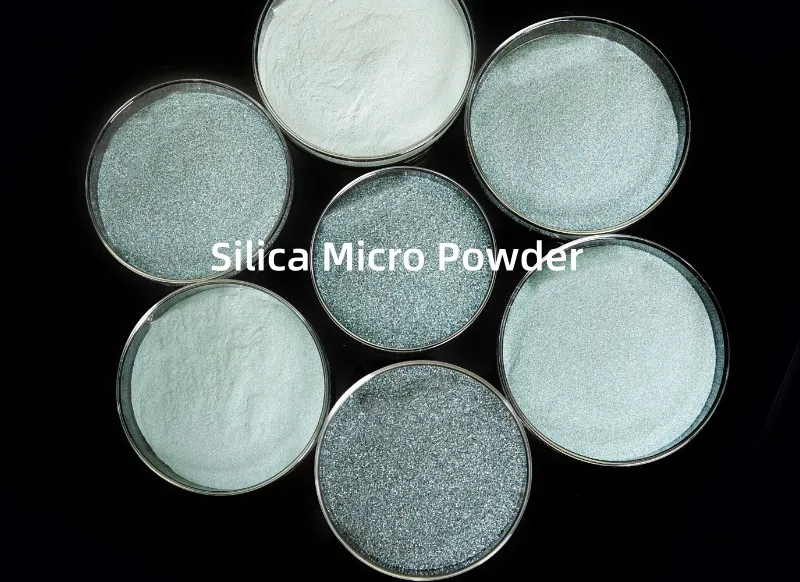
As an important industrial mineral, quartz is widely used in fields such as electronics and information technology, photovoltaic glass, semiconductors, quartz crucibles, optical materials, ceramics, and high-end coatings. The purity requirements of downstream industries are constantly increasing, particularly in the high-purity quartz sector. As a result, iron impurities have become one of the key factors affecting product quality. During the quartz processing, fine grinding is a crucial step for particle size control and individual particle separation. However, the grinding media, liners, and equipment wear in fine grinding machines can introduce new iron contamination. This contamination raises the Fe₂O₃ content in quartz products. For high-end quartz products that require Fe₂O₃ content below 100 ppm, or even just tens of ppm, even a small amount of iron contamination can reduce the product grade and negatively affect market value.
So, where exactly does iron contamination in the quartz fine grinding process originate? And how can it be effectively controlled and eliminated?
Major Sources of Iron Contamination in the Fine Grinding of Quartz
Before analyzing the solutions, it is necessary to clarify the sources of iron contamination.
1. Wear of Grinding Media
Equipment such as ball mills and agitator mills typically use steel balls, forged balls, or steel rods as grinding media. During long-term operation, these steel media undergo continuous wear.
The iron filings and iron oxide particles generated by this wear are directly mixed into the quartz powder, becoming one of the primary sources of iron contamination. This issue is particularly pronounced during the ultra-fine grinding stage, as the frequency of contact between the media and the material per unit time increases significantly.
2. Wear of Lining Plates and Equipment Inner Walls
Traditional ball mills typically use high-manganese steel or alloy steel lining plates. When a high-hardness mineral like quartz continuously impacts the inner walls of the equipment, the lining plates gradually wear down. This releases iron elements into the product stream. With a Mohs hardness of 7, quartz is far more abrasive than ordinary minerals, leading to accelerated equipment wear.
3. Contamination from the Conveying System
In addition to the mill itself, auxiliary equipment such as elevators, screw conveyors, pipes, and silos can also contribute to iron contamination.
Particularly during high-speed powder conveyance, frequent friction between particles and metal surfaces can easily result in secondary contamination.
4. Iron Impurities in the Raw Ore
Sometimes, when iron content is found to exceed standards, it is not entirely due to equipment contamination. Raw quartz ore may contain: hematite, limonite, magnetite, pyrite, biotite, and hornblende. These iron-bearing minerals are fully liberated after fine grinding, making iron elements easier to detect. Therefore, it is essential to distinguish between “primary iron” and “process-induced iron contamination.”
Reducing Iron Contamination Through Equipment Selection
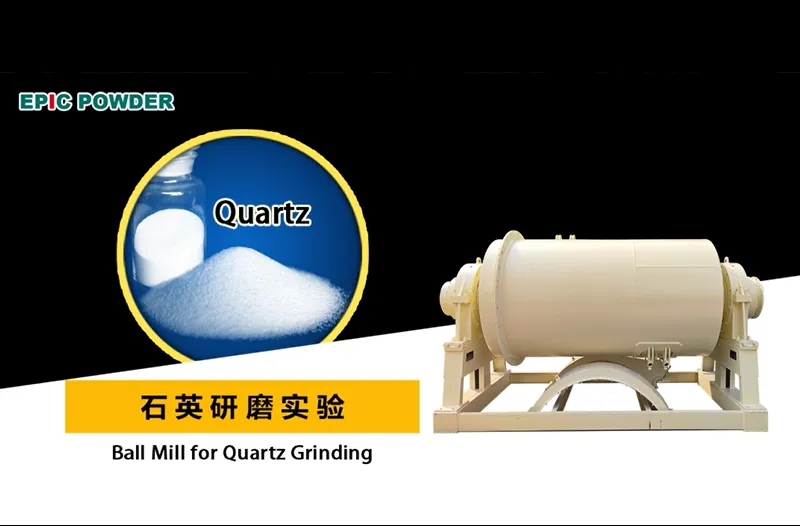
1. Selecting Ceramic Ball Mills to Eliminate Iron Contamination During Grinding
Compared to traditional steel ball mills, ceramic ball mills completely eliminate sources of iron through their equipment design and grinding media. They are the preferred choice for high-purity quartz grinding processes.
Iron-Free Core Configuration:
The entire unit is equipped with ceramic liners and utilizes non-metallic grinding media such as alumina balls, zirconia balls, and silica balls. The entire grinding system has no contact with steel materials, resulting in virtually zero iron contamination. This fundamentally prevents mechanical iron contamination during the grinding process.
Applications:
This equipment is widely used in the production and processing of high-purity quartz products.
It is suitable for high-purity quartz, electronic-grade quartz, photovoltaic quartz sand, and semiconductor quartz materials. It reliably ensures the purity of the material.
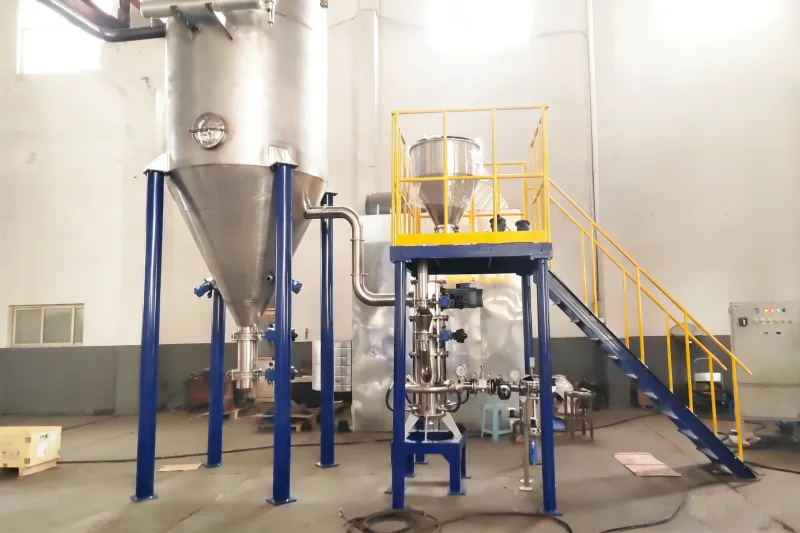
2. Utilizing an air jet mill system to achieve ultra-low iron contamination during grinding
The air jet mill is one of the most ideal core pieces of equipment for controlling iron contamination during the grinding and processing of high-purity and ultra-high-purity quartz materials.
Working Principle:
The equipment relies on high-speed airflow to drive quartz particles to collide and rub against each other, thereby achieving material grinding. The entire grinding process does not require traditional mechanical grinding media. No steel components such as steel balls or steel liners are involved in the grinding process. This completely eliminates iron contamination caused by mechanical contact and significantly reduces the iron content in the product.
Recommended Models for High-Purity Products:
To meet the processing requirements for ultra-high-purity, ultra-fine-particle-size quartz products, fluidized-bed air jet mills, counter-current air jet mills, or steam air jet mills can be selected. These equipment options balance the performance of ultra-fine grinding with the need for extremely low contamination.
3. Installation of Wear-Resistant Ceramic Protective Linings to Prevent Iron Contamination Throughout the Entire Process
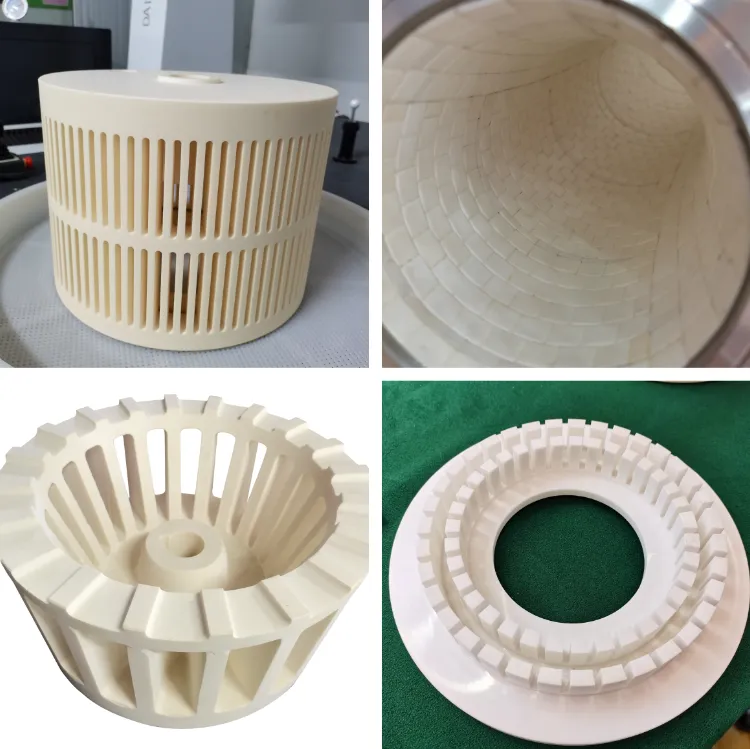
Installing non-metallic wear-resistant ceramic linings at critical points in the entire process—including ultra-fine grinding, material conveying, and collection—is a key measure to help reduce iron contamination. Modern ultra-fine processing equipment for high-purity quartz production commonly uses high-performance ceramic materials for internal lining protection.
Common protective materials:
Alumina ceramics, zirconia ceramics, and silicon carbide ceramics, which feature high wear resistance, high hardness, and no iron leaching.
Key protection areas:
Ceramic lining retrofits are performed on core material-contact areas such as grinding chambers, classification wheels, conveying pipes, and cyclone collectors. Ensuring that materials remain free from contact with iron and steel throughout the entire process. Reducing the introduction and contamination of iron from the very source of the production process.
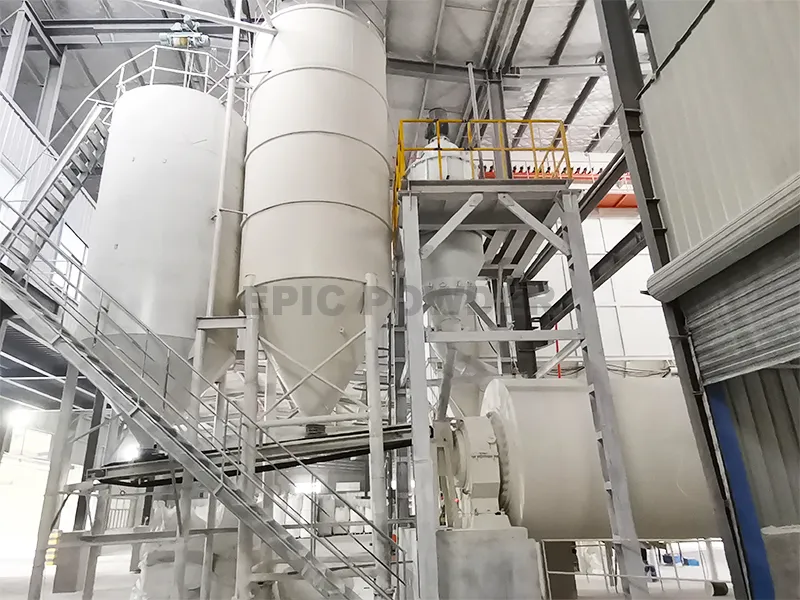
Eliminating Iron Contamination from a Process Perspective
Even when using low-contamination equipment, further iron removal is still required through subsequent processes.
Magnetic Separation for Iron Removal
Magnetic separation is the most common method for iron removal in the quartz industry. Depending on the differences in mineral magnetism, the following methods can be used:
Weak Magnetic Separation: Mainly removes: magnetite and strongly magnetic iron filings.
Strong Magnetic Separation: Primarily removes: hematite, limonite, and ilmenite.
Acid Leaching for Iron Removal
Acid Leaching for Iron Removal: For iron contamination already adhering to the quartz surface, magnetic separation alone is often insufficient for complete removal. In such cases, an acid leaching process is required.
Common acids include: hydrochloric acid, sulfuric acid, oxalic acid, and mixed acid systems. Among these, oxalic acid exhibits a strong complexing effect on iron oxides.
People Also Ask
Question 1: Can the use of stainless steel equipment completely prevent iron contamination?
The answer is no.
Many companies believe that since stainless steel does not rust, it will not cause iron contamination. In reality, stainless steel still contains a relatively high proportion of iron.
Under long-term wear conditions, trace iron particles will still be released. Additionally, stainless steel may also contain chromium, nickel, and manganese. These elements can similarly serve as sources of impurities. Therefore, for general quartz powder production, stainless steel equipment is sufficient. However, for high-purity quartz production, ceramicized equipment remains the superior choice.
Question 2: Is there absolutely no iron contamination in air jet mills?
The answer is that contamination is nearly nonexistent, but it is not absolutely zero.
Although air jet mills do not have the issue of steel ball wear, the following potential sources of contamination still exist within the equipment:
- Nozzle wear
- Classifier wheel wear
- Pipeline wear
- Valve wear
If these components are made of ordinary metallic materials, trace iron contamination may still occur after long-term operation.
Therefore, high-purity quartz production typically employs:
- Aluminum oxide lining
- Zirconia coating
- Ceramic classifier wheels
To further reduce the risk of contamination.
For semiconductor-grade quartz materials with extremely stringent requirements, it is also necessary to regularly monitor equipment wear and track trends in product iron content.
Conclusion
The sources of iron contamination during the fine grinding of quartz are complex. They include both iron-containing impurities in the raw ore and mechanical contamination resulting from equipment wear. Demand for high-purity quartz continues to grow in industries such as photovoltaics, semiconductors, and electronics. As a result, traditional processing methods that rely on steel ball mills are becoming increasingly unable to meet market requirements.
Manufacturers can significantly reduce the iron content in quartz products by adopting ceramic grinding systems, ultrafine grinding with air-jet mills, high-gradient magnetic separation, acid leaching and purification, and comprehensive anti-contamination measures throughout the entire production process. These approaches help improve product purity and increase added value.
For high-end quartz manufacturers, controlling iron contamination is more than a technical challenge. It is also a crucial factor in enhancing market competitiveness and maximizing product value.

“Thanks for reading. I hope my article helps. Please leave a comment down below. You may also contact Zelda online customer representative for any further inquiries.”
— Posted by Emily Chen