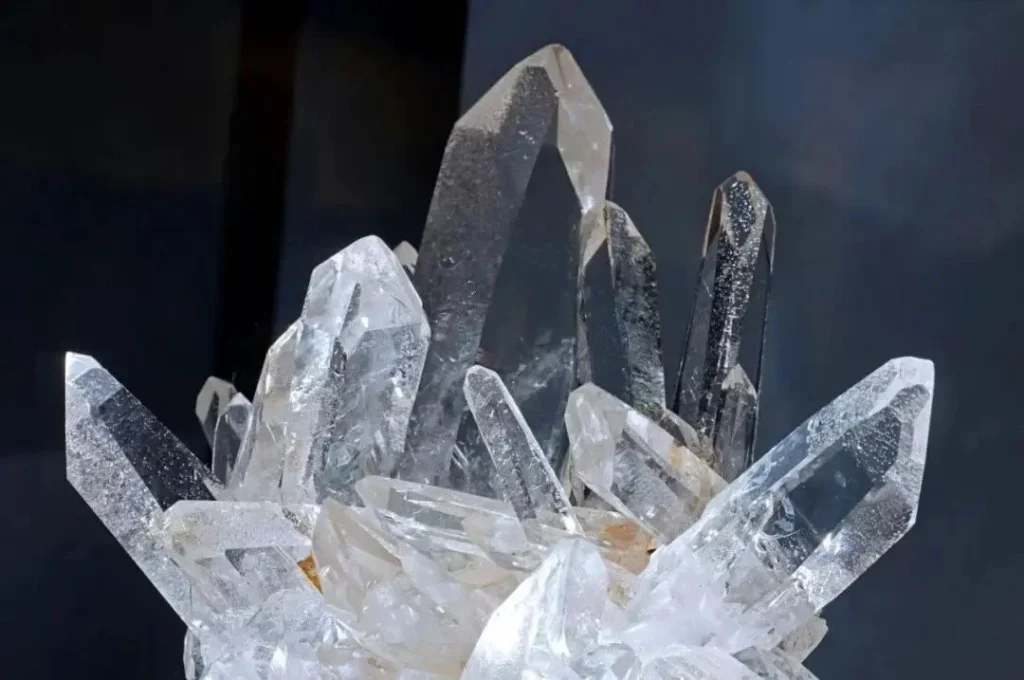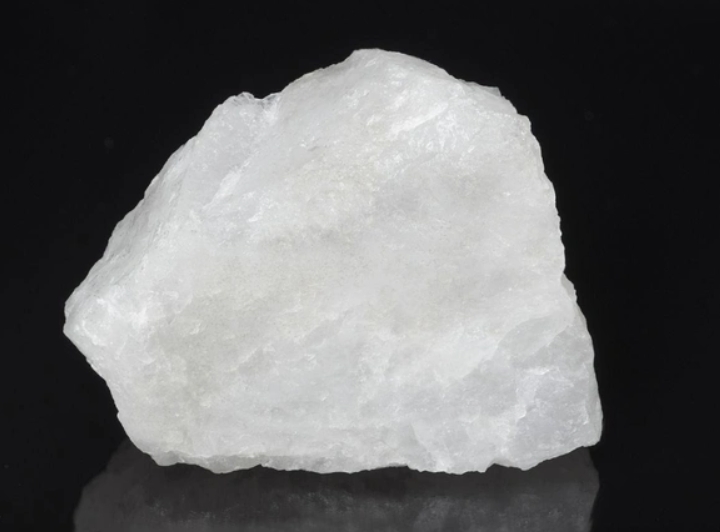
Glass powder is an inorganic powder material produced from waste glass or specialty glass through crushing, grinding, and classification. It features high transparency, high hardness, excellent acid and alkali resistance, and a low thermal expansion coefficient. Glass powder particle size is usually expressed in mesh—the higher the mesh number, the finer the particles (for example, 400 mesh ≈ 38 μm, 1250 mesh ≈ 10 μm).
Due to differences in particle size, glass powders with different mesh ranges show clear variations in dispersion behavior, filling performance, surface smoothness, and reactivity. These differences make each mesh size suitable for specific industrial applications. This article introduces the basic properties of glass powder and highlights the main application areas of glass powders with different mesh sizes.
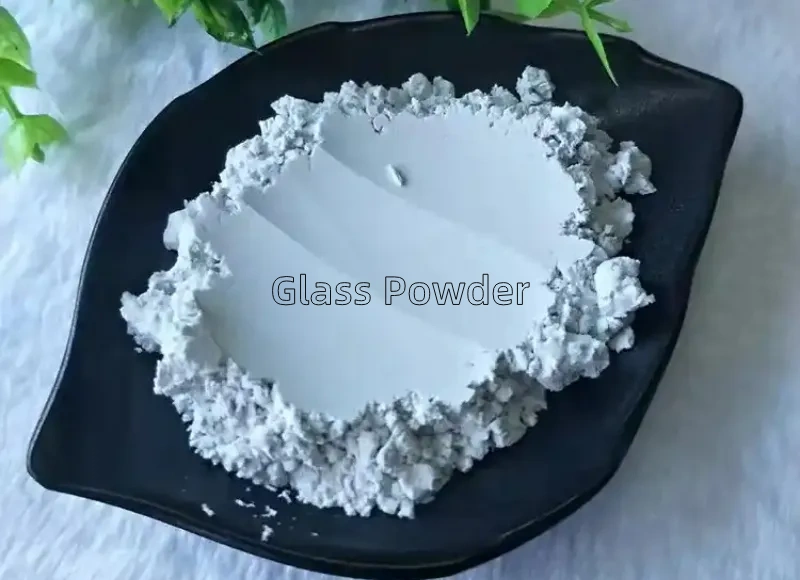
Basic Properties and Classification of Glass Powder
Glass powder can generally be divided into ordinary glass powder (made from recycled glass) and specialty glass powder (such as low-melting-point glass powder and borosilicate glass powder). Their common advantages include:
- High transparency and hardness, improving scratch resistance
- Good dispersibility and chemical stability
- Low thermal expansion coefficient, suitable for high-temperature or weather-resistant environments
Particle size is the key factor influencing applications:
- Coarse mesh (low mesh number, e.g., 200–400 mesh, particle size ~75–38 μm): Larger particles, strong filling effect, lower cost
- Medium mesh (400–1250 mesh, particle size ~38–10 μm): Well-balanced performance, widely used in coatings and plastics
- Fine mesh (above 1250 mesh, even 3000–6000 mesh, particle size <10 μm): Extremely fine particles with high surface activity, suitable for precision electronics and high-temperature sealing
Glass Powder Production Process: Jet Milling Technology
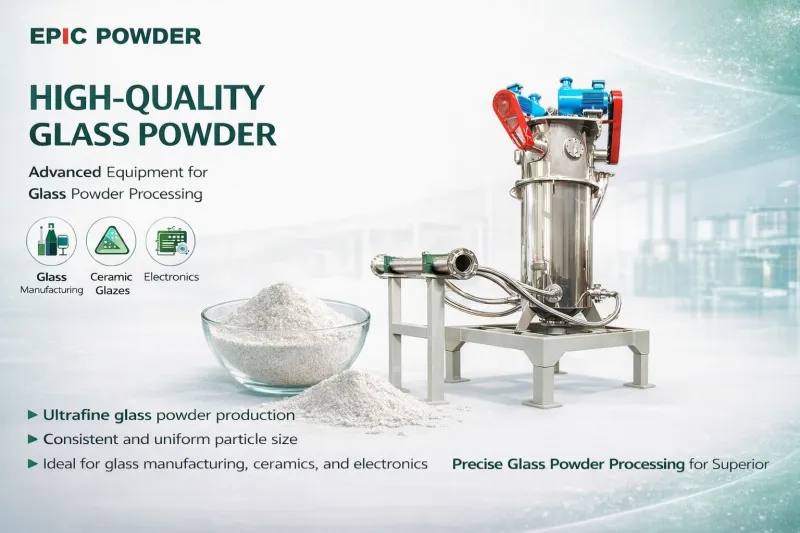
Grinding is one of the key steps in glass powder production. Traditional methods such as ball mills, hammer crushers, or Raymond mills are suitable for coarse and medium mesh glass powders. However, for ultrafine glass powders (above 1250 mesh, even 3000–6000 mesh, particle size <10 μm), jet milling technology (also known as air jet mills) has become the mainstream solution.
Jet mills are especially suitable for applications such as precision electronics, ceramic sealing, and low-melting-point glass powders, as they can produce ultrafine powders with high purity and narrow particle size distribution.
Advantages of Jet Mills in Glass Powder Production
Compared with ball mills or stirred mills, jet mills offer significant advantages, particularly for brittle, high-hardness materials like glass:
- High purity, no contamination: No grinding media or mechanical contact parts, minimizing iron contamination and equipment wear. Glass powder purity can reach over 99.9%, making it suitable for electronic pastes and solar photovoltaic applications.
- Ultrafine and uniform: Narrow particle size distribution (D97 can reach 1–10 μm), smooth particle surfaces, regular shapes, and high activity. Ultrafine glass powders above 1250 mesh, or even nanoscale powders (using superheated steam), can be achieved.
- Low-temperature grinding: Almost no heat generation during processing, ideal for heat-sensitive or low-melting-point glass powders, preventing material degradation.
- Precise particle size control: Product mesh size can be accurately controlled by adjusting air pressure, classifier wheel speed, or nozzle parameters.
- Environmentally friendly and efficient: Enclosed operation with low dust and noise. Although energy consumption is relatively high, jet milling is more efficient than mechanical grinding for hard and brittle materials such as glass.
- Suitable for hard materials: With glass having a Mohs hardness of about 6–7, fluidized bed jet mills can process materials with hardness up to 9.
Application Fields of Glass Powder with Different Mesh Sizes
1. Coatings and Paints (Most Common Application, Typically 400–1250 Mesh)

Glass powder acts as a functional filler in coatings, significantly improving film performance. Typical addition levels are 5–15%.
- Coarse to medium mesh (400–800 mesh): Used in furniture coatings, decorative paints, metal coatings, and plastic coatings. Enhances transparency, hardness, wear resistance, and scratch resistance while maintaining good recoatability and avoiding bluish tones. Suitable for high-end crystal primers, bottle coatings, and wood coatings.
- Fine mesh (800–1250 mesh): Used in scratch-resistant topcoats and matte coatings to improve toughness and weather resistance. Also applied in high-temperature coatings and reflective thermal insulation coatings.
- Advantages: Easier dispersion and smoother coating films compared to traditional fillers such as talc.
2. Plastics and Rubber Filling (Typically 800–2000 Mesh)
As a lightweight filler, glass powder reduces product weight and improves mechanical properties.
- Medium-fine mesh (800–1250 mesh): Used in engineering plastics (such as POM and PC) and rubber products. Improves hardness, scratch resistance, and dimensional stability. Suitable for mirror-finish products, LED tubes, display panels, and headphone housings made from high-transparency plastics.
- Fine mesh (above 1250 mesh): Used in precision injection-molded parts to reduce warpage and improve flowability.
- Compared with hollow glass microspheres, glass powder focuses more on improving hardness and transparency rather than weight reduction.
3. Electronics and Ceramics (Ultrafine Mesh, Typically 1500–6000 Mesh)
Low-melting-point glass powder (also known as frit glass powder) is a key material.
- Ultrafine mesh (1500–3000 mesh or higher): Used in electronic pastes (such as silver and copper pastes), LTCC (Low-Temperature Co-fired Ceramics), and MLCC (Multilayer Ceramic Capacitors). Acts as a sintering aid to lower firing temperatures and improve densification and bonding strength. Suitable for thick-film circuits, conductive pastes, and encapsulation materials.
- Medium-fine mesh: Used in solar photovoltaics, heating plates, and vacuum device sealing.
- Advantages: High insulation performance and low thermal expansion coefficient, meeting the requirements of microelectronic packaging.
4. Construction and Cement Materials (Typically 200–500 Mesh)
- Coarse mesh (200–400 mesh): Partially replaces cement or sand in concrete, improving compressive strength, durability, and chemical corrosion resistance, while reducing weight and carbon emissions.
- Medium mesh: Used in artificial marble and wall putty to improve adhesion and reduce shrinkage.
5. Other Specialized Applications
- Printing and decoration (medium-fine mesh): Used in screen-printing inks for glass products to enhance adhesion and corrosion resistance.
- Refractory and high-temperature materials: Fine mesh low-melting-point glass powders are used in refractory castables and flame-retardant materials.
- Grinding and polishing: Ultrafine glass powder is used for precision polishing applications.
Conclusion
Although glass powder has a relatively high density and tends to settle, surface treatment can significantly improve its dispersibility. In the future, driven by stricter environmental regulations, lead-free low-melting-point glass powders and ultrafine powders will gain increasing attention. Glass powder shows broad application prospects in electronics, coatings, and lightweight composite materials.
Glass powders with different mesh sizes each have their own strengths:
- Coarse mesh focuses on filling performance and cost efficiency
- Medium-fine mesh offers strong versatility
- Ultrafine mesh is essential for high-tech applications
Selecting the appropriate particle size based on specific performance requirements—such as transparency, hardness, or melting point—is key to achieving optimal results. As a multifunctional material, glass powder continues to drive innovation and sustainable development across multiple industries.

“Thanks for reading. I hope my article helps. Please leave a comment down below. You may also contact Zelda online customer representative for any further inquiries.”
— Posted by Emily Chen