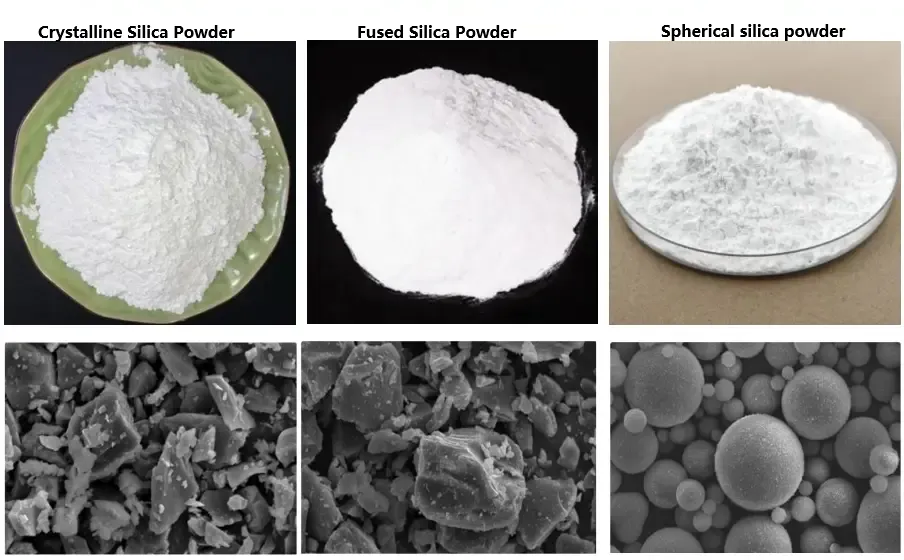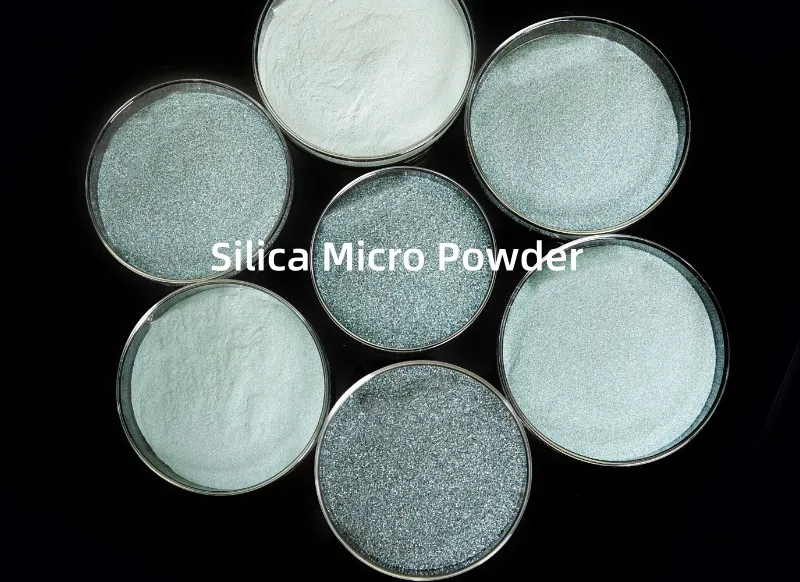
Selecting the right grinding mill for quartz is a critical decision that influences everything from product purity to final market value. Quartz (SiO2), known for its high Mohs hardness (7) and abrasive nature, requires specialized processing to avoid equipment wear and material contamination.
The following guide explores how to navigate these technical requirements for various industrial applications.
Conceptual Breakdown of Quartz Grinding Systems
To choose the right mill, one must first understand the fundamental variables involved in quartz processing. The “right” choice is never universal; it is defined by the intersection of three core concepts:
1. Feed Size vs. Target Fineness
Quartz processing is generally categorized into three stages:
- Coarse Grinding: Producing “quartz sand” (20–100 mesh) for glass and construction.
- Fine Powder: Producing 200–600 mesh powder for ceramics and fillers.
- Ultrafine/Nano Powder: Producing D97 < 5μm powder for high-end electronics, semiconductors, and specialized coatings.
2. Purity Requirements (Iron Contamination Control)
This is the most “make-or-break” concept in quartz processing. In applications like High Purity Quartz (HPQ) for solar crucibles, iron content must be kept in the parts-per-million (ppm) range. This necessitates:
- Ceramic Linings: Using alumina or silica bricks.
- Grinding Media: Using high-alumina balls or quartz pebbles instead of steel balls.
3. Energy Efficiency and Throughput
Grinding quartz is energy-intensive. The choice between a Ball Mill with Air Classifier, a Jet Mill, or an Impact Mill depends on whether your priority is massive hourly tonnage or the tightest possible particle size distribution (PSD).
What is People Also Ask in Quartz Grinding Mill ?
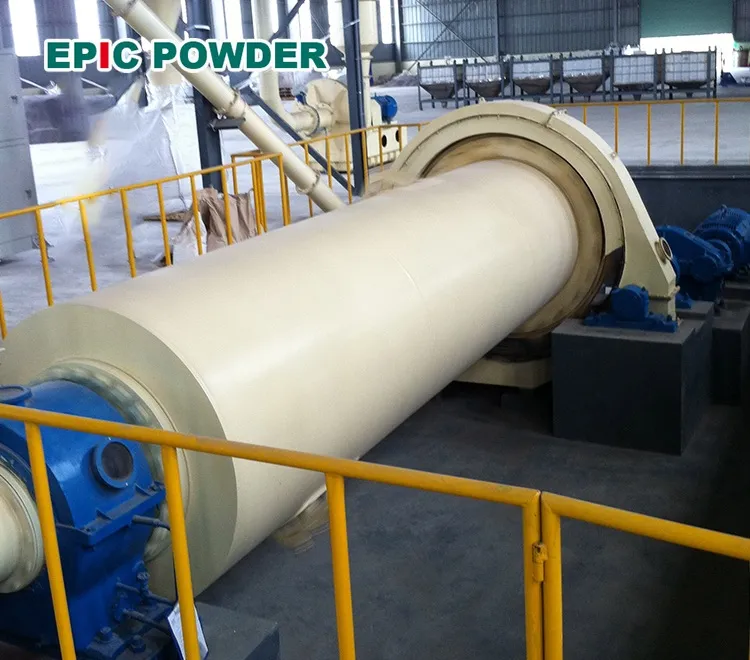
Q1: Why is a Ball Mill + Air Classifier system often preferred over standalone mills for large-scale quartz production?
Answer: While a standalone mill can grind quartz, it often produces a wide range of particle sizes, leading to “over-grinding” where energy is wasted turning already-fine powder into useless dust.
A Ball Mill coupled with an Air Classifier creates a closed-loop system. The mill handles the heavy lifting of breaking the quartz, while the classifier immediately extracts the particles that have reached the target size. This increases capacity by 30–50% and allows for precise control over the top cut (D97).
Q2: When should I choose a Jet Mill instead of a Mechanical Impact Mill?
Answer: The choice depends on the “Value-Add” of the final product.
- Mechanical Impact Mills (Classifier Mills): Best for medium fineness (D90: 20–45μm) and high-volume applications like standard ceramic frits. They are more cost-effective but involve high-speed moving parts that can wear down when facing abrasive quartz.
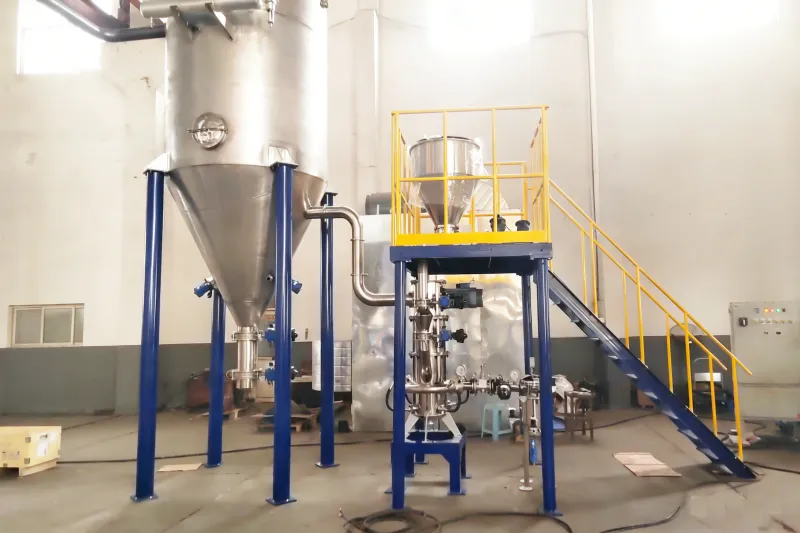
- Jet Mills (Fluidized Bed): Best for ultrafine, high-purity quartz. Because jet mills use compressed air to make quartz particles collide with each other (self-grinding), there is minimal contact with the machine walls. This results in the highest purity and the narrowest PSD for electronic-grade fillers.
The Benefits of Strategic Equipment Selection
Choosing the correct mill configuration offers three primary industrial advantages:
- Extended Equipment Lifespan: Quartz is a “machine killer.” By choosing a mill with appropriate wear-resistant protection (such as polyurethane, ceramics, or specialized alloys), you reduce downtime caused by part replacement.
- Product Value Maximization: In the mineral market, the “whiteness” and “purity” of quartz dictate the price. A properly selected system prevents “graying” (iron staining), allowing you to sell to premium markets like artificial stone or optical glass.
- Reduced Operational Expenditure (OPEX): Precise classification ensures that energy is not wasted. A system optimized for your specific target fineness can reduce electricity consumption per ton by up to 20%.
Step-by-Step Guide to Choosing Your Mill
Step 1: Define Your “End-Use” Specification
Before looking at machines, document your requirements:
- D50 and D97: What is the median and top-cut size?
- Oil Absorption: Important if the quartz is used as a filler in polymers.
- Fe content: What is the maximum allowable iron contamination?
Step 2: Evaluate the Feed Material
Test the hardness and moisture content of your raw quartz. If moisture is >1%, you will need to integrate a drying system or use a wet-grinding process, though dry grinding is more common for high-purity powder.
Step 3: Select the Grinding Technology
- For 325–1250 mesh: Opt for a Ball Mill with a Multi-Rotor Classifier. This is the workhorse of the industry.
- For 2μm – 10μm: Opt for a Fluidized Bed Jet Mill.
- For Surface Modification: If the quartz needs to be coated with silane for better resin integration, choose a Three-Roller Coating Machine or a continuous modification system following the grinding stage.
Step 4: Design the Wear Protection
Specify the lining. For quartz, Alumina (92-99% Al2O3) or Natural Quartz Bricks are the industry standard. Ensure the classifier rotors are also ceramic-coated or made of zirconia.
Step 5: Pilot Testing
Never purchase a full-scale line without a material trial. Send 50–100kg of your specific quartz to a testing facility to verify that the predicted PSD and purity are achievable with the chosen machinery.
Practical Case Studies and Results
Case Study 1: High-Purity Quartz for the Solar Industry
- Requirement: D50: 3.5μm, extremely low iron contamination.
- Solution: A fluidized bed jet mill with a full ceramic lining and nitrogen gas protection (to prevent oxidation).
- Result: The client achieved a D97 of 8μm with a whiteness of over 96%. The self-grinding mechanism of the jet mill kept iron increments below 5ppm, making the powder suitable for solar-grade crucibles.
Case Study 2: Large-Scale Production for Artificial Stone
- Requirement: 10 tons per hour at 325 mesh (D97 < 45μm).
- Solution: A 2.2m x 7m Ball Mill integrated with a high-efficiency horizontal turbine classifier.
- Result: By using a closed-circuit system, the client reduced energy consumption by 15% compared to their previous open-circuit ball mill. The use of silica lining bricks ensured the powder remained white enough for high-end engineered stone surfaces.
Case Study 3: Ultrafine Silica for Electronic Encapsulants
- Requirement: Sub-micron particle size with a very narrow distribution to ensure high flowability in epoxy resins.
- Solution: A steam jet mill (using superheated steam as the grinding medium).
- Result: The higher kinetic energy of steam compared to compressed air allowed for a D50 of 1.2μm. This enabled the manufacturer to increase the filler loading in their electronic components, improving thermal conductivity while maintaining high insulation.
Conclusion
The “right” quartz grinding mill is a balance of physics and economics. By focusing on contamination control, particle size precision, and wear resistance, producers can transition from selling a low-value commodity to a high-value technical mineral. Whether it is the robust reliability of a Ball Mill or the surgical precision of a Jet Mill, your choice should always be driven by the specific demands of the final industrial application.

“Thanks for reading. I hope my article helps. Please leave a comment down below. You may also contact Zelda online customer representative for any further inquiries.”
— Posted by Emily Chen