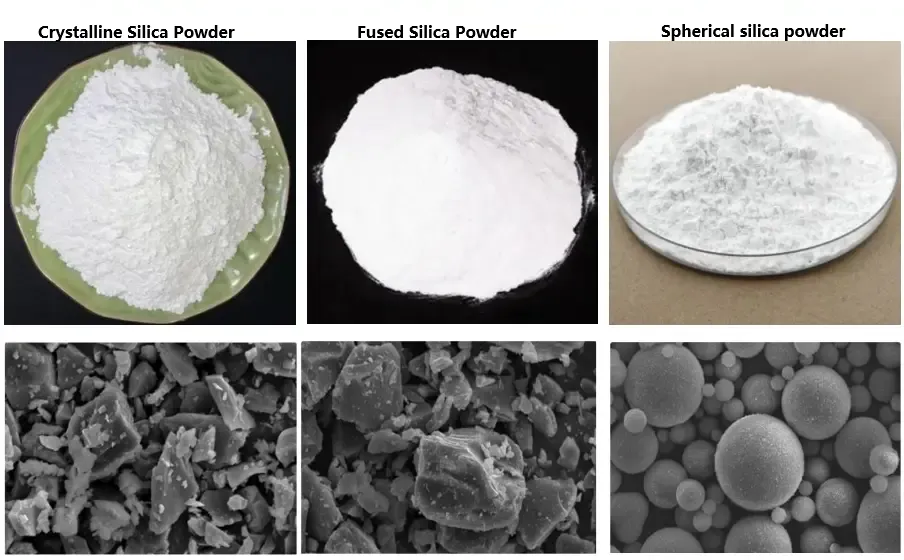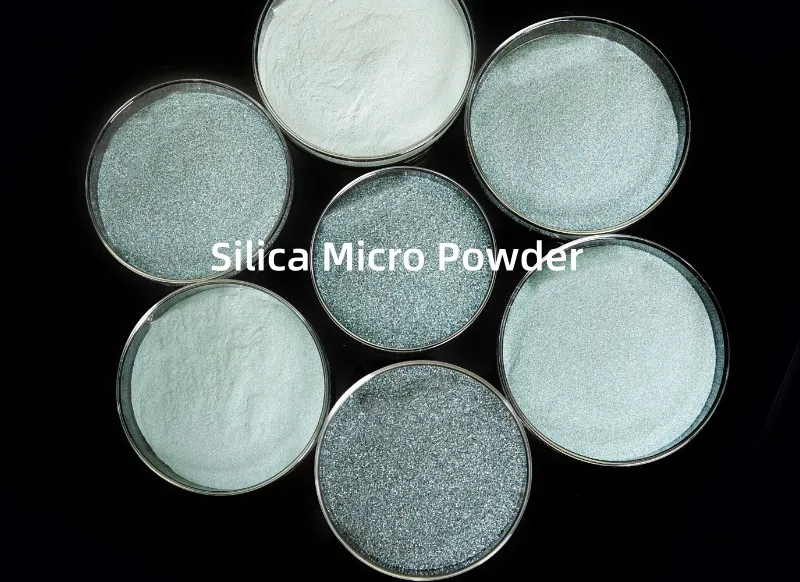
Quartz is one of the most abundant, durable, and chemically inert minerals on Earth. Rated at a 7 on the Mohs hardness scale, it poses a significant challenge when it comes to industrial processing. However, when reduced to a fine powder (often referred to as silica flour or quartz powder), it becomes an invaluable raw material across global industries. From premium glass manufacturing and ceramics to electronics, semiconductors, and artificial quartz countertops, the demand for ultra-fine high-purity quartz powder is higher than ever.
Grinding a mineral as hard as quartz down to a micron or sub-micron level requires more than just brute force. It demands a deep understanding of material characteristics, a carefully engineered processing line, and the right machinery to minimize contamination.
Whether you are setting up an industrial mineral processing plant or looking to optimize an existing production line, this comprehensive, step-by-step guide will walk you through the entire process of grinding quartz into high-quality fine powder.
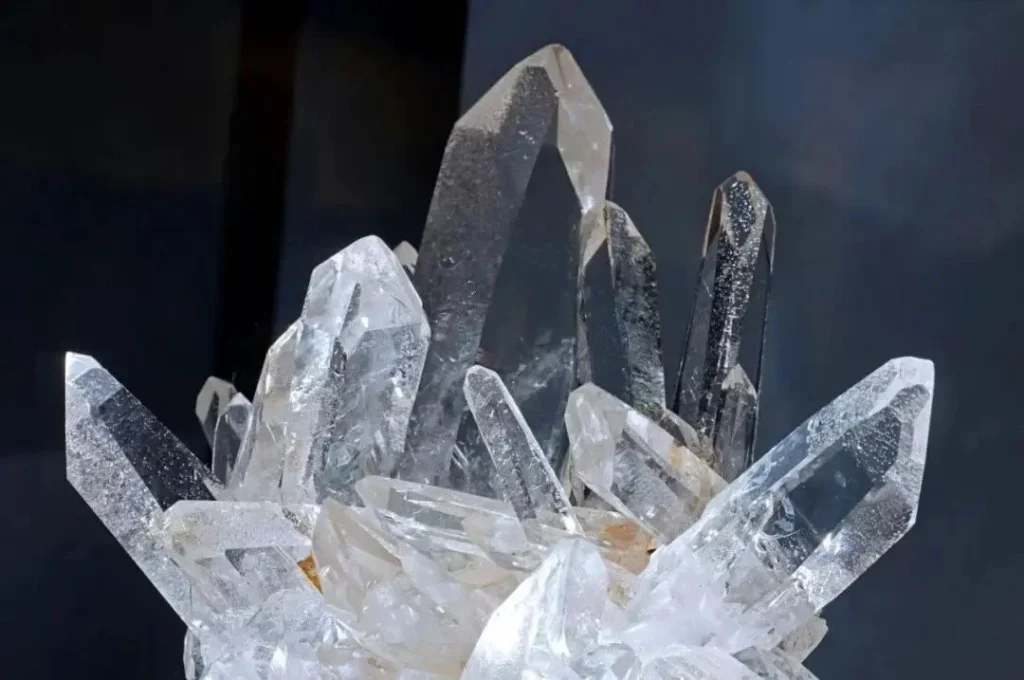
1. Understanding the Challenges of Quartz Grinding
Before turning on any machinery, it is crucial to understand the inherent nature of quartz and the obstacles you will face during the reduction process.
The Hardness Factor
Because quartz sits at 7 on the Mohs scale, it is highly abrasive. This means that any mechanical parts coming into direct contact with the mineral—such as hammers, rollers, liners, and grinding media—will experience rapid wear and tear. Choosing the wrong equipment leads to skyrocketing maintenance costs and frequent production shutdowns.
The Contamination Risk
For many high-end applications, particularly in the electronics and optical glass industries, the purity of the quartz powder must exceed 99.9%. Standard steel grinding media and liners will wear down and introduce iron contamination into the powder. Iron discoloration ruins the optical clarity of glass and alters the chemical properties required for electronics. Therefore, iron-free grinding environments are a major priority.
Moisture Control
Quartz raw materials often contain surface moisture from mining, washing, or outdoor storage. If the moisture content exceeds 1% to 2%, the fine powder will begin to cake, stick to the grinding walls, and clog the classifier screens, drastically reducing processing efficiency.
2. Phase 1: Material Preparation and Pre-Treatment
You cannot feed massive, raw quartz rocks directly into a fine grinding mill. The process must be gradual, scaling down the material size step by step.
[Raw Quartz Blocks] ➔ [Washing/Sorting] ➔ [Primary Crushing] ➔ [Secondary Crushing] ➔ [Drying]
Step 1: Sorting and Washing
The quality of your final powder depends heavily on the quality of your raw feed.
- Manual or Optical Sorting: Remove obvious impurities, host rocks, and visible iron veins.
- High-Pressure Washing: Wash away clay, dirt, and organic matter adhering to the quartz surface. Clean raw quartz ensures that the final product maintains its brilliant white color and chemical purity.
Step 2: Primary and Secondary Crushing
To prepare the quartz for the grinding mill, it must first be crushed down to a manageable size, typically under 20mm or 10mm, depending on the mill specification.
- Primary Crushing (Jaw Crusher): Large quartz rocks are fed into a jaw crusher, which uses compressive force to break the rocks down to a size of about 50mm–100mm.
- Secondary Crushing (Cone Crusher or Fine Jaw Crusher): Because quartz is so hard, a cone crusher is highly recommended for the secondary stage. It utilizes an eccentric rotating mantle to crush the quartz against a fixed bowl liner, efficiently reducing the rocks to a uniform aggregate size of 0–15mm.
- Note on Contamination: To protect material purity during crushing, consider using high-manganese steel liners or jaw plates, which offer superior wear resistance.
Step 3: Drying the Raw Aggregate
If your quartz aggregate has been washed or exposed to rain, it must pass through an industrial rotary dryer. The goal is to bring the moisture content down below 0.5%. Dry quartz flows smoothly, shatters more easily under impact, and prevents the fine grinding media from binding.
3. Phase 2: Choosing the Right Fine Grinding Mill
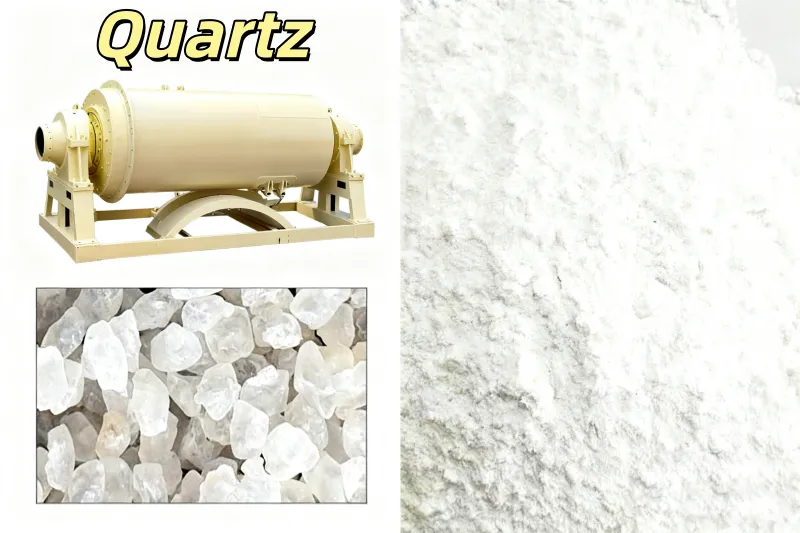
Selecting the correct milling technology is the most critical decision in your processing line. The choice depends on your target output size (mesh), required capacity, and budget.
| Mill Type | Target Fineness (Mesh) | Best Suited For | Advantages |
| Raymond Roller Mill | 80 – 400 mesh | Standard industrial fillers, ceramics, construction chemicals. | Low initial investment, easy to operate, mature technology. |
| Ball Mill + Air Classifier | 200 – 2500 mesh | High-capacity, multi-grade production, high-purity applications. | Highly stable, continuous operation, easily lined with non-metallic materials. |
| Ultra-Fine Vertical Roller Mill (VRM) | 400 – 3000 mesh | Large-scale, ultra-fine industrial powder production. | Energy-efficient, high throughput, precise particle size distribution. |
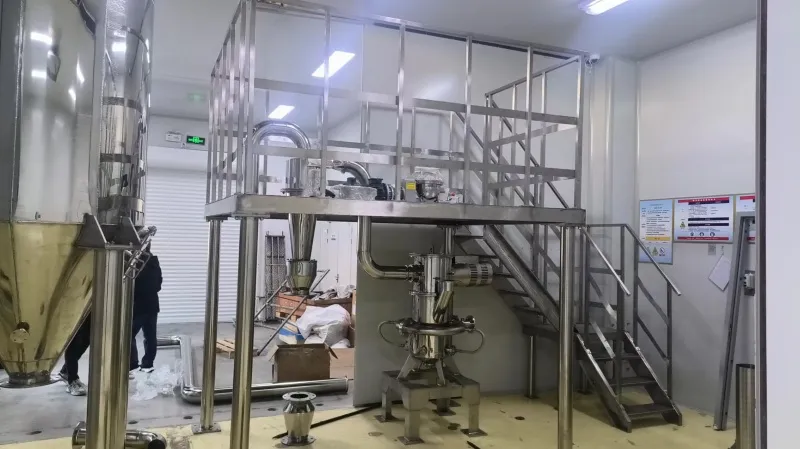
| Fluidized Bed Jet Mill | Up to 5000 mesh | Ultra-pure semiconductors, electronics, and pharmaceuticals. | Zero mechanical contamination, achieves extreme fineness through particle-to-particle collision. |
4. Phase 3: The Step-by-Step Grinding Process
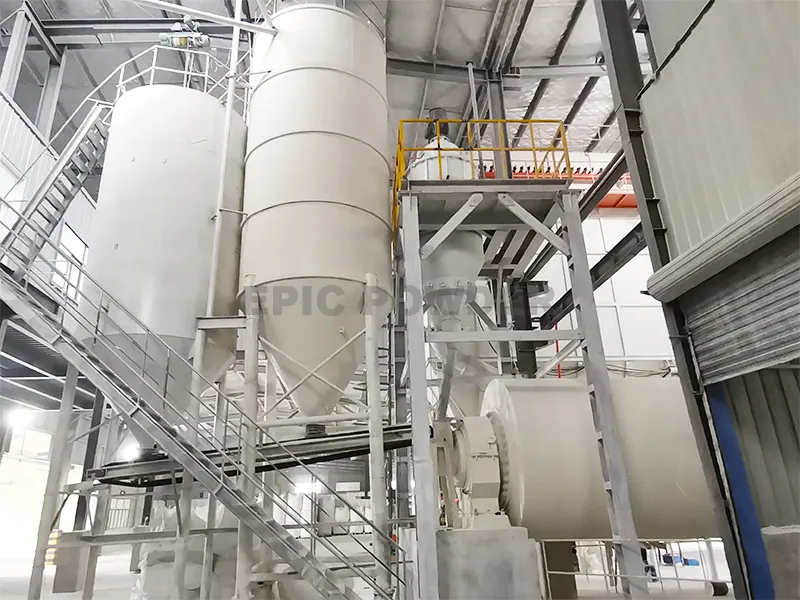
For high-capacity, high-purity industrial setups, the Ball Mill connected with an Air Classifier system remains the gold standard. Let us look at how this setup operates step-by-step.
[Dried Aggregate] ➔ [Silica/Alumina Lined Ball Mill] ➔ [Bucket Elevator] ➔ [Air Classifier]
                                                               ⬇             ⬇
                                                       (Oversize)       (Finished Fine Powder)
                                                               ⬇             ⬇
                                                    [Return to Mill]    [Product Silo]
Step 1: Feeding the Mill
The dried quartz aggregate (0–15mm) is transferred via a belt conveyor to a hopper, where a variable-speed vibrating feeder introduces it into the ball mill. Controlled, steady feeding is vital; overfeeding cushions the grinding media, while underfeeding causes the media to smash violently against the liners, accelerating wear.
Step 2: Grinding in an Iron-Free Environment
Inside the rotating ball mill, the quartz is subjected to both impact and attrition forces.
- The Non-Metallic Safeguard: To achieve high purity, the interior of the steel ball mill shell must be lined with high-alumina ceramic bricks or natural silica stone (silex) liners.
- The Grinding Media: Instead of forged steel balls, high-alumina ceramic balls or flint pebbles are used. As the mill rotates, these balls are lifted and dropped, cascading over the quartz aggregate and grinding it down into a fine dust.
Step 3: Material Elevation and Transport
The roughly ground quartz dust exits the discharge end of the ball mill. It is collected and transported upward via a bucket elevator or a pneumatic conveying system to the top of the air classification unit.
Step 4: Air Classification (The Precision Step)
The air classifier is where the magic of particle sizing happens. The quartz dust enters a chamber containing a high-speed classifying wheel.
- The Separation Mechanics: An internal fan creates an upward airflow. Centrifugal force exerted by the rotating wheel pushes coarser particles outward, while aerodynamic drag pulls finer particles through the wheel.
- The Closed-Loop Cycle: Particles that are too coarse (oversize) fail to pass the wheel and drop down through a discharge valve. They are piped back into the feed end of the ball mill for re-grinding. Particles that meet the target fineness (fine powder) pass through the wheel and move on to collection.
Step 5: Dust Collection and Product Gathering
The qualified ultra-fine quartz powder travels via the airflow into a high-efficiency cyclone collector, where the majority of the powder drops out of the air stream into a product hopper. The remaining air passes through a pulse-jet bag filter to capture the finest ambient dust particles, ensuring a clean working environment and zero material waste.
5. Phase 4: Quality Control, Testing, and Packaging
Once the powder is collected, it must undergo rigorous quality control testing before it can be packaged and shipped to end-users.
Particle Size Distribution (PSD) Analysis
Industrial buyers rarely buy powder based on a single mesh size; they require a specific PSD curve. Using a Laser Particle Size Analyzer (such as a Malvern Mastersizer), technicians measure the D50 (median diameter) and D97 (top cut) of the batch.
- For example, if a client requests a 325-mesh powder, your D97 must be under 45 microns (≤ 45μm).
Chemical Purity and Whiteness Testing
- X-ray Fluorescence (XRF): Used to check the exact chemical composition, ensuring the SiO2 content is at the desired percentage and checking that iron (Fe2O3) levels have not spiked during processing.
- Whiteness Meters: Measure the optical reflectivity of the powder. High-grade quartz powder typically requires a whiteness score above 93% to 95%.
Packaging and Storage
Quartz powder absorbs moisture rapidly from the air if left exposed. It should be packaged immediately using automatic packing machines into:
- Multi-layer paper bags (25kg or 50kg) with an inner plastic liner.
- Woven jumbo bulk bags (1 ton or 1.5 tons) designed for moisture protection.
- Store the finished bags on pallets in a dry, well-ventilated, climate-controlled warehouse.
6. Critical Operational Tips for Maximum Efficiency
To keep your quartz grinding plant running profitably, keep these operational best practices in mind:
1. Optimize the Ball-to-Materil Ratio
In a ball mill, your grinding media (balls) should occupy roughly 35% to 45% of the mill’s internal volume. Regularly inspect the media levels, as the ceramic balls wear down over time and need periodic replenishment to maintain optimal grinding kinetic energy.
2. Monitor Classification Fan Speeds
Adjusting the fineness of your quartz powder does not require stopping the mill. Simply adjust the Variable Frequency Drive (VFD) of the air classifier wheel. Increasing the RPM yields a finer powder; decreasing the RPM allows coarser powder to pass through, boosting total output volume.
3. Dust Management and Safety (Silicosis Prevention)
This is the most important operational consideration. Crystalline silica dust is hazardous if inhaled over long periods and can cause silicosis, a serious lung disease.
- Ensure your entire system operates under negative pressure so that dust cannot escape from joints and seams into the factory air.
- Install robust local exhaust ventilation at feeding and packaging stations.
- Enforce the mandatory use of certified respirators (such as N95 or higher) for all plant operators.
Conclusion
Grinding quartz into fine powder is a sophisticated engineering process that requires balancing heavy-duty mechanical force with delicate purity control. By meticulously executing each step—from selecting a high-purity cone crusher, utilizing non-metallic alumina liners in your ball mill, to precisely calibrating your air classifier wheels—you can reliably produce high-grade quartz powder tailored to the strictest industrial specifications.
Invest in quality wear-resistant materials, keep your raw feed bone-dry, prioritize dust safety, and your processing plant will achieve long-term mechanical reliability and strong market competitiveness.

“Thanks for reading. I hope my article helps. Please leave a comment down below. You may also contact Zelda online customer representative for any further inquiries.”
— Posted by Emily Chen