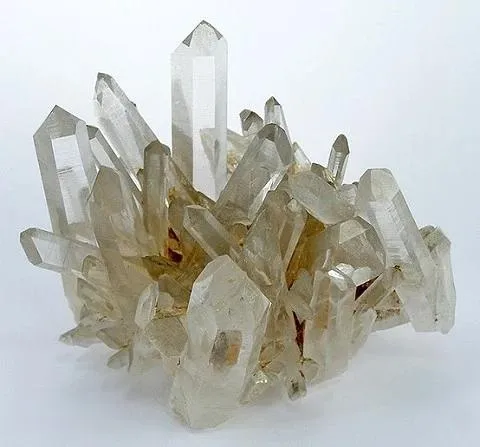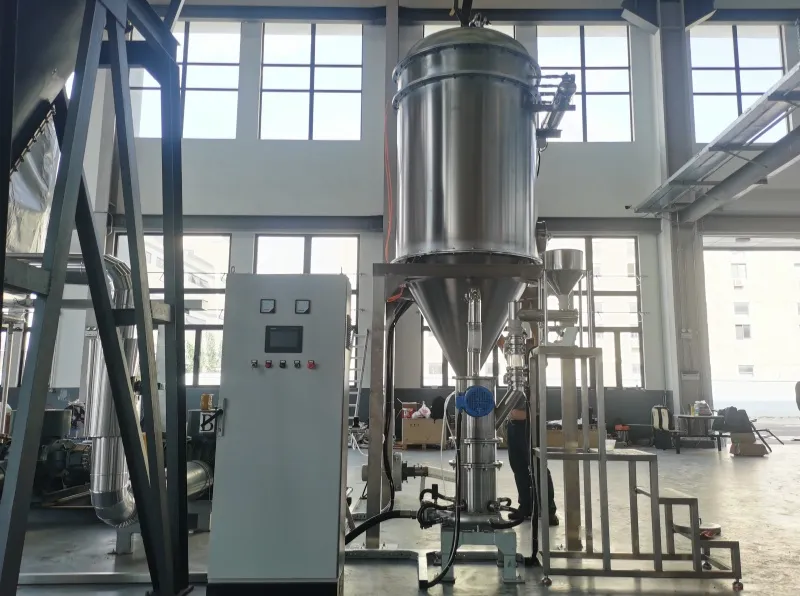
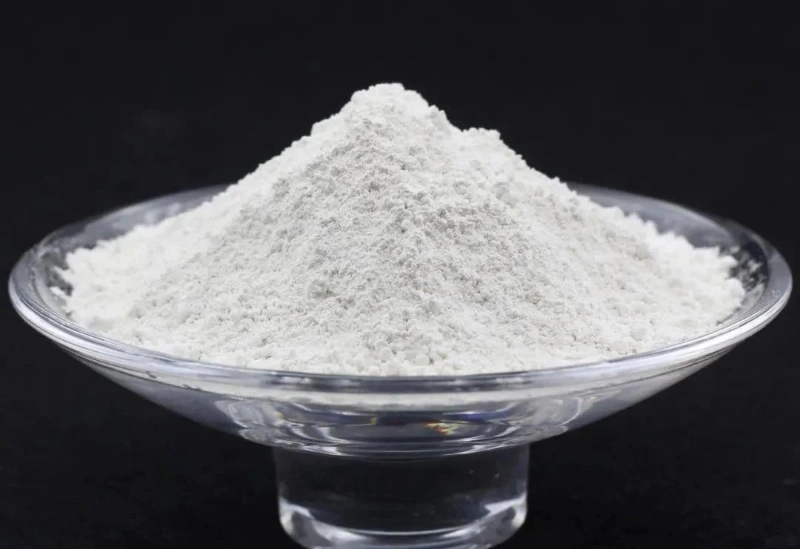
Silica micro powder—also known as ultrafine quartz powder, fused silica powder, or crystalline silica powder—is produced from high-purity quartz through crushing, classification, and purification. The particle size typically ranges from 1–45 μm, with SiO₂ content between 99.5% and 99.99%. Silica micro powder surface modification plays a crucial role in enhancing compatibility and performance in downstream applications.
It is widely used in electronic encapsulation materials, copper-clad laminates (CCL), epoxy molding compounds (EMC), high-temperature ceramics, rubber, coatings, inks, cosmetics, and other industries.
Although silica micro powder naturally exhibits excellent properties—high hardness, strong insulation, high thermal resistance, chemical stability, and low thermal expansion—unmodified silica powder still shows significant drawbacks, which severely limit its performance in high-end applications.
This is exactly why Silica micro powder surface modification is essential.
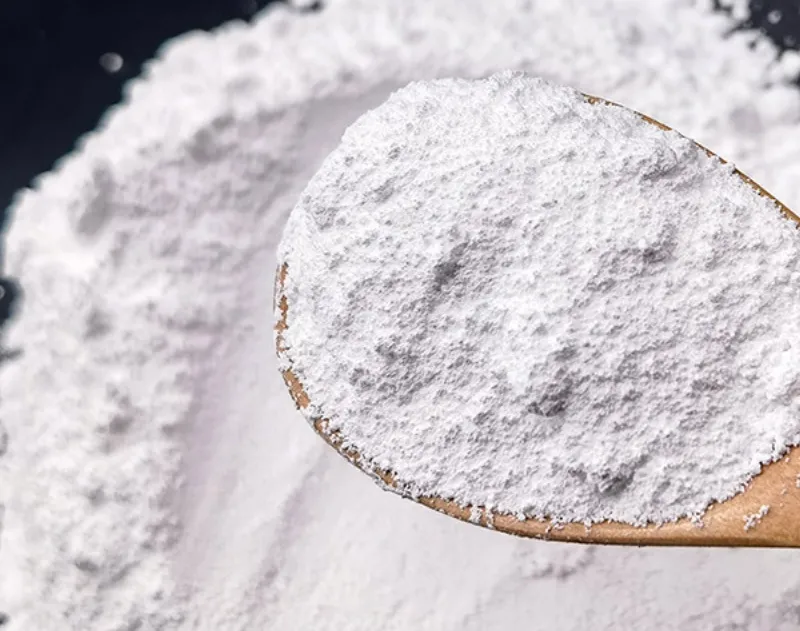
Major Problems of Unmodified Silica Micro Powder
Large number of surface hydroxyl groups (Si–OH), strong polarity, hydrophilic and oleophobic
→ Poor dispersion in organic resins; prone to agglomeration and forming stress concentration points
→ Significantly reduces mechanical properties and processing flowability
High surface energy, strong tendency to agglomerate
→ Filler loading is restricted (typically 50–60 wt%)
→ Viscosity increases sharply; processing becomes difficult or even impossible
Poor compatibility with organic polymers, weak interfacial bonding
→ Reduced impact strength and flexural strength
→ Long-term usage may result in debonding, delamination, and moisture absorption
Strong hygroscopicity
→ In electronic encapsulation (EMC), absorbed moisture can cause the “popcorn effect”, leading to chip cracking
→ Impairs insulation and long-term reliability
High friction coefficient and abrasion value
→ Causes severe wear on screws, molds, and dies during plastic or rubber processing
→ Shortens equipment lifetime
Acidic or alkaline pH (depending on the production process)
→ May react adversely with certain resin systems
→ Can affect curing and storage stability
Benefits of Modification — Before vs. After Comparison
| Item | Unmodified Silica Powder | Modified Silica Powder (Silane-treated) |
|---|---|---|
| Surface property | Hydrophilic | Hydrophobic |
| Dispersion in epoxy resin | Severe agglomeration | Uniform dispersion |
| System viscosity (same loading) | Extremely high | Greatly reduced (↓40%–70%) |
| Maximum filler loading | 50%–60% | 80%–90% (angular silica: >92%) |
| Oil absorption | 30–50 mL/100g | 18–25 mL/100g |
| Mechanical strength (impact, flexural) | Poor | Significantly improved |
| Moisture absorption | 0.3%–0.5% | ≤0.1% |
| Abrasion value | High | Greatly reduced |
| Long-term stability | Moisture-sensitive | Excellent |
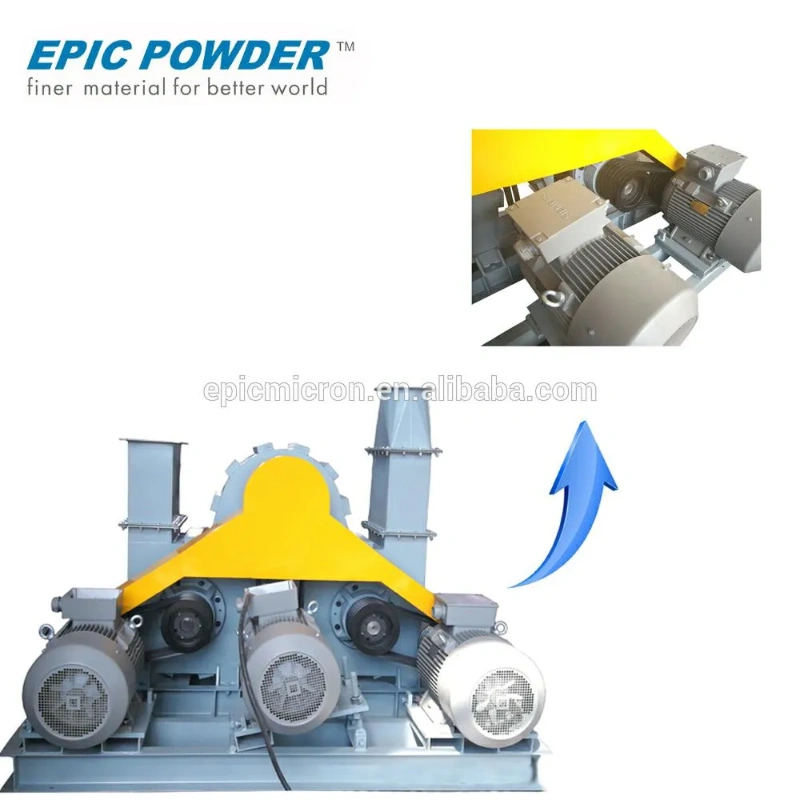
Application Fields Where Modification Is Strictly Required
Epoxy Molding Compounds (EMC) for Semiconductor Packaging
- Filler loading ≥88%
- Moisture absorption <0.1%
- Ultra-low thermal expansion required
→ Surface modification is the only solution
High-Thermal-Conductivity Copper-Clad Laminates (CCL)
- Filler loading >85%
- Extremely low dielectric constant and dielectric loss
→ Must use hydrophobic, silane-treated silica powder
5G High-Frequency, High-Speed PCB Materials
- Very strict Df requirement (<0.0015)
→ Requires high-purity, deeply modified spherical fused silica
High-End Thermal Interface Materials (TIM)
- Ultra-high filler content (>95 wt%)
- Must maintain flowability and dispensability
→ Degree of modification directly determines thermal conductivity limits
Cosmetic-Grade Silica Powder
- Requires excellent skin feel, long-lasting hydrophobicity, sweat/water resistance
→ Must adopt amino acid or polyether silane modification
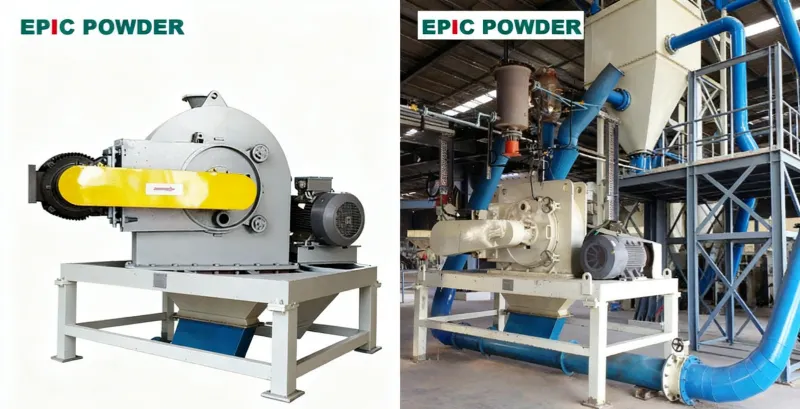
Common Modification Methods
Dry Surface Modification (most widely used)
- Silane coupling agents (KH-550, KH-560, KH-570, etc.)
- Applied through high-speed mixers or continuous surface modification machines
Wet Surface Modification
- Silica slurry + silane hydrolysis solution
- Suitable for ultrafine or highly pure products
Specialized Modifiers
- Titanate
- Aluminate
- Stearic acid
- Polyethylene glycol
- Fluorosilane
Used to optimize compatibility with specific resin systems
Conclusion
Surface modification of silica micro powder is necessary because natural silica cannot effectively integrate into organic polymer matrices. Its surface must be modified to eliminate hydrophilicity, enhance compatibility with organic materials, and strengthen interfacial adhesion. Only then can silica micropowder deliver its full value and performance in applications such as electronic encapsulation, aerospace, and fine chemicals. Modification is not merely an “added enhancement”; it is a critical technology that determines product reliability and service life.

“Thanks for reading. I hope my article helps. Please leave a comment down below. You may also contact Zelda online customer representative for any further inquiries.”
— Posted by Emily Chen