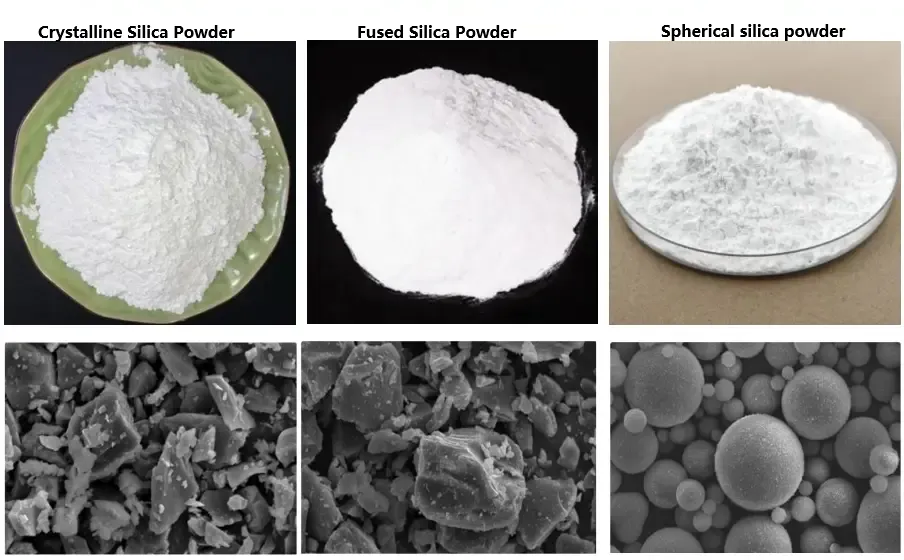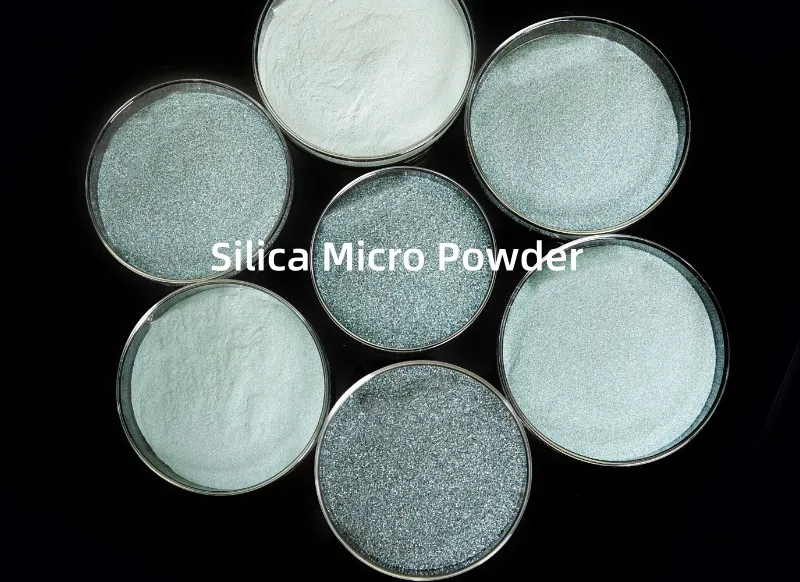
With the rapid expansion of photovoltaics (solar silicon wafers), semiconductors, optical fibers, high-end ceramics, electronic packaging, and advanced coatings, the requirements for quartz powder have escalated dramatically. These applications demand ultra-fine particle sizes. In many cases, D50 must be below 5 μm or even reach the sub-micron range. They also require an extremely narrow particle size distribution. Minimal impurities are essential, especially iron, aluminum, and other metals. Excellent whiteness and strong chemical stability are equally important. Traditional grinding methods struggle to meet these stringent standards. Therefore, the choice of milling technology has become a decisive factor. It directly affects product quality and market competitiveness. For manufacturers targeting premium markets, adopting a jet mill or ball mill for high-quality quartz powder has become a key pathway to achieving these demanding specifications.
Overview of the Two Technologies
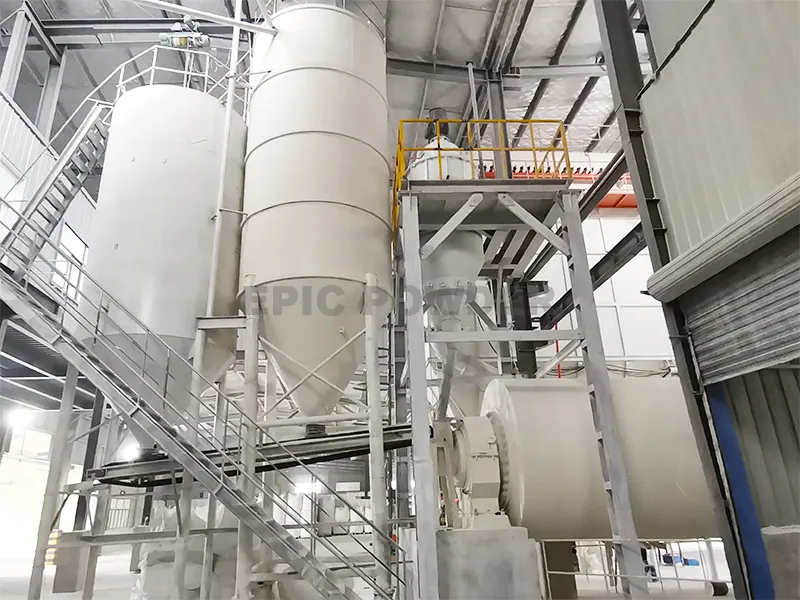
Ball mills and jet mills represent two fundamentally different approaches to powder grinding.
- Ball Mill (including planetary, horizontal, or ceramic ball mills): This is a mechanical grinding method where quartz particles are crushed through impact, friction, and shear forces generated by rotating grinding media (balls, rods, or cylinders) inside a drum. It is a mature, low-cost technology widely used for medium-fine grinding.
- Jet Mill :A fluid energy grinding method. High-pressure compressed air (or nitrogen/steam) forms supersonic jets that accelerate particles, causing them to collide violently in a fluidized state. No grinding media are involved in the collision process, which makes this type of jet mill for high-quality quartz powder especially suitable for contamination-sensitive applications.
Key Comparison: Why Jet Mill Wins for High-End Quartz
Here is a side-by-side comparison highlighting why jet milling outperforms ball milling for producing high-quality quartz flour:
- Purity & Contamination Risk Ball mills: Grinding media (even when using ceramic or agate balls) inevitably cause wear, introducing trace metals (Fe, Al, Zr, etc.) into the product. For high-purity quartz (≥99.99% SiO₂), this contamination often requires additional complex purification steps. Jet mills: Particle-to-particle autogenous collision with no media contact → near-zero contamination, making it the preferred choice for semiconductor-grade and photovoltaic-grade quartz.
- Particle Size & Distribution Ball mills: Typically achieve D50 of 5–20 μm; further grinding leads to agglomeration and wide distribution. Jet mills: Easily reach D50 1–5 μm (or even <1 μm) with very narrow and steep particle size distribution (sharp cut-off), ideal for high-end applications requiring precise control.
- Temperature Control Ball mills: Prolonged mechanical action generates significant heat, potentially causing crystal structure changes or activation in sensitive quartz. Jet mills: Gas expansion in nozzles provides strong cooling effect, maintaining low grinding temperatures — perfect for heat-sensitive or high-purity materials.
- Energy Efficiency & Wear Ball mills: High energy consumption per ton, high media and liner wear, frequent maintenance. Jet mills: Although initial investment is higher, they offer better energy utilization for ultra-fine grinding and virtually no wear parts in the grinding chamber.
- Cleaning & Batch Flexibility Jet mills: Simple structure, easy to clean (no media to remove), suitable for small-batch, high-value products with frequent product changes. In summary, for high-end quartz flour, a jet mill for high-quality quartz powder clearly outperforms ball milling in quality, consistency, and purity.
In summary, for ordinary construction-grade or filler quartz powder, ball mills remain economical. But for high-end quartz flour (solar, semiconductor, optical), jet milling is clearly superior.
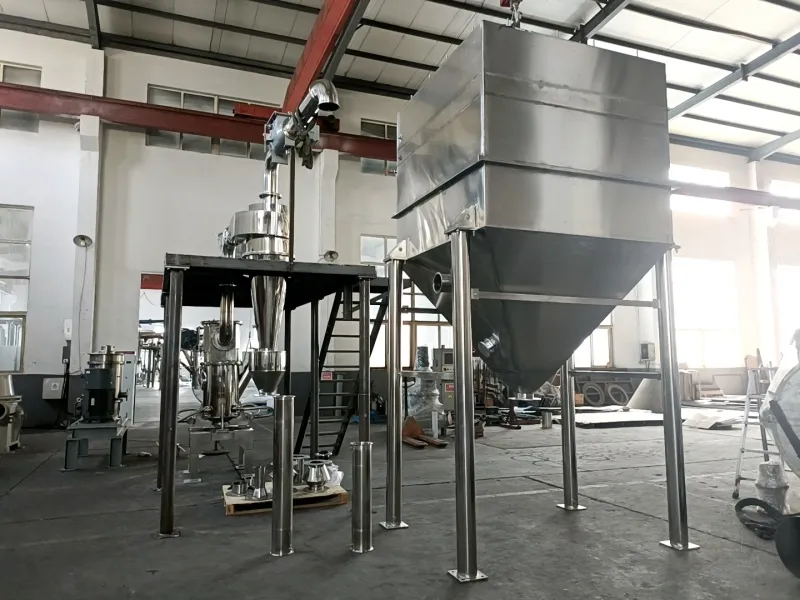
Technical Secret: Fluidized Bed Technology in Quartz Processing
The core advantage of modern jet mills lies in fluidized bed opposed jet mill design (e.g., Hosokawa Alpine AFG or similar systems). In this configuration:
- Multiple high-speed jets are arranged oppositely or tangentially at the bottom.
- Materials are fluidized and repeatedly circulated in the grinding chamber.
- Particles collide mainly with each other at high velocity, achieving efficient breakage.
- An integrated high-efficiency classifier (often turbine-type) returns coarse particles for re-grinding while discharging qualified fine powder.
This technology ensures:
- Extremely low contamination (autogenous grinding)
- Narrow PSD with minimal oversize/undersize
- High grinding efficiency for hard, abrasive materials like quartz
- Excellent control over fineness (adjustable via air pressure, feed rate, and classifier speed)
These features make fluidized bed jet mills the industry standard for processing high-purity quartz sand into ultra-fine, contamination-free quartz flour.
Application Focus: When Should You Choose a Jet Mill?
Choose jet milling when your quartz flour needs to meet one or more of the following criteria:
- Purity ≥ 99.99% SiO₂ with iron content < 5–10 ppm
- D50 ≤ 3–5 μm with narrow distribution (span < 1.5)
- Used in photovoltaic crucible quartz, semiconductor wafer polishing, optical glass, high-frequency circuit substrates, or electronic-grade silica fillers
- Strict limits on metallic impurities and discoloration
- Small-to-medium batch sizes with high added value
If your requirements are for coarser powder (D50 > 10 μm), lower purity demands, or very large-scale production with cost as the primary concern, a high-purity ceramic ball mill may still be more economical.
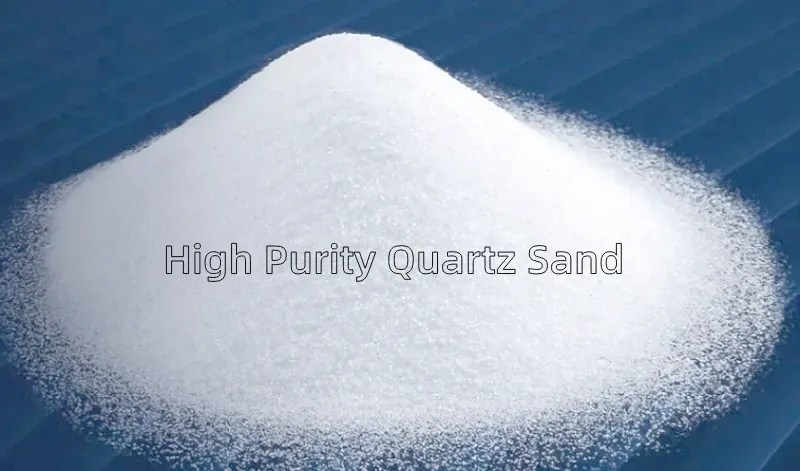
Related Questions (FAQ)
Q1: Can ball mills achieve high purity quartz through special linings and media?
A: Yes, using 99.9% alumina or agate linings/media can greatly reduce contamination, but trace impurities are still introduced (typically higher than jet milling). Additional acid leaching or magnetic separation is often required afterward, increasing cost and process complexity. Jet milling avoids these extra steps from the source.
Q2: Is jet milling too energy-intensive and costly for quartz?
A: Initial equipment investment is higher, and compressed air consumption is significant. However, for high-value quartz flour, the dramatically improved product quality, reduced purification steps, higher yield of premium product, and lower rejection rate usually make jet milling more cost-effective overall.
Cases: Real-World Success
- Leading photovoltaic crucible quartz manufacturer : Upgraded from ceramic ball mill to fluidized bed jet mill. Iron content dropped from ~15 ppm to <3 ppm, particle size distribution became significantly narrower, and product qualification rate for high-end solar-grade quartz increased by over 30%, greatly enhancing market competitiveness.
- Semiconductor-grade silica filler producer (Asia): Adopted opposed jet mill for D97 < 5 μm ultra-fine quartz powder. Due to zero media contamination, the need for downstream chemical purification was minimized, shortening the process flow and reducing production cost by approximately 20–25% while meeting strict electronic-grade purity requirements.
- High-end optical quartz powder project: A company producing quartz for precision optical components switched to jet milling. The product achieved sub-micron fineness with excellent whiteness (L* > 95) and no black spots caused by metal contamination, successfully entering the supply chain of international optical giants.
Conclusion
In the pursuit of high-quality quartz flour, jet milling has become the preferred solution. Fluidized bed opposed jet mill technology is now widely regarded as irreplaceable for top-tier applications. Its advantages include superior purity control and precise particle size regulation. It also offers excellent temperature management and minimal contamination. These strengths make jet milling far superior to traditional ball mills. This is especially true for producing high-end quartz products. The upfront investment is higher. However, the long-term benefits clearly outweigh the cost. Product quality improves. Process flows become simpler. Market premium increases. For companies targeting photovoltaic, semiconductor, and optical high-end markets, investing in jet milling technology is not merely an equipment upgrade. It is a strategic decision for long-term competitiveness.

“Thanks for reading. I hope my article helps. Please leave a comment down below. You may also contact Zelda online customer representative for any further inquiries.”
— Posted by Emily Chen