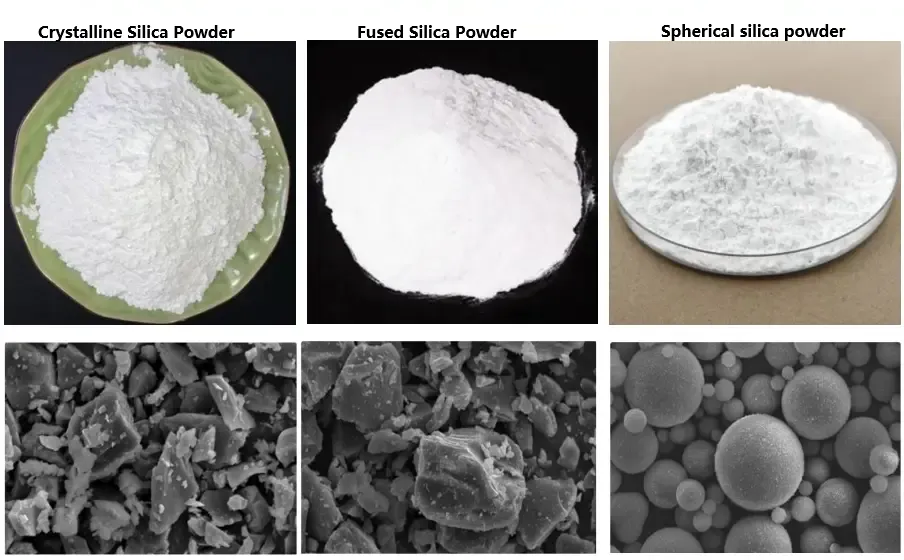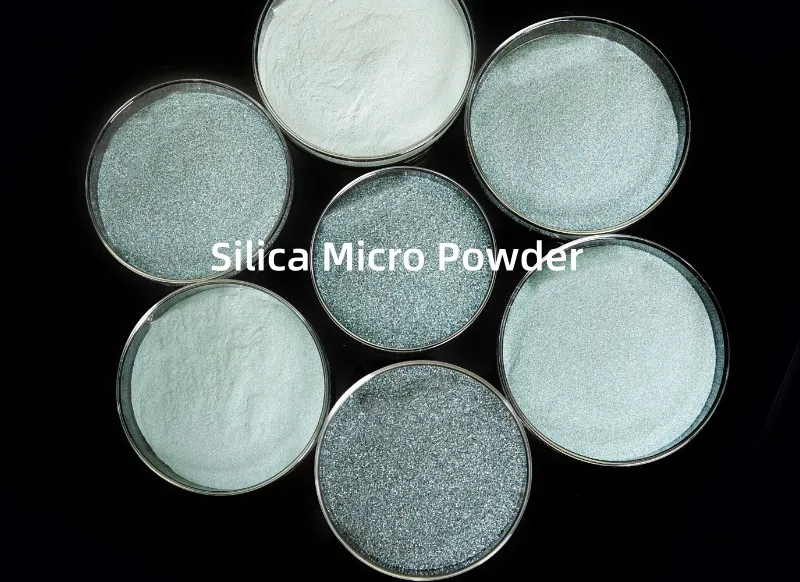
Are you facing headaches with particle agglomeration and guaranteeing the purity of ultrafine silica powders? When you’re grinding silica down to the nano-scale, challenges pile up fast—agglomeration skyrockets, and equipment wears down quickly due to silica’s Mohs hardness of 7. But mastering this process is crucial for advanced applications like electronic packaging (EMC), high-performance rubber, and semiconductor polishing. In this post, we’ll break down why “the finer the powder, the greater the clumping” is more than just a saying, and reveal how a cutting-edge “Three-in-One” approach—combining physical grinding, chemical modification, and material engineering—revolutionizes the ultrafine grinding of silica. Ready to solve silica’s toughest micronization puzzles? Let’s dive in!
The Strategic Role of Silica in Industry
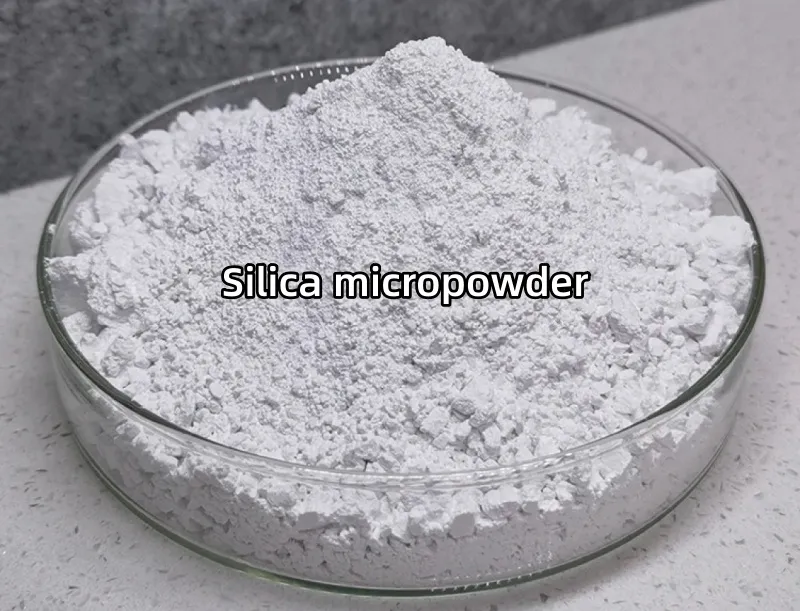
Silica plays a pivotal role across various high-tech and industrial sectors due to its unique properties and versatility. Its ultrafine grinding and processing are critical to unlocking its full potential in cutting-edge applications.
Critical Applications in Electronic Packaging (EMC)
In electronic manufacturing, silica is indispensable for Electronic Molding Compounds (EMC). Ultrafine silica particles enhance thermal management, electrical insulation, and mechanical strength in EMCs. Precise control of particle size through ultrafine grinding ensures optimal dispersion and performance, minimizing defects in electronic packaging.
Use in Matting Coatings
Silica’s fine particles are vital in matting coatings, providing smooth, non-glossy finishes. The ultrafine grinding of silica allows coatings to exhibit excellent anti-reflective properties and durability. This leads to improved aesthetic appeal and surface functionality in automotive and decorative paints.
Applications in High-Performance Rubber
In high-performance rubber formulations, silica enhances tensile strength, abrasion resistance, and elasticity. Its ultrafine particle size, achieved through advanced grinding techniques, ensures uniform distribution within the rubber matrix. This improves durability and performance in tires, seals, and industrial rubber products.
Role in Semiconductor Polishing
Silica is essential in semiconductor wafer polishing due to its chemical inertness and fine particle size. Ultrafine silica abrasives enable precision planarization, critical for achieving smooth, defect-free surfaces on semiconductor wafers. Maintaining high purity and controlling particle agglomeration during ultrafine grinding directly impacts polishing efficiency and wafer quality.
By addressing the challenges of ultrafine grinding of silica, industries can fully leverage its strategic benefits, driving innovation and superior product performance across diverse applications.
The Challenges of Micronization
Impact of sub-micron and nano-level particle sizes
When silica particles are ground down to sub-micron or even nano-scale sizes, their behavior changes drastically. Smaller particles mean larger surface areas relative to their volume, which boosts reactivity but also creates processing headaches. Achieving consistent ultrafine grinding of silica demands tight control—otherwise, you risk losing product performance due to uneven particle distribution or unintended chemical changes.
Increase in specific surface area and agglomeration
As the particle size shrinks, the specific surface area increases sharply. This is a double-edged sword: while it enhances functional properties like dispersion and bonding, it fuels agglomeration. Tiny particles tend to clump together because of surface forces, making it tough to maintain uniformity and flowability. Effective strategies to tackle this include surface modification and improved dispersion methods, as detailed in advanced silica powder processing techniques.
Equipment wear due to silica’s hardness
Silica’s Mohs hardness of 7 makes ultrafine grinding a real gear grinder—literally. The abrasive nature of silica accelerates wear and tear on milling equipment, raising maintenance costs and downtime. Choosing specialized grinding media and wear-resistant components helps mitigate these issues, enabling more reliable ultrafine grinding processes essential for high-quality silica applications.
For a deeper dive into silica surface modification to reduce agglomeration and enhance product quality, exploring why silica micro powder ultrafine quartz powder needs surface modification is highly recommended.
Core Objective
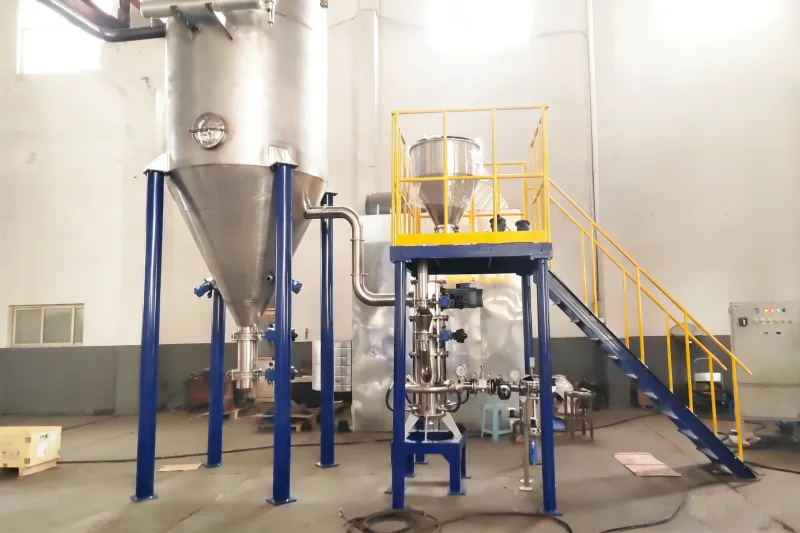
Introducing the “Three-in-One” solution
To tackle the issues of particle agglomeration and purity assurance in ultrafine grinding of silica, a comprehensive “Three-in-One” approach is key. This strategy combines physical grinding, chemical modification, and material engineering to deliver high-quality silica powder with minimal clumping and excellent purity—perfect for demanding industrial uses.
Physical Grinding
Physical grinding focuses on refining silica down to ultrafine sizes without causing excessive agglomeration. Using advanced dry grinding technologies, it’s possible to achieve sub-micron particles consistently while controlling heat and contamination. This stage is crucial to prevent silica’s hardness from causing equipment wear and ensures the particle size distribution stays tight. For more on efficient grinding methods, exploring innovative ultrafine powder dry grinding techniques can be helpful.
Chemical Modification
Chemical modification steps in to reduce the natural tendency of ultrafine silica particles to clump together due to high surface energy. Surface treatments alter particle chemistry and improve dispersion characteristics, which also aids in stabilizing particle purity. This process is essential to maintaining silica’s functionality in sensitive applications like electronics and coatings. Check out practical approaches in surface modification of silica powders to see how chemistry enhances ultrafine particles.
Material Engineering
Material engineering addresses the entire value chain—from feedstock selection to optimizing milling media and process parameters—to ensure that both particle size and purity meet industrial standards. By engineering the process materials and environment, it’s possible to minimize contamination and wear while maximizing throughput. This holistic view helps bridge the gap between lab-scale success and full production.
Combining these three aspects leads to ultrafine, high-purity silica powders that perform reliably in critical sectors such as electronic packaging, coatings, and semiconductor polishing—all without the usual headaches caused by agglomeration or impurity.
The Agglomeration Dilemma
Relationship between finer powders and greater clumping
When silica undergoes ultrafine grinding, the particles become incredibly small, often reaching sub-micron or nano sizes. While this size reduction improves the material’s performance, it also leads to a common issue: agglomeration. The finer the powders, the greater their surface energy and tendency to stick together, causing clumping.
This clumping happens because tiny silica particles have a high specific surface area, which increases van der Waals forces and electrostatic attraction between particles. As a result, ultrafine silica powder can form loose or hard agglomerates, making uniform dispersion challenging in applications.
Managing this agglomeration dilemma is key to preserving the desired qualities of ultrafine silica. Strategies often involve combining optimized physical grinding methods with chemical modification and material engineering to reduce particle bonding forces. For insights into advanced milling techniques minimizing agglomeration, check out the detailed guide on the ultrafine grinding of silica micropowder.
By controlling agglomeration effectively, we ensure that the ultrafine silica’s enhanced properties are fully exploited without compromising purity or processing consistency.
The Purity Assurance Challenge
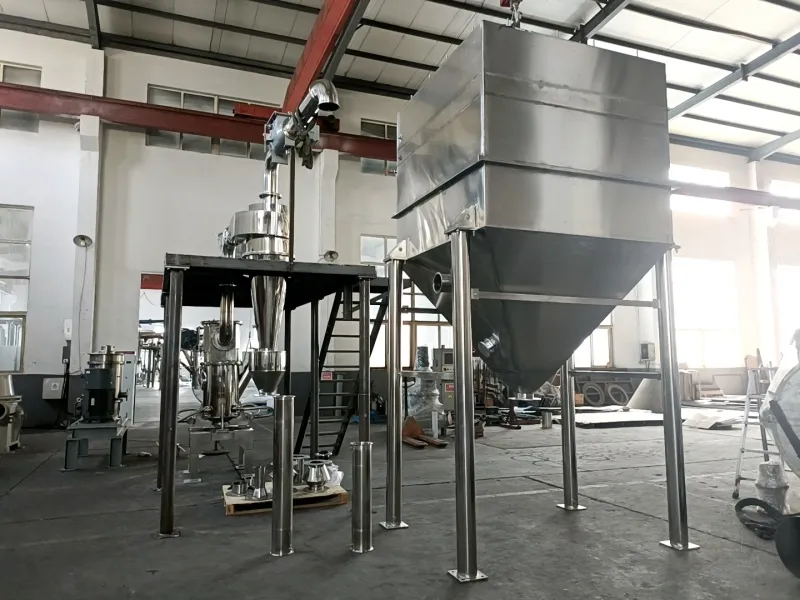
Overcoming difficulties posed by Mohs Hardness 7 silica
Ensuring high purity in ultrafine grinding of silica is no small feat, especially because silica’s Mohs hardness of 7 makes equipment wear a persistent issue. This hardness means abrasive wear can contaminate the powder, risking product quality. To tackle this, specialized grinding media and wear-resistant liners are essential for minimizing contamination during milling.
Another key strategy to maintain purity is strict process control—monitoring each grinding step closely helps reduce impurities introduced from equipment or the environment. For those interested in refining purity further, exploring how quartz ore transforms into ultra-pure quartz provides valuable insight into upstream quality control and source material selection. You can find detailed approaches on this in our guide about the transformation from quartz ore to high-purity quartz.
Maintaining purity also means combining physical grinding with chemical treatments that remove surface contaminants without affecting particle size. This dual approach keeps silica particles clean, preventing agglomeration caused by impurities while preserving the fine particle characteristics needed in industries like semiconductor polishing and electronic packaging.
In short, overcoming the purity assurance challenge in silica ultrafine grinding comes down to using wear-resistant materials, carefully controlling grinding conditions, and integrating chemical purification steps—all tailored to silica’s unique hardness and grinding demands.
High-Performance Experimental Solutions
Transitioning from laboratory experiments to pilot-scale production
Moving from lab-scale ultrafine grinding of silica to pilot-scale production is a critical step. It involves carefully scaling processes while maintaining the delicate balance between particle size reduction and controlling agglomeration. Small changes can affect the purity and quality of the silica powder, so thorough testing is essential to optimize equipment settings and processing conditions.
Key focus areas include:
- Consistent particle size distribution to meet application-specific requirements
- Minimizing contamination through improved equipment materials and process controls
- Controlling agglomeration by tuning grinding parameters and integrating chemical modification where needed
- Ensuring reproducibility when increasing batch sizes without compromising silica purity
Pilot-scale trials allow fine-tuning of the ultrafine grinding process before full industrial adoption. This step enables the identification and resolution of issues like increased equipment wear and challenges in maintaining purity at larger volumes.
For more insights about scaling ultrafine silica powder production and ensuring high purity, see the detailed methods used in ultrafine silica powder production technology. This resource highlights how to adapt lab knowledge effectively to industrial needs while managing particle agglomeration and hardness-related wear.
Industrial Application Case Studies
Real-world examples show how the ultrafine grinding of silica tackles agglomeration and purity challenges in various industries. In electronic packaging, fine silica powders processed through advanced milling techniques ensure consistent particle size and high purity. This quality is crucial for epoxy molding compounds (EMC) to achieve reliability and thermal stability.
In coatings, ultrafine silica produced with controlled grinding and surface modification minimizes clumping, resulting in smooth matting finishes. These powders also improve scratch resistance and matte appearance in automotive and industrial paints.
High-performance rubber applications benefit when silica particles are ground ultrafine and chemically tailored to enhance dispersion and reinforce strength without compromising purity. Through tailored milling and surface engineering, manufacturers maintain consistent silica quality that meets stringent standards.
Semiconductor polishing leverages ultrafine silica with tight particle size distributions, achieved via specialized grinding equipment and purification methods. This ensures high removal rates without damaging delicate substrates.
These case studies demonstrate the importance of combining physical grinding, chemical modification, and material engineering in ultrafine grinding to overcome agglomeration and purity issues. For those interested in equipment options to support these processes, exploring high-efficiency solutions like table roller mills and ultrafine air classifiers can offer significant advantages, as detailed in resources on table roller mills and ultrafine air classifiers.

“Thanks for reading. I hope my article helps. Please leave a comment down below. You may also contact Zelda online customer representative for any further inquiries.”
— Posted by Emily Chen