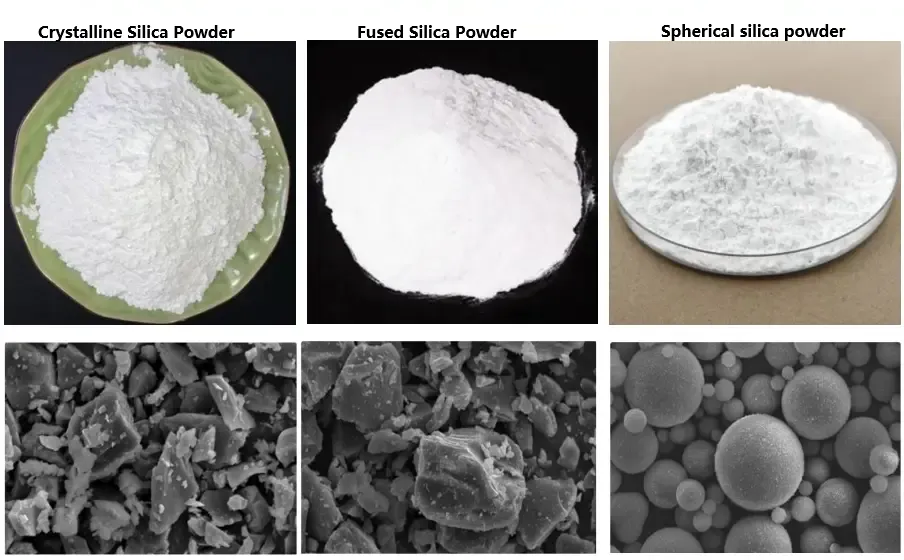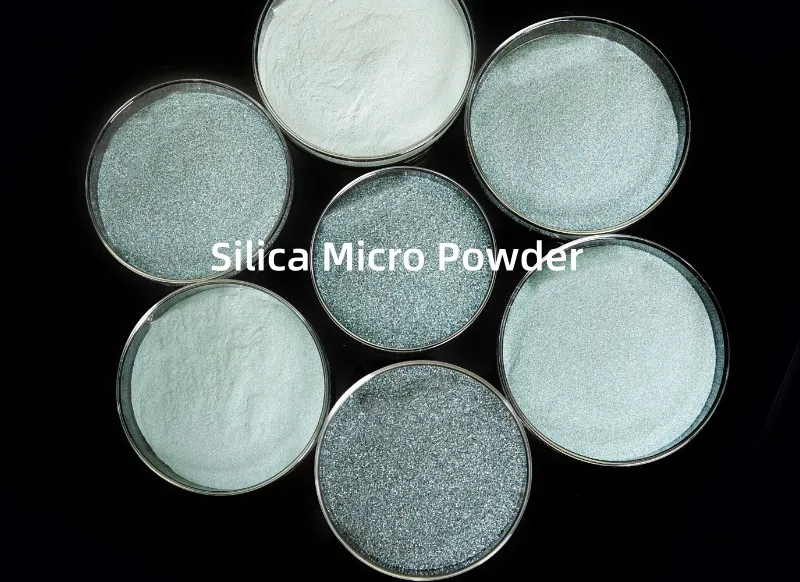
Synthetic silica, also known as precipitated silica or fumed silica, is a high-purity, amorphous form of silicon dioxide widely used in rubber, coatings, adhesives, and specialty chemical industries. Its performance is closely tied to particle size, specific surface area, and structure. Selecting the right jet mill for synthetic silica production is crucial to ensure product quality, energy efficiency, and operational reliability. This article provides a comprehensive guide on how to choose and optimize a jet milling system for synthetic silica.
1. Understanding Synthetic Silica and Jet Mill
1.1 Synthetic Silica Overview
Synthetic silica is produced via chemical processes such as the neutralization of sodium silicate with acid (for precipitated silica) or high-temperature hydrolysis of silicon tetrachloride (for fumed silica). Key characteristics include:
- High purity: Minimal impurities ensure performance in sensitive applications like food additives, pharmaceuticals, and electronics.
- Controlled particle size: Typically ranging from 10 nm to several microns.
- High surface area: BET surface area may reach 200 m²/g or higher for fumed silica.
- Porosity: Influences reinforcement, adsorption, and rheological properties in applications.
These properties are influenced not only by the production chemistry but also by the post-synthesis grinding and classification process, making jet mill a critical step.
1.2 Jet Mill Principles
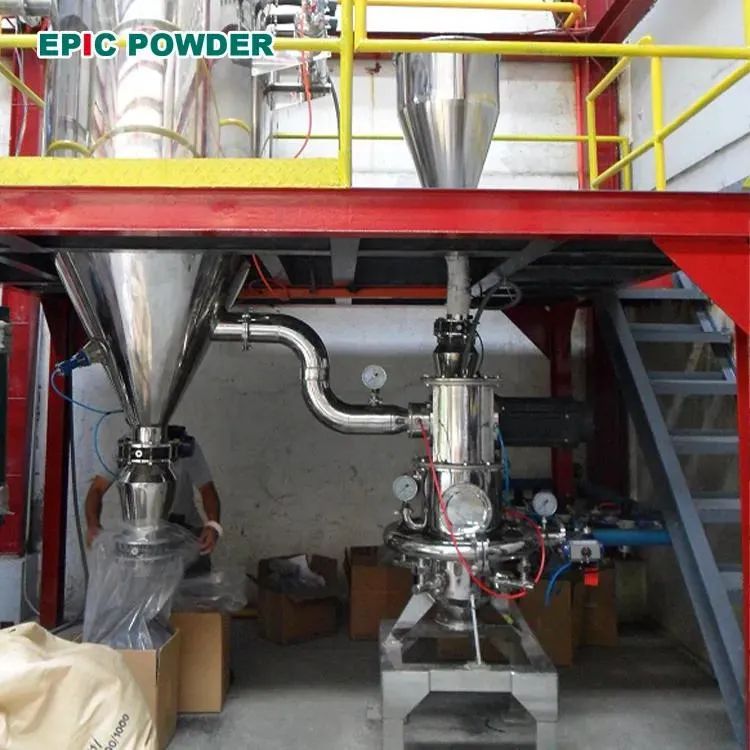
A jet mill is a type of air mill that uses high-velocity compressed air or gas to accelerate particles, causing inter-particle collisions for size reduction. The process occurs without mechanical contact, which minimizes contamination and thermal damage.
Key jet mill characteristics relevant to synthetic silica:
- Dry grinding: Suitable for producing ultrafine silica powders without introducing moisture.
- High purity retention: Ideal for sensitive industrial applications.
- Precise particle size control: Achieved by adjusting feed rate, gas pressure, and classifier speed (if integrated).
- Low thermal impact: Prevents structural or chemical alteration of silica.
2. Key Factors When Choosing a Jet Mill
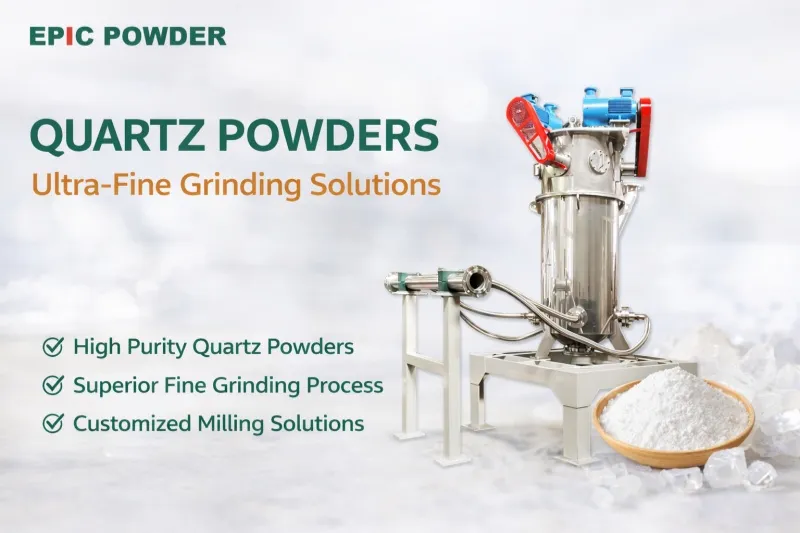
Selecting the right jet mill involves evaluating multiple factors, including feed material properties, target particle size, throughput, energy consumption, and operational requirements.
2.1 Particle Size Requirement
- Ultrafine silica (<1 µm): Requires high-energy jet mills with supersonic speeds and potential classifier integration.
- Fine silica (1–20 µm): Standard jet mills or air-classifier-integrated jet mills may suffice.
- Distribution control: Narrow particle size distributions improve performance in fillers, coatings, and reinforcement applications.
2.2 Feed Material Characteristics
- Moisture content: Synthetic silica is typically dry, but even low moisture can cause agglomeration. Ensure feed moisture is below 1–2% for optimal milling.
- Agglomeration tendency: Fumed silica tends to form soft aggregates. Pre-screening or pre-conditioning may improve milling efficiency.
- Particle hardness and density: These affect collision dynamics inside the jet mill, influencing energy requirements and wear on internal components.
2.3 Production Capacity
- Jet mills are available in lab-scale, pilot-scale, and industrial-scale sizes.
- Evaluate the desired throughput (kg/h or ton/h) and match it with mill size, air consumption, and classifier capacity.
- Consider future scalability to avoid frequent equipment upgrades.
2.4 Energy Efficiency
- High-energy jet mills consume significant compressed air.
- Energy-efficient models may include:
- Optimized nozzle design to reduce pressure loss.
- Integrated air classifiers to minimize over-grinding.
- Recirculation systems to reuse coarse particles.
2.5 Material Purity and Contamination Control
- Jet mills avoid metal contact, reducing contamination risks.
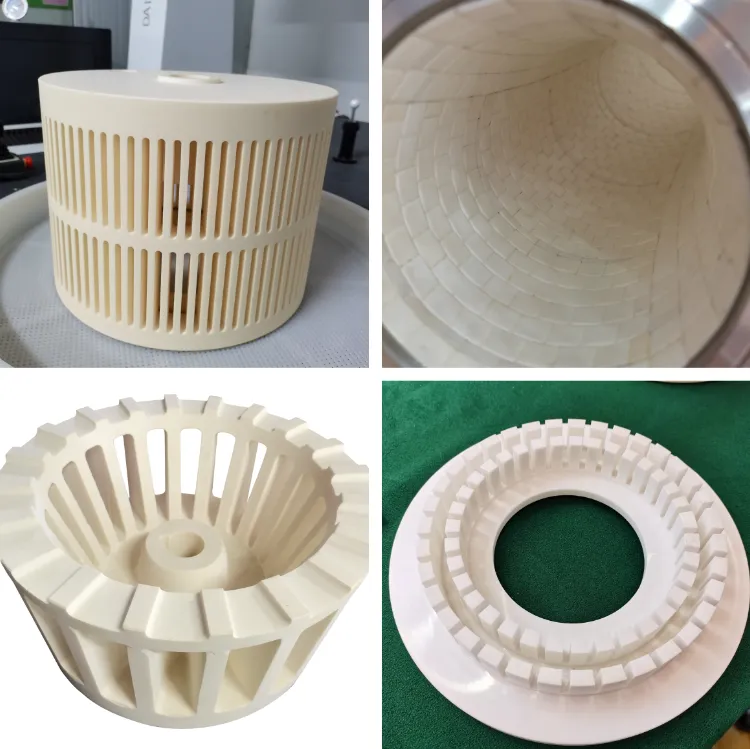
- For extremely sensitive applications (e.g., pharmaceutical-grade silica), all-steel or ceramic-lined mills may be preferred.
- Ensure proper dust collection to prevent airborne silica hazards.
2.6 Operational Reliability and Maintenance
- Nozzle wear: Silica particles are abrasive; choosing durable nozzle materials (tungsten carbide, ceramic) extends service life.
- Ease of cleaning: For frequent material changeover, design features for quick disassembly and cleaning are essential.
- Automation: Sensors for pressure, temperature, and particle size can improve process control and reduce downtime.
3. Step-by-Step Approach to Selecting the Right Jet Mill for Synthetic Silica

Step 1: Define Product Specifications
- Determine target particle size (D50, D90), BET surface area, and acceptable particle size distribution.
- Understand application requirements, e.g., reinforcement in rubber vs. flow improvement in coatings.
Step 2: Analyze Feed Material
- Measure moisture content, particle size, and agglomeration tendency.
- Pre-screen or pre-condition if necessary to reduce oversized particles or clusters.
Step 3: Select Jet Mill Type
- Simple jet mill: Suitable for lab-scale or low-capacity fine powder.
- Air-classifier jet mill: Combines grinding and classification, ideal for narrow particle size distribution and high-capacity production.
- Superfine jet mill: For sub-micron particles, often with supersonic nozzle designs.
Step 4: Optimize Process Parameters
- Adjust air pressure: Higher pressure increases collision energy, reducing particle size.
- Control feed rate: Prevent overloading; ensure adequate residence time for milling.
- Set classifier speed (if applicable): Determines fine particle cut-off and distribution.
- Monitor temperature: Excess heat may alter silica structure or cause agglomeration.
Step 5: Implement Safety and Environmental Controls
- Install dust collection systems to comply with occupational health standards.
- Provide proper ventilation and silica exposure control measures.
Step 6: Pilot Testing
- Run small-scale or pilot tests to fine-tune parameters.
- Evaluate particle size, distribution, surface area, and porosity.
Step 7: Scale-Up and Continuous Monitoring
- Once parameters are optimized, implement industrial-scale operation.
- Continuously monitor particle size distribution, air pressure, and mill performance to ensure consistent product quality.
4. Benefits of Choosing the Right Jet Mill for Synthetic Silica
- Consistent Product Quality: Narrow particle size distribution improves performance in coatings, rubber, and other applications.
- High Purity Retention: Dry milling without mechanical contact minimizes contamination.
- Energy Efficiency: Optimized designs reduce compressed air consumption and over-grinding losses.
- Process Flexibility: Adjustable parameters allow fine-tuning for different grades of synthetic silica.
- Improved Safety: Modern jet mills include dust collection and process automation for operator safety.
5. Practical Observations and Results
Result 1: Particle Size Control
- Using an air-classifier-integrated jet mill, D50 of synthetic silica can reach 0.6–0.8 μm with D90 <1.2 μm.
- Standard jet mills achieve 1–5 μm with slightly wider distributions for general-purpose applications.
Result 2: Surface Area Enhancement
- Controlled ultrafine milling preserves and even increases BET surface area due to particle fracturing without structural collapse.
- Over-milling can reduce porosity and surface area if not monitored.
Result 3: Production Efficiency and Reliability
- Properly matched jet mill and feed system achieve stable throughput (>1 ton/h in industrial setups) with low downtime.
- Use of durable nozzle materials (tungsten carbide or ceramic) extends maintenance cycles to several months.
Conclusion
Choosing the right jet mill for synthetic silica production is a balance of particle size requirements, feed characteristics, production capacity, energy efficiency, and contamination control. For ultrafine, high-purity silica, an air-classifier-integrated jet mill is often the preferred choice, providing precise particle size control and consistent surface properties. Standard jet mills may suffice for coarser grades with moderate performance requirements.
A stepwise approach—defining specifications, analyzing feed, selecting equipment, optimizing process parameters, and pilot testing—ensures consistent, high-quality silica production. By carefully evaluating all factors, manufacturers can achieve high-performance synthetic silica with improved efficiency, product consistency, and operational reliability.

“Thanks for reading. I hope my article helps. Please leave a comment down below. You may also contact Zelda online customer representative for any further inquiries.”
— Posted by Emily Chen