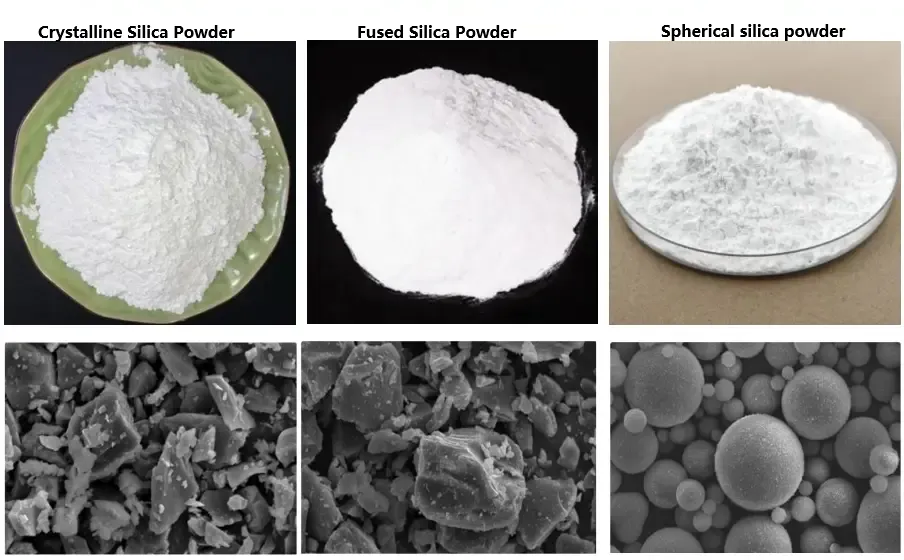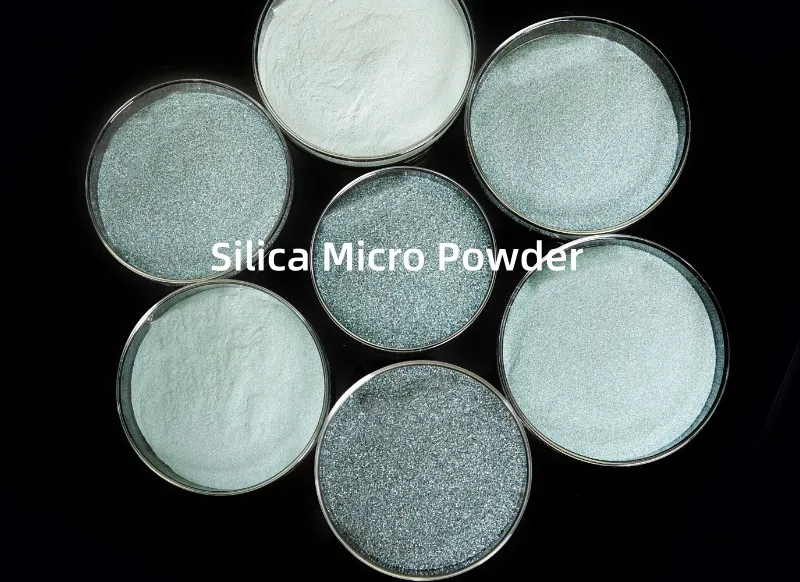
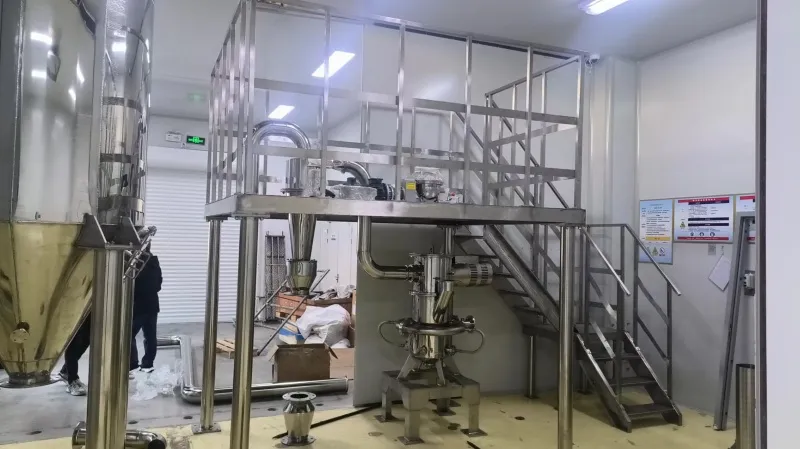
Quartz powder, as a widely used inorganic non-metallic material, is extensively applied in glass manufacturing, electronic materials, ceramics, coatings, plastics, and advanced new materials. While the industry often focuses on chemical purity, particle size and its distribution are equally critical factors that determine the performance of quartz powder.
A common misconception in the industry today is that “the finer, the better.” In reality, like most powder materials, quartz powder has an optimal fineness range for different applications. Blindly pursuing ultrafine grinding not only significantly increases costs but may also lead to processing difficulties and even reduced material performance.
This article systematically analyzes the appropriate fineness ranges of quartz powder for different industrial applications and highlights the key role of grinding equipment in achieving target particle sizes.
I. Why Is Quartz Powder Fineness So Important?
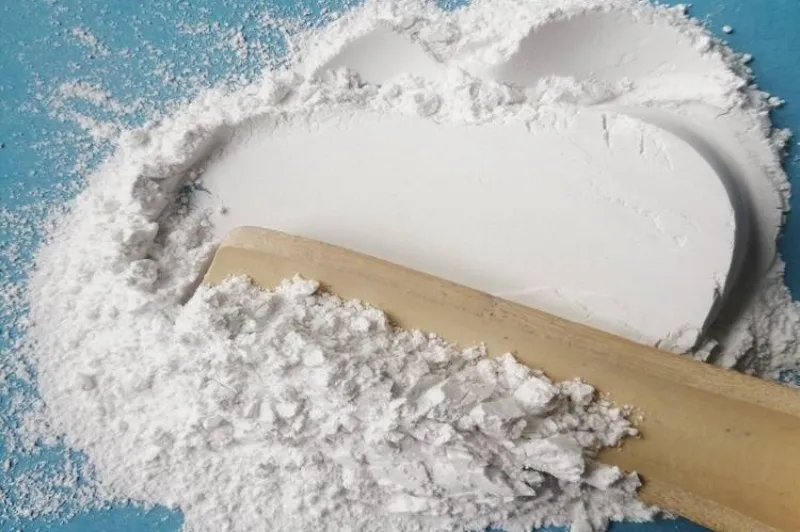
The fineness of quartz powder directly affects the following key properties:
- Specific surface area: Influences reactivity, adsorption capacity, and interfacial bonding
- Dispersion performance: Determines uniformity in composite materials
- Optical properties: Affects transparency and refractive index matching
- Mechanical reinforcement: Impacts the strength of filled systems
- Processing performance: Influences flowability and system viscosity
However, excessively fine quartz powder can also cause several issues:
- Increased surface energy leading to agglomeration
- Higher demand for resin or water
- Poor dispersion and reduced processing performance
- Significantly increased grinding energy consumption
Therefore, the key is not “the finer, the better,” but rather matching fineness with application requirements.
II. Recommended Fineness Ranges for Major Applications
Construction, Engineered Stone, and Fiberglass Industry: Focus on Scale and Energy Efficiency
Application scenarios: Quartz surfaces, fiberglass raw materials, ceramic bodies
Fineness requirement: 200 mesh – 400 mesh (38 μm – 75 μm)
In this field, quartz powder consumption is extremely high. Buyers mainly focus on output per unit energy consumption and particle shape gradation to ensure compactness during slab pressing.
Recommended equipment: Vertical Roller Mill (VRM)
Reasons for matching:
- High efficiency and large capacity:
The VRM integrates crushing, grinding, classification, and conveying. When producing around 325 mesh powder, a single unit can achieve output ranging from several tons to dozens of tons per hour. - Energy saving:
Compared with traditional mills, VRMs can save 30%–50% energy at the same fineness, significantly reducing operating costs for large-scale plants. - Intelligent control:
Equipped with a high-efficiency internal classifier, enabling real-time adjustment of rotor speed to quickly switch between different fineness levels.
Coatings, Paints, and High-End Paper Fillers: Pursuing Ultrafineness and Extreme Whiteness
Application scenarios: Industrial coatings, heavy-duty anti-corrosion paints, high-performance plastics, premium paper
Fineness requirement: 600 mesh – 2500 mesh (5 μm – 20 μm)
The coatings industry requires quartz powder to be “as fine as flour,” with extremely high whiteness and dispersion. Any discoloration caused by metallic impurities is unacceptable.
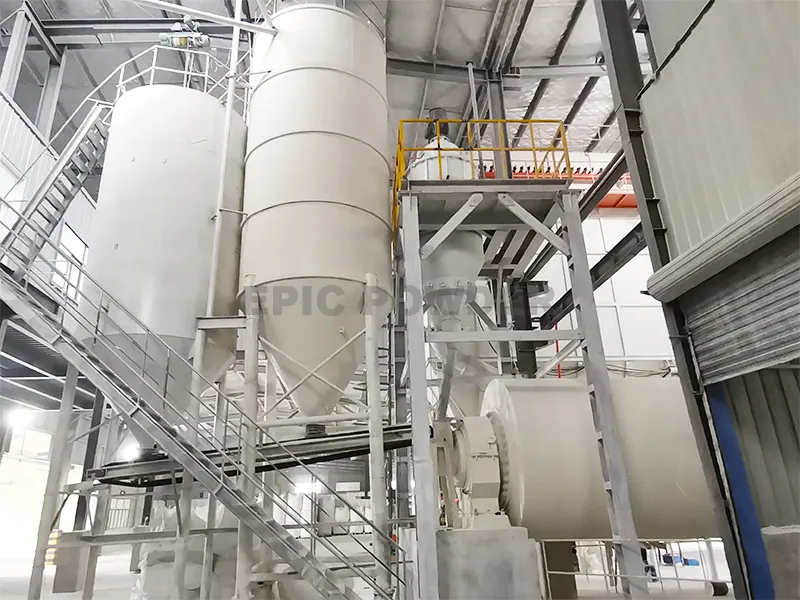
Recommended equipment: Ball Mill + Air Classifier System
Reasons for matching:
- Stable fine grinding:
The ball mill uses grinding media (such as high-alumina ceramic balls) to achieve micro-level attrition, producing fine powder with smooth particle size distribution. - Zero metal contamination (high purity):
The mill can be lined with alumina ceramic or silica liners, combined with high-alumina grinding media, ensuring no metal contact during grinding and preserving the original whiteness. - High classification precision:
Multi-stage air classifiers can achieve ultrafine powder with D97 reaching 5 μm, meeting the requirements of high-end coatings.
Electronic Grade and Semiconductor Packaging: Pursuing Ultimate Purity and Particle Shape
Application scenarios: Epoxy molding compounds (EMC), electronic-grade silicon powder, optical glass
Fineness requirement: Above 2500 mesh (2 μm – 5 μm or even nanoscale)
This represents the high-end quartz powder market, where impurity levels of iron, aluminum, calcium, and others must be controlled at the ppm (parts per million) level.
Recommended equipment: Fluidized Bed Jet Mill
Reasons for matching:
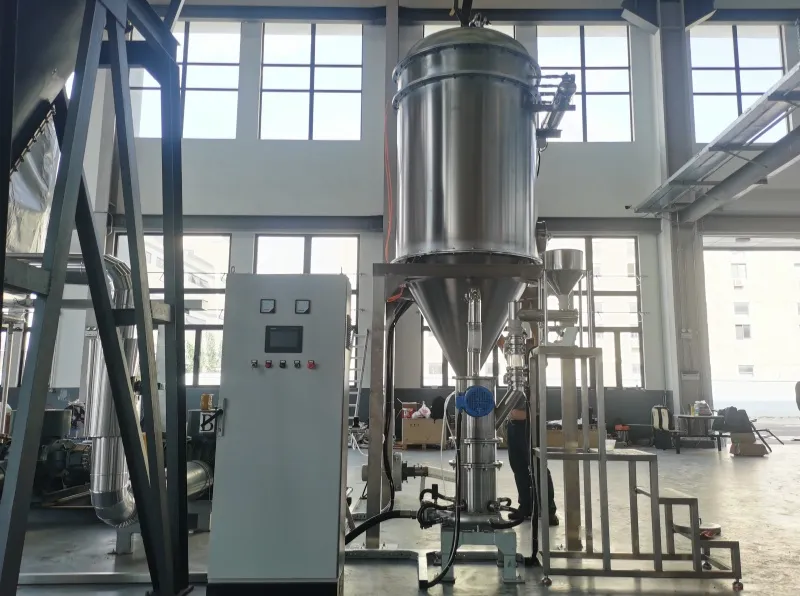
- The jet mill uses high-speed airflow to cause particle-to-particle collision for grinding, with almost no equipment wear, making it the ultimate solution for “iron-free processing.”
- Key feature:
Capable of producing extremely fine powders with very narrow particle size distribution.
Glass and Metallurgical Industry: Focus on Uniform Particle Size
Application scenarios: Flat glass, photovoltaic glass, metallurgical flux
Fineness requirement: 20 mesh – 120 mesh (120 μm – 850 μm)
For these applications, the material is more like “fine sand” rather than powder. If too fine, it causes dust pollution in furnaces; if too coarse, it leads to incomplete melting.
Recommended equipment: Rod Mill or European Type Grinding Mill
Reasons for matching:
Rod mills effectively control overgrinding and produce particles with sharp edges and highly uniform size distribution, making them ideal for glass industry feeding standards.
Conclusion and Recommendations
For global buyers, the focus of seeking quartz grinding equipment has shifted from simple “capacity” to “fineness stability,” “energy efficiency,” and “final product purity.”
- If you are targeting the construction or artificial stone markets, a high-capacity Vertical Roller Mill system is the most cost-effective long-term investment, offering superior energy savings and stable output.
- If your focus is on the coatings, fillers, or high-purity ceramics sectors, a Ball Mill + Air Classifier system—equipped with ceramic linings—is essential to ensuring ultra-fine precision and iron-free purity.
- For high-end laboratories or specialty electronic materials, priority should be given to Jet Milling units with precision classification capabilities for sub-micron results.
By matching the right grinding equipment with a deep understanding of the application’s fineness requirements, quartz processing enterprises can secure a more competitive position in the global industrial chain.

“Thanks for reading. I hope my article helps. Please leave a comment down below. You may also contact Zelda online customer representative for any further inquiries.”
— Posted by Emily Chen