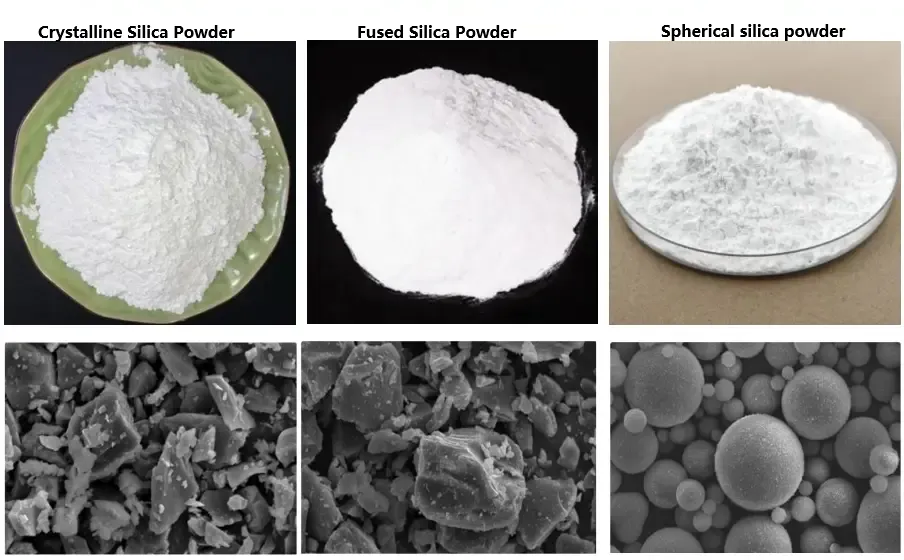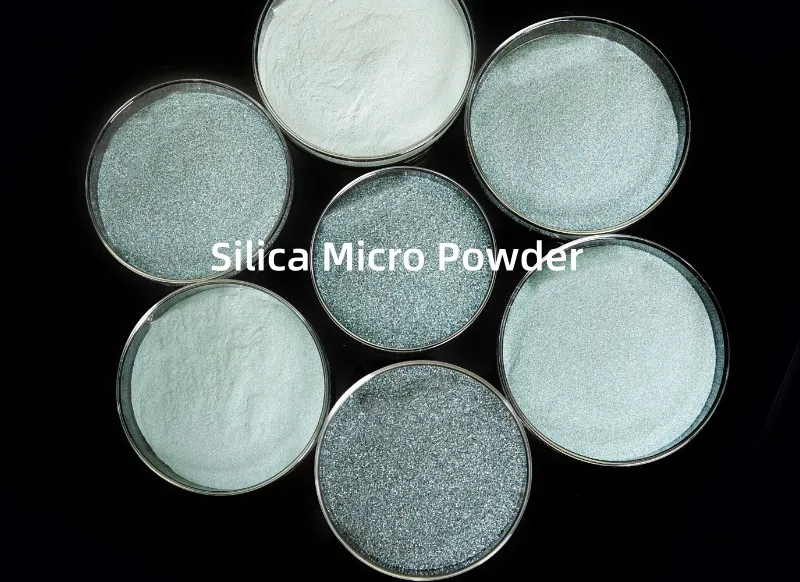
In the formulation of high-performance coatings—such as wood coatings, leather coatings, coil coatings, and thin-film coatings—silica matting agents serve as core additives for adjusting gloss, improving haptics, and enhancing the physical properties of the film. However, coating manufacturers have strict requirements for these agents: they demand high matting efficiency, excellent film transparency, and superior re-dispersibility to prevent hard settling.
To produce “coating-grade” silica that meets these demands, while the upstream chemical precipitation or gel process is vital, the downstream physical pulverization and classification are the keys to determining the final Particle Size Distribution (PSD), porosity, and transparency. This article explores how to optimize the production line, specifically through advanced Coating-Grade Silica Grinding techniques using ultrafine equipment to create high-end matting agents.
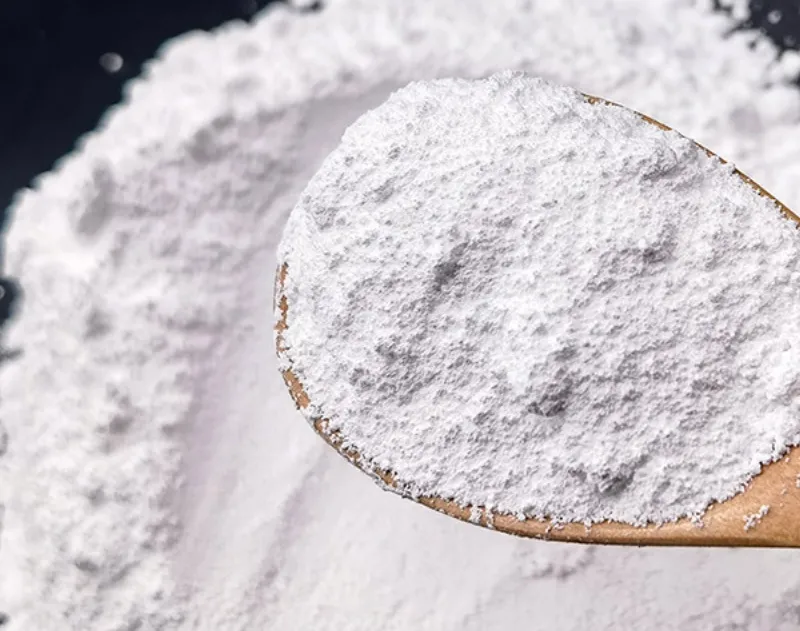
I. Core Performance Requirements for Matting Agents
To produce high-quality coating-grade silica, we must first clarify the key indicators:
- High Transparency (Low Haze)Transparency comes from precise control over particle size and distribution:
- Particle size typically controlled at 3–10 μm (D50).
- Avoid coarse particles (>15 μm) that cause light scattering.
- Avoid ultrafine dust (<1 μm) that increases haze.
- Excellent DispersibilitySuperior dispersibility ensures:
- Fast wetting in resin systems.
- No agglomeration or floating.
- Low oil absorption.
- Controllable Matting EfficiencyThis depends on:
- Pore structure (specific surface area).
- Particle Size Distribution (PSD) width.
- Surface roughness.
In short: Particle size determines transparency, structure determines matting capability, and dispersibility determines application performance.
II. Impact of Raw Material Structure on Matting Performance
Coating-grade matting agents are usually produced using precipitated or gel silica, characterized by:
- Porous structures (pore diameters of 10–50 nm).
- High specific surface area (300–800 m2/g).
- Propensity to form “soft agglomerates.”
These soft agglomerates form large particles (tens of microns) after drying and must be de-agglomerated via grinding. However, the internal pore structure must remain intact during this process.
The Contradiction:
- Insufficient grinding → Poor dispersibility.
- Excessive grinding → Pore structure collapse → Decreased matting performance.
Therefore, the choice of Coating-Grade Silica Grinding equipment is critical.
III. Key Production Processes: Ultrafine Grinding and Precision Classification
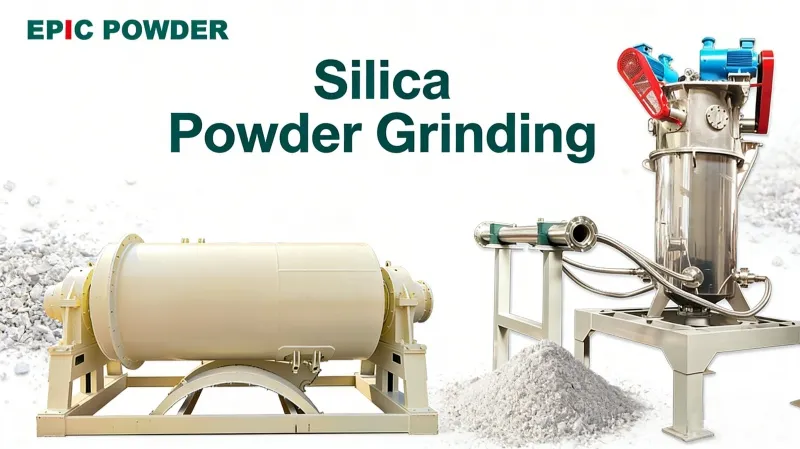
After drying, silica filter cakes are irregular agglomerates that require deep processing. Current mainstream production lines utilize either Jet Mills or systems with integrated classifiers (such as Air Classifier Mills).
Jet Milling Technology: The Secret to High Transparency
Jet mills (fluidized bed or disk type) use supersonic airflows to cause particles to collide at high pressure.
- Low-Temperature Grinding: The expansion of compressed air creates a cooling effect. This is vital for wax-modified silica, as the low-temperature environment prevents the wax (which has a low melting point) from melting and clogging the equipment.
- Self-Grinding Effect: Particles collide with each other, introducing no metallic impurities and ensuring high purity and whiteness.
- Extreme Classification: The built-in high-speed turbine strictly rejects large particles (D100 > 20μm ), ensuring a smooth film without a grainy feel.
Air Classifier Mill (ACM) Systems: Balancing Cost and Efficiency
The ACM works by mechanical impact combined with an internal classifier wheel.
- Advantages: Integrated grinding and classification, lower energy consumption, and continuous production.
- Challenges: The strong impact force may damage pore structures or generate excessive fines.
- Optimization: Reducing rotor linear speed and increasing classifier wheel speed can refine the results of Coating-Grade Silica Grinding.
Ball Mills: Not Recommended as the Primary Tool
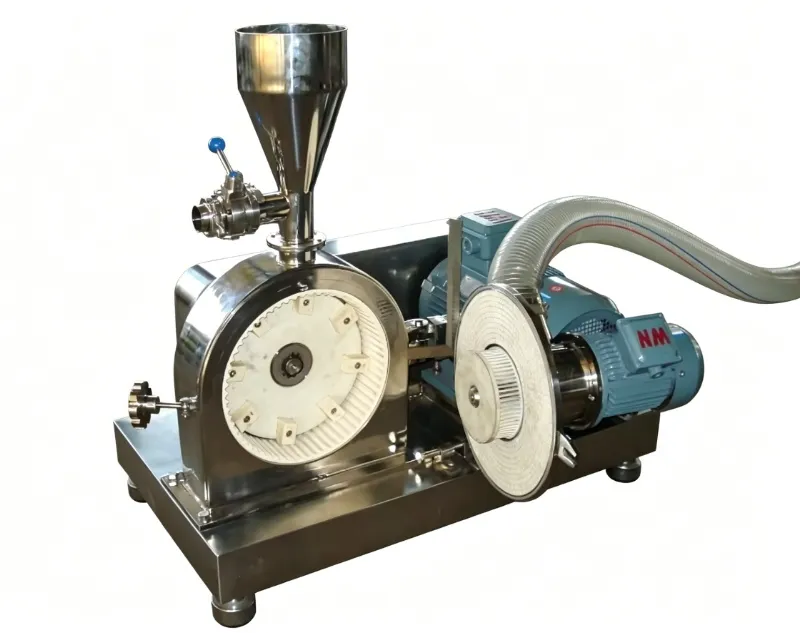
Ball mills often cause media contamination, uncontrollable energy input, and structural collapse, leading to a wide particle size distribution. They are only suitable for primary coarse crushing or non-high-end products.
IV. Specialized Design for Performance Enhancement
Protection of Pore Structure
The matting ability of silica is closely related to its pore volume. Excessive pressure during Coating-Grade Silica Grinding will crush these pores.
- Process Optimization: By using frequency conversion to control air volume and feeding rates, we achieve “weak impact, strong classification,” allowing qualified particles to exit the grinding zone quickly.
In-situ Surface Treatment (Wax Modification)
To produce “easy-to-disperse” agents, wax is often added during the grinding stage. In the high-energy field of ultrafine Coating-Grade Silica Grinding, wax molecules uniformly coat the silica surface. This improves dispersibility and enhances the scratch resistance of the coating film.
Achieving Narrow Particle Size Distribution (PSD)
Secondary classification processes further remove “over-fine” particles. While these don’t hurt transparency, they significantly increase coating viscosity and negatively affect leveling.
V. Conclusion and Industry Recommendations
Producing high-transparency, easy-to-disperse matting agents is not just about buying a machine; it is about the precise regulation of “force fields” and “airflow fields.”
- Equipment Selection: For high-value applications (e.g., mobile phone coatings, UV coatings), always opt for a Jet Mill with precision classification.
- Contamination Prevention: Because silica is abrasive, equipment should be lined with ceramics or high-molecular-weight wear-resistant materials to prevent metallic contamination that causes film yellowing.
- Digital Control: Modern lines should feature online particle size monitoring to adjust parameters in real-time.
As a leading expert in powder processing, Epic Powder (Qingdao Epic Powder Machinery Co., Ltd.) provides customized engineering services for the silica industry, from standalone units to fully automated lines. Our specialized Coating-Grade Silica Grinding laboratory offers free sample testing to help you find the perfect balance between matting efficiency, transparency, and production cost.
“Thanks for reading. I hope my article helps. Please leave a comment down below. You may also contact Zelda online customer representative for any further inquiries.”
— Posted by Emily Chen