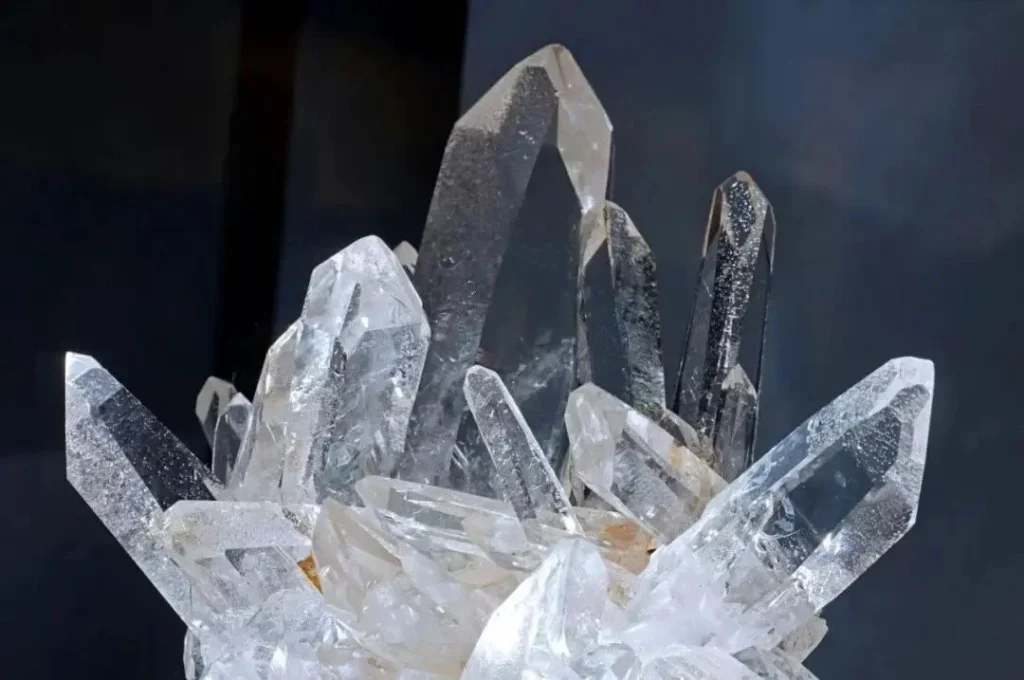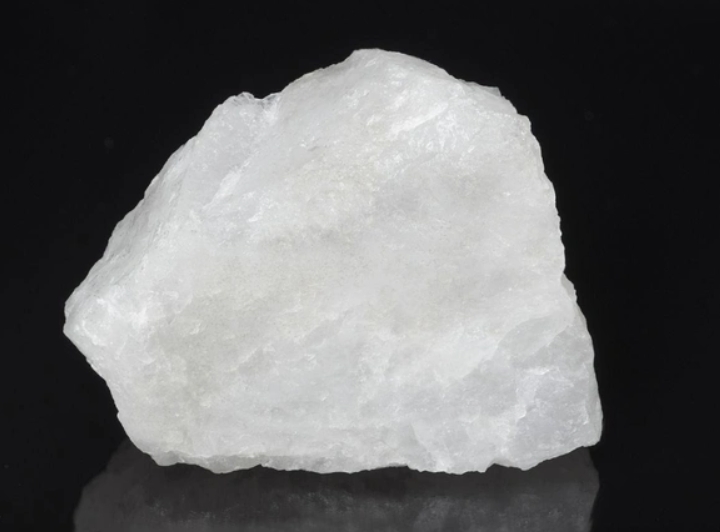
I. What Is Quartz Powder?
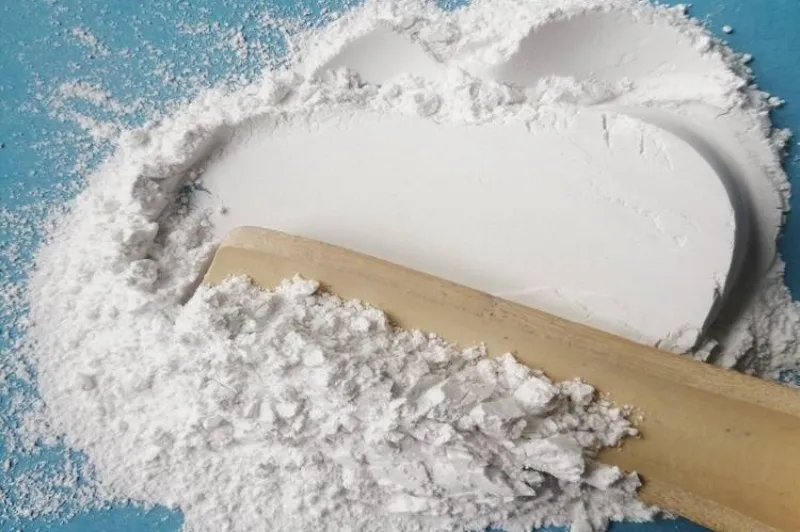
Quartz powder (also known as quartz sand or silica powder) is a hard, wear-resistant, and chemically stable silicate mineral primarily composed of silicon dioxide (SiO2). It is milky white or colorless and translucent, with a Mohs hardness of 7, a density of 2.65 g/cm3, an insoluble nature in acids, and a melting point of 1650°C.
In industrial classification:
- Quartz Sand: Refers to products with a fineness below 120 mesh (particles coarser than 120 mesh).
- Quartz Powder: Refers to micro-powder products with a fineness exceeding 120 mesh.
- Ultrafine and Modified Forms: Depending on fineness and morphology, high-performance derivatives can be produced, such as nano-silica (fumed silica/precipitated silica) and spherical silica powder.
II. Overview of Applications and Preparation Equipment
Quartz powder has a wide range of applications. In the glass, artificial quartz stone, ceramics, and metallurgy industries, the required particle size generally ranges from tens to hundreds of mesh.
However, when used as a functional filler in plastics, coatings, rubber, and adhesives, the fineness requirement reaches hundreds to thousands of mesh (or even nanometer scale). These high-end applications also demand extremely high purity and dispersibility.
Equipment Selection Matrix
To obtain quartz powder of different finenesses and morphologies, specific crushing and grinding equipment must be selected:
| Product Fineness Requirement | Selected Crushing/Grinding Equipment | Equipment Features & Preparation Points |
| Medium-Coarse Powder (tens–120 mesh) | Jaw Crusher, Cone Crusher, Double-Roll Crusher | Mechanical coarse crushing. Mainly used as raw material for artificial quartz stone and building materials. |
| Fine Powder (120–400 mesh) | Raymond Mill, Vertical Roller Mill | Mature production line, high output, and low cost. Suitable for standard coatings and panel fillers. |
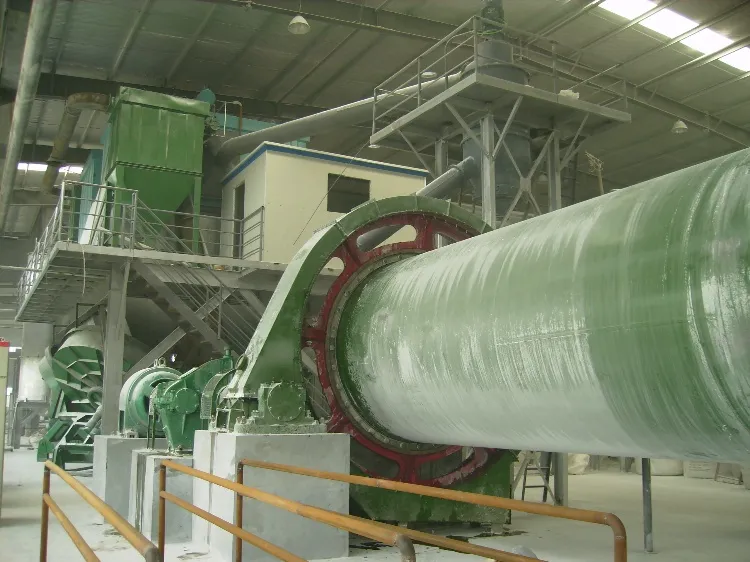
| Ultrafine Powder (400–2500 mesh) | Dry Ball Mill + Air Classifier (Closed-Loop System) | The primary equipment for industrial high-purity ultrafine silica powder. It enables precise particle size distribution control. |
| Extremely Fine / Micron-Level (1250–5000 mesh) | Jet Mill (Fluidized Bed Jet Mill) | Uses high-pressure air collision for pulverization. Features zero media contamination, narrow particle size distribution, and high purity. |
| Spherical / Nano-Level | Wet Bead Mill, Ultrafine Ball Mill, Flame Spheroidization Furnace | Used for high-end electronic packaging, nano-silica, or the modification and ultrafine dispersion of spherical silica powder. |
Anti-Iron Contamination Notice: Because quartz has a Mohs hardness of 7, it easily causes equipment wear during crushing, leading to iron contamination. For high-purity filler requirements, equipment linings (such as alumina ceramic, silica, or polyurethane) and grinding media (zirconia beads or quartz balls) must undergo iron-free processing.
III. Filler Applications and Crushing Process Requirements
Adding quartz powder to plastics, rubber, and coatings improves wear resistance, enhances thermal stability, and reduces production costs.
1. Applications in the Plastics Industry
- Basic Specifications: Fineness: 400–2500 mesh | Purity: >99.5% | Whiteness: 80–94
Application Effects
- PVC Flooring / Pipes: Enhances surface wear and scratch resistance. It lowers melt viscosity, which improves extrusion flowability and acid resistance.
- PE / PP Films: Improves physical and optical properties. It blocks infrared radiation, significantly enhancing thermal insulation in agricultural greenhouses.
- Epoxy Molding Compound (EMC): Reduces the coefficient of thermal expansion, water absorption, and molding shrinkage. It greatly improves heat resistance and dielectric insulation.
Equipment Matching
Manufacturers typically use a ball mill + air classifier combined production line. This setup maintains a concentrated particle size range (stable D50) from 400 to 2500 mesh, preventing oversized particles from causing film punctures or injection molding defects.
2. Applications in Coatings and Paints
- Basic Specifications: Fineness: 400–2500 mesh | Purity: >99.5% | Whiteness: 70–94
Application Effects
Quartz powder features high hardness, good suspension, low oil absorption, and strong weatherability. These characteristics improve the coating’s wear, corrosion, high-temperature, and insulation resistance. In exterior wall coatings, it significantly increases resistance to UV aging.
Equipment Matching
Coatings are extremely sensitive to D90 oversized particles. A fluidized bed jet mill is generally used for deep processing. This equipment removes oversized particles to ensure a smooth, grit-free film surface after drying.
3. Applications in Epoxy Floor Coatings
- Basic Specifications: Fineness: 400–1500 mesh | Purity: >99% | Whiteness: 70–94
Application Effects
It enhances the wear resistance, impact resistance, scrub resistance, and acid/alkali corrosion resistance of floor coatings.
If spherical silica powder is used, its excellent fluidity and high packing density significantly lower resin viscosity, which cuts down on epoxy resin consumption.
Equipment Matching
Angular silica powder can be processed using a dry ball mill production line. In contrast, spherical silica powder requires sending pulverized angular silica powder into flame-method high-temperature spheroidization equipment for surface fusion modification.
4. Applications in Rubber and Rubber Products
- Basic Specifications: Fineness: 1250–5000 mesh | Purity: >99.5% | Whiteness: 70–94
Application Effects
- Rigid / Molded Rubber: Increases rubber stiffness, reduces density, and raises both heat insulation performance and softening temperature.
- Wear-Resistant Sheets / Tires: Enhances rubber permeability and bond strength, significantly improving tensile strength and wear life.
- Light-Colored Rubber Shoes (Nano-Silica): Serves as an effective light-colored reinforcing filler. It offers anti-slip and wear-resistant qualities while providing strong upper-shoe adhesion.
Equipment Matching
Rubber requires an extremely high specific surface area and fineness (>1250 mesh). Processing usually employs an ultrafine jet mill or wet grinding mill (bead mill) to achieve sub-micron or nanometer-level particles.
5. Applications in Sealants and Adhesives
- Basic Specifications: Fineness: >1250 mesh | Purity: >99.5% | Whiteness: 80–94 | Moisture Content: <0.1%.
Application Effects
It delivers thickening, reinforcing, anti-tearing, and anti-aging properties. It noticeably increases the bond strength, yield value, and shear-thinning index of the adhesive.
Equipment Matching
Beyond grinding the powder to above 1250 mesh using a jet mill, the processed quartz powder must pass through a continuous surface modification machine (adding silane coupling agents) and high-temperature dehydration equipment. The moisture content must be strictly controlled below 0.1% to prevent premature curing during storage.
IV. Conclusion and Outlook
From basic building panels to advanced electronic packaging, the core value of quartz powder as an inorganic non-metallic filler relies on its natural physical and chemical properties. However, it depends just as heavily on a complete deep-processing chain: precise pulverization → particle size control →surface modification.
As downstream high-end manufacturing demands higher material performance, quartz powder preparation equipment is evolving toward ultrafine grinding, iron-free high purity, spheroidization, and intelligent control. Matching the right crushing equipment with the proper process route increases product added value and serves as the essential path toward high-value quartz resource utilization.

“Thanks for reading. I hope my article helps. Please leave a comment down below. You may also contact Zelda online customer representative for any further inquiries”
— Posted by Emily Chen