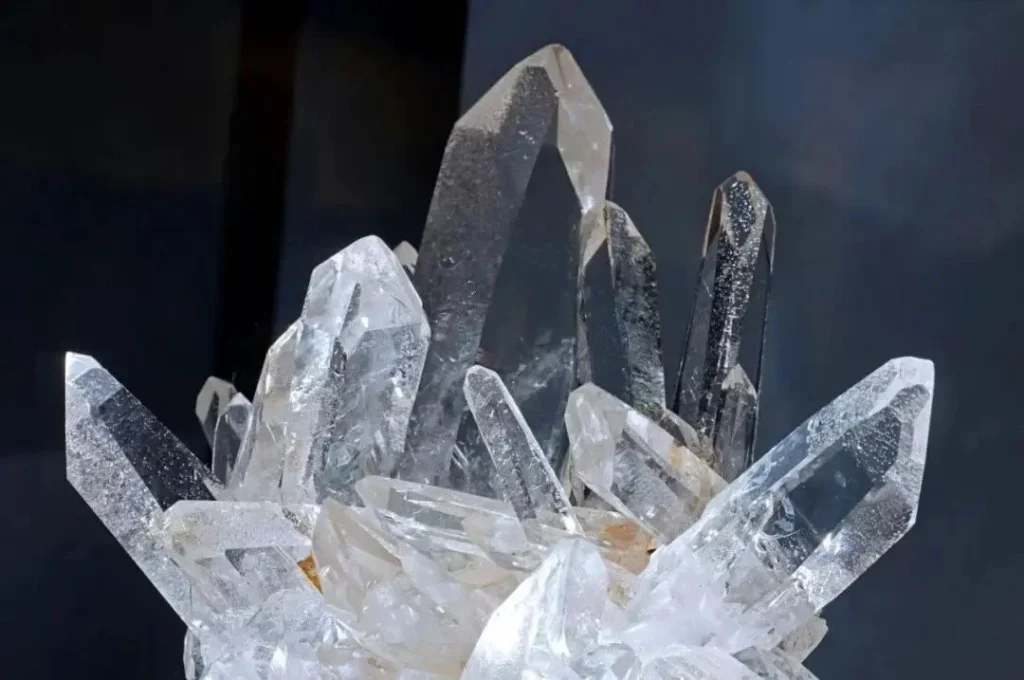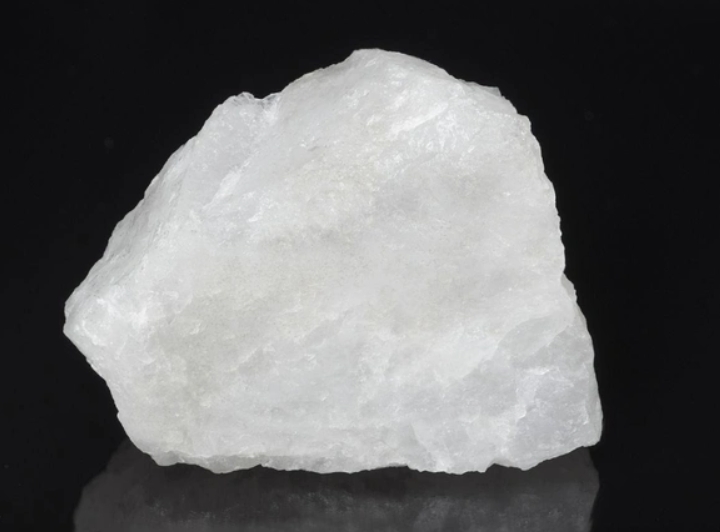
It is not as sharp as diamond, nor as rare as rare earth materials—yet it is found almost everywhere.
From smartphone screens to aerospace thermal-control coatings, from premium toothpaste to deep-sea oil well cement, from artistic paints to lithium-battery separators, glass powder quietly pushes performance boundaries across countless industries.
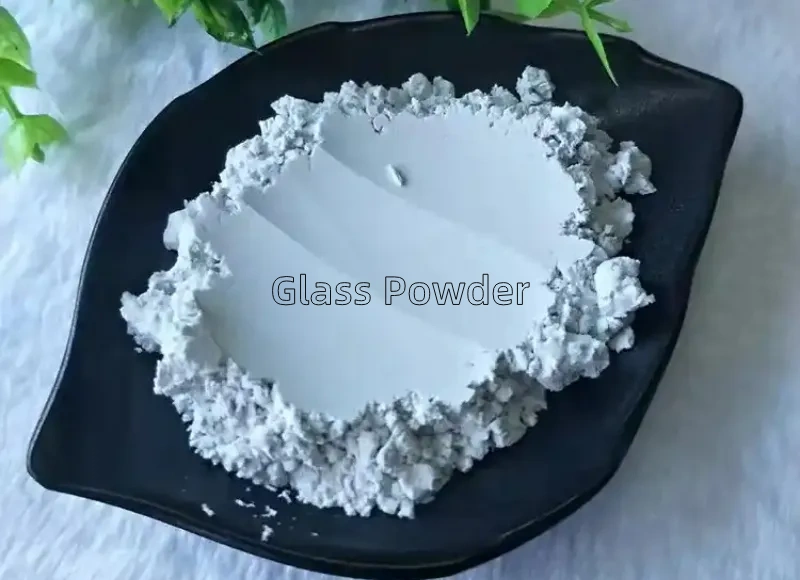
It Can Do “Almost Everything”
| Application Field | Role of Glass Powder | Key Performance Improvements |
|---|---|---|
| Engineering plastics & composites | Functional mineral filler | Higher rigidity, wear resistance, dimensional stability; lower cost |
| Paints & coatings | Functional extender pigment + rheology modifier | Thickening, anti-settling, scrub resistance, pearlescent/matte effects |
| Friction materials (brake pads) | Mild abrasive + thermal stabilizer | Stable friction coefficient, reduced noise, longer service life |
| Toothpaste | Gentle abrasive | Cleans teeth without damaging enamel (controlled RDA value) |
| Oil well cement | Anti-gas migration agent + strength enhancer | Prevents gas channeling and improves cementing quality |
| Ceramic-coated Li-ion separators | High-temperature filler | Excellent heat resistance; no shrinkage at 180°C |
| 3D printing UV-curable resin | Thixotropic agent + strengthening filler | No deformation during printing; finer surface quality |
| Cosmetics | Optical diffusion & soft-focus powder | Brightens skin, improves coverage, controls oil |
Few fillers are capable of spanning both advanced technology and mass consumer products the way glass powder does.
It Comes with “All-Around” Material Advantages
- Extremely high chemical inertness: does not react with acids, bases, polymers, or solvents
- Mohs hardness 5–7: hard enough for reinforcement, gentle enough not to damage substrates
- High isotropic roundness: excellent flowability; no clogging in molds or spray guns
- Refractive index around 1.5: highly compatible with most resins, nearly transparent
- Low thermal expansion: outstanding thermal shock stability for high-temperature coatings
- High whiteness and adjustable translucency: supports both pearlescent and pure matte finishes
- Cost-effective: far cheaper than silica powder, barium sulfate, or ceramic microbeads
The Finer It Gets, the More “Universal” It Becomes
Ordinary glass powder (tens of microns) is merely a basic filler.
Ultrafine, spherical, high-purity glass powder, however, unlocks a completely different performance tier.
| Particle Size Range | Typical Applications | Why Normal Glass Powder Fails |
|---|---|---|
| 5–20 μm | Standard coatings, plastics | Rough feel, poor transparency |
| 1–5 μm | High-end engineering plastics, friction materials | Ordinary powders disperse poorly and agglomerate easily |
| D50 ≤ 2 μm | Battery coatings, toothpaste, cosmetics | Requires very high sphericity and surface cleanliness |
| D50 ≤ 1 μm | 5G substrates, optical resins | Impossible to achieve with normal processes |
| Submicron / nano | Anti-scratch optical coatings, CMP slurry | Belongs to the frontier of advanced materials |
Truly high-end glass powder is not “crushed recycled glass.”
It requires multi-step precision processes: jet milling, chemical purification, surface activation, and spherical shaping.
All-Ceramic Lined Jet Mill Production Process
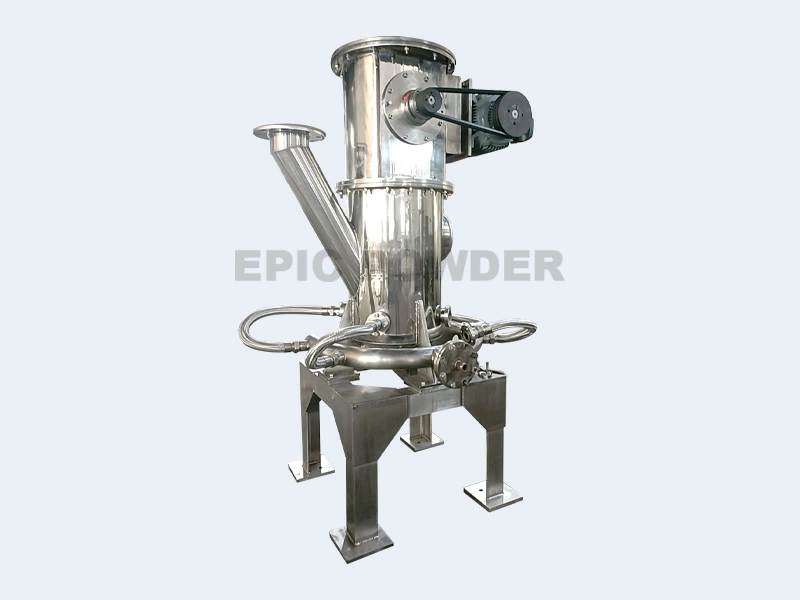
Standard industrial route (example: D50 = 2.5 μm battery-grade glass powder)
- Raw material: High-purity quartz + soda ash → melted at 1500°C → quenched into amorphous glass frit
- Pre-crushing: D97 < 30 μm
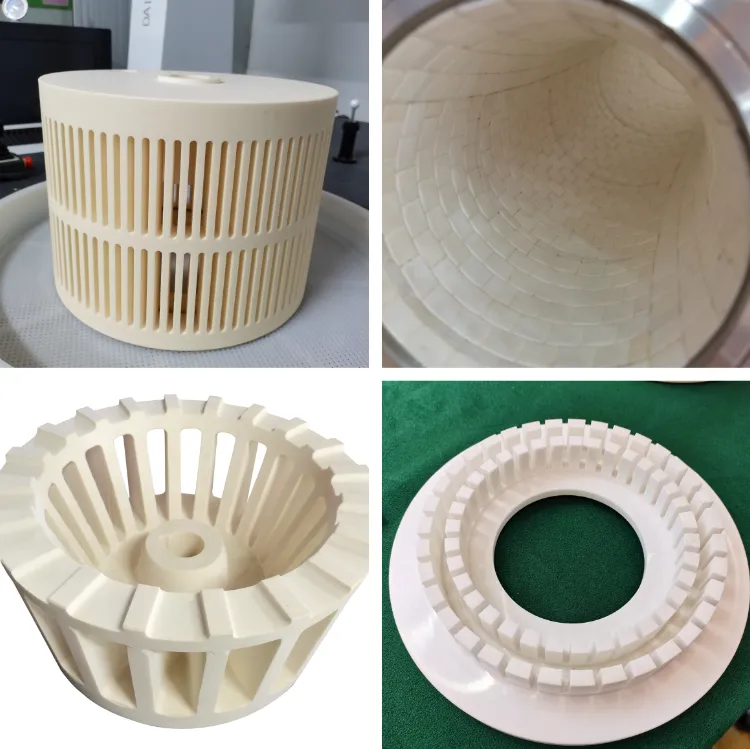
- Core ultrafine grinding: All-ceramic (zirconia/alumina) jet mill
- Grinding chamber, pipelines, and classifier fully ceramic—no metal contamination
- Particle–particle collision grinding driven by compressed air or nitrogen
- Temperature rise < 25°C, preserving amorphous structure
- Classifier speed 5000–8000 rpm for precise top-cut control
- Post-processing: Acid washing → ultra-pure water rinse → 1200°C flame-spray spheroidization (optional)
- Quality control: Fe₂O₃ < 15 ppm, Na⁺ < 50 ppm, sphericity > 93%
Why Must It Be a Ceramic-Lined Jet Mill?
| Item | Standard Steel Jet Mill | Ceramic Jet Mill | Suitable for Battery/Cosmetic Use? |
|---|---|---|---|
| Iron contamination | +200–800 ppm | +8–15 ppm | No → Yes |
| Particle size Span | 1.8–2.5 | 1.05–1.30 | Normal → Ultra-narrow |
| Sphericity retention | Poor (shear breakage) | Excellent (pure impact) | Poor → Excellent |
| Batch stability | ±15% | ±3% | Not acceptable → Ideal |
Real-World Cases
- Global brake pad manufacturer:
Increased glass powder content from 8% to 18%; noise reduced by 6 dB; service life improved by 22%. - Japanese toothpaste brand:
Replaced traditional silica with D50 = 2.8 μm high-purity glass powder; RDA dropped from 120 to 75—much gentler on enamel. - Chinese power battery producer:
Using D50 = 1.5 μm spherical glass powder in separator coating reduced 180°C shrinkage from 12% to <1%. - European cosmetics brand:
Adopted 0.8 μm spherical glass powder as a “soft-focus powder”—sold out immediately after launch.
Conclusion
With the rapid rise of ultrafine, high-purity glass powder across batteries, coatings, electronics, and cosmetics, manufacturers are increasingly turning to ceramic-lined jet mills. Because the jet mill can provide unmatched purity, narrow particle size distribution, and excellent sphericity retention.
Epic Powder, equipped with advanced all-ceramic jet milling and precision air classification technologies, provides reliable, scalable solutions for producing submicron to micron-grade glass powder with Fe₂O₃ < 15 ppm and exceptional stability.
Contact us for a free consultation and customized solutions! Our expert team is dedicated to providing high-quality products and services to maximize the value of your powder processing. Epic Powder—Your Trusted Powder Processing Expert !

“Thanks for reading. I hope my article helps. Please leave a comment down below. You may also contact Zelda online customer representative for any further inquiries.”
— Posted by Emily Chen