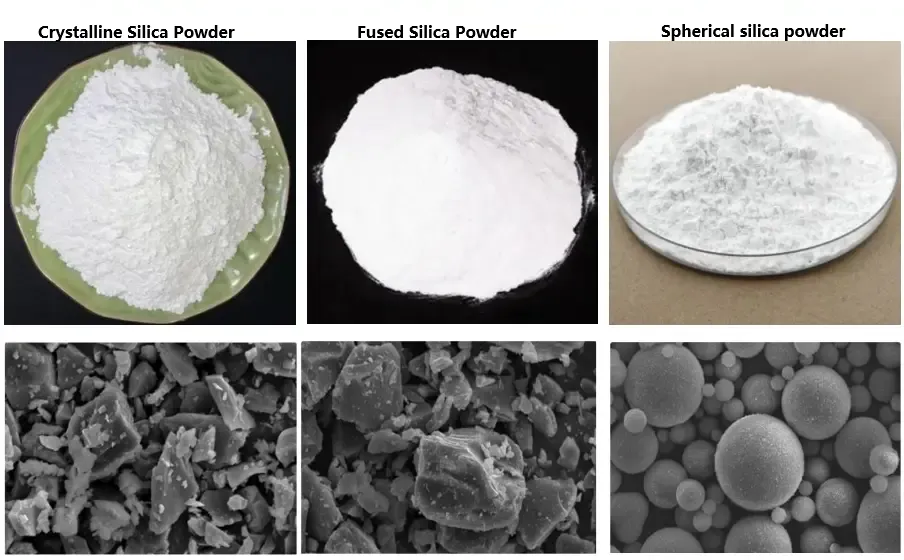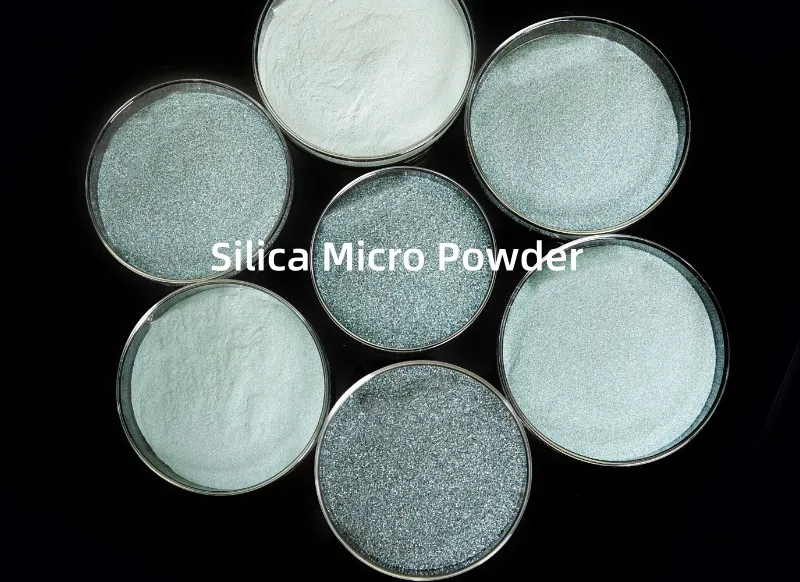
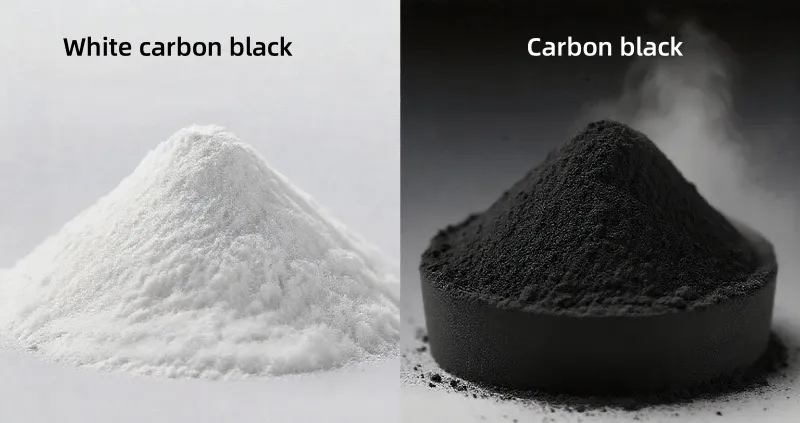
What exactly is white carbon black, and why is it so important in modern industries? White carbon black—also known as precipitated silica, hydrated silica, or amorphous SiO₂—is a fine, white powder made from silicon dioxide. Through White Carbon Black Grinding and Modification, its particle size distribution, specific surface area, and surface activity can be precisely controlled to meet diverse application requirements. Unlike traditional carbon black, which is black and composed mainly of elemental carbon, white carbon black offers unique properties due to its color, structure, and chemistry, making it indispensable in rubber, plastics, coatings, batteries, and advanced composite materials.
Key Differences from Carbon Black
- Color: White carbon black appears white or off-white, making it ideal for applications where color matters.
- Properties: It has a highly porous, amorphous structure rich in silanol groups (–Si–OH), giving it a hydrophilic nature.
- Reinforcing Mechanism: While carbon black strengthens materials mainly through its physical structure and electrical conductivity, white carbon black improves reinforcement via its large surface area and strong interaction with polymer matrices.
Why Ultrafine White Carbon Black Grinding and Surface Modification Matter
Achieving ultrafine particle sizes—specifically, D97: 10μm or finer—is critical for maximizing white carbon black’s performance. Grinding to this level:
- Enhances dispersion in rubber, plastics, and coatings.
- Increases reinforcement efficiency by providing more surface contact.
- Reduces agglomeration, improving handling and flowability.
Alongside grinding, surface modification shifts the material from hydrophilic to hydrophobic, improving compatibility with organic matrices and boosting product durability.
In short, ultrafine grinding combined with precise surface modification unlocks the full potential of white carbon black for modern applications, ranging from tires and plastics to advanced adhesives and eco-friendly materials.
Characteristics of White Carbon Black Before and After Processing
White carbon black, also known as precipitated silica or hydrated silica, naturally features a high surface area and a porous structure packed with abundant silanol (Si–OH) groups. These silanol groups give it a strong hydrophilic nature, which makes the raw material highly reactive but also prone to challenges like agglomeration. This often leads to poor dispersibility in organic matrices such as rubber and plastics, limiting compatibility and performance in end products.
After ultrafine grinding and surface modification, these issues are significantly reduced. Particle size is brought down to D97: 10μm and below, which enhances reinforcement effects by increasing filler dispersion. Surface treatments transform the hydrophilic silica surface into a more hydrophobic one, cutting down on moisture absorption and improving bonding with organic materials. Additionally, post-processing improves powder flowability and handling, making it easier to integrate white carbon black into manufacturing processes.
For more on how surface changes support dispersion, check out our detailed overview of surface modification techniques.
Grinding Process for Ultrafine White Carbon Black
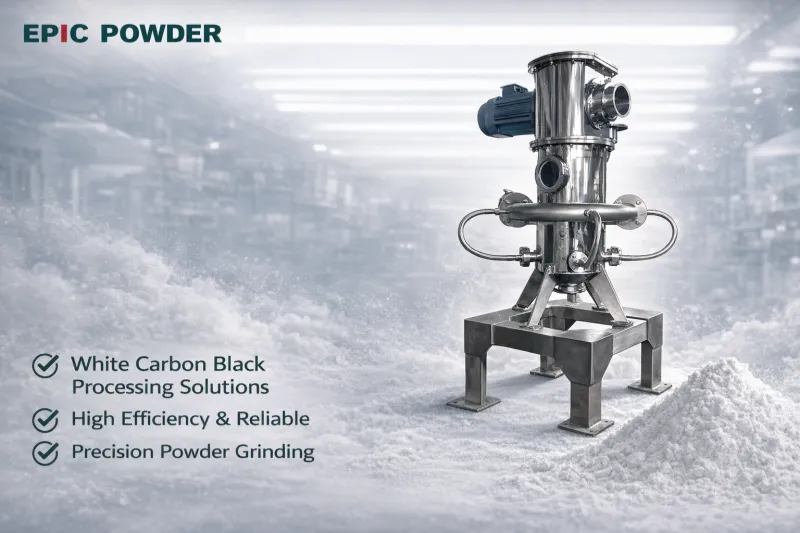
Achieving an ultrafine particle size of D97: 10μm or below is crucial for unlocking the full potential of white carbon black. Finer particles provide better reinforcement, improve dispersion, and enhance the material’s overall performance in applications like rubber and coatings.
For this level of precision, fluidized bed jet mills and steam jet mills are the recommended equipment. These dry grinding methods offer several advantages: they deliver high energy input for efficient size reduction, minimize contamination risks, and maintain the material’s purity. Controlling key parameters such as feed rate, gas or steam pressure, nozzle design, and classification settings allows for fine-tuning the process to achieve consistent, ultrafine output.
Epic Powder’s advanced jet milling technologies stand out by combining energy efficiency with reliable particle size control, ensuring your white carbon black stays within the desired D97: 10μm range. For example, their ceramic-lined jet mills have been successfully employed in ultrafine silica grinding projects, providing stable and high-quality results tailored to industry demands. You can explore some of their silica micropowder production lines for similar ultrafine grinding solutions here.
In , precise control of grinding parameters combined with high-performance equipment is key to producing ultrafine white carbon black that meets modern application standards and boosts final product quality.
Surface Modification and Coating Techniques
Surface modification is crucial for white carbon black because it changes the material from hydrophilic to hydrophobic, reduces the number of silanol groups on the surface, and enhances bonding with various organic matrices. This transformation improves compatibility and performance in downstream applications like rubber and plastics.
There are two main approaches to modify white carbon black:
- Chemical modification: This involves using silane coupling agents or polymer grafting to create stronger chemical bonds on the silica surface. These treatments effectively improve dispersion and adhesion but can be more complex and costly.
- Physical coating: Preferred at an industrial scale for its simplicity and cost-effectiveness, physical coating applies modifiers onto the powder surface without chemical reactions. Dry continuous coating processes are widely used because they offer better scalability, lower cost, and easier handling compared to traditional wet methods.
Dry coating techniques minimize waste and solvent use, making them more sustainable and suitable for large-scale production of hydrophobic white carbon black. Choosing the right modification method depends on the final application and production requirements.
For more on dry coating technology options like pin mill and turbo coating machines, check out Epic Powder’s surface modification solutions.
Specialized Coating Equipment for White Carbon Black
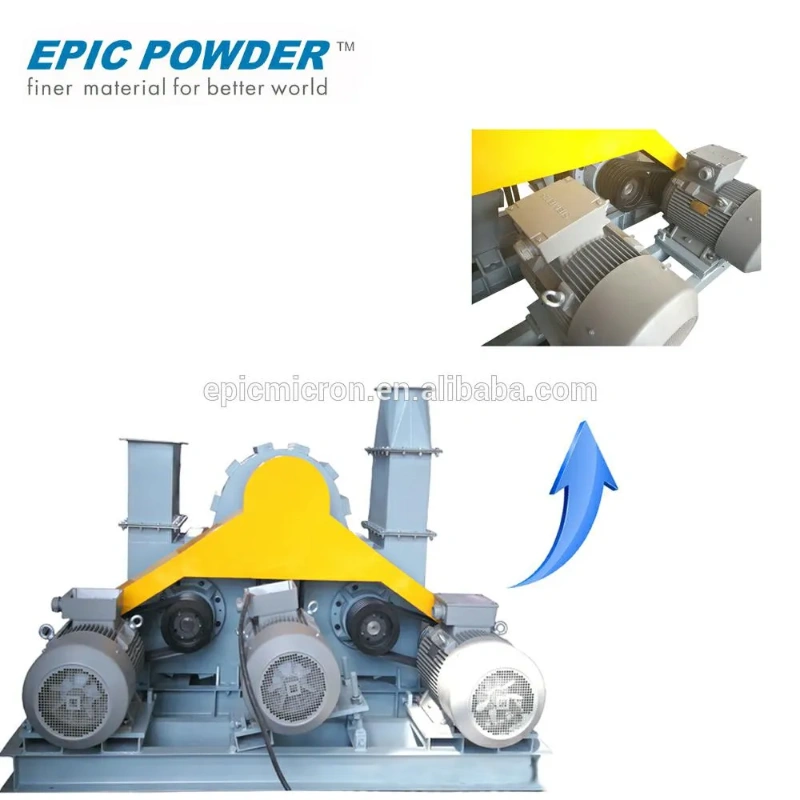
Coating white carbon black requires specialized equipment to ensure uniform modifier coverage and enhanced performance. The three roller coating machine uses high shear forces to deliver consistent, even coatings on silica particles, making it a popular choice for industrial-scale surface modification. For more impact-driven dispersion and coating, the pin mill coating machine is effective at breaking down agglomerates while applying modifiers evenly.
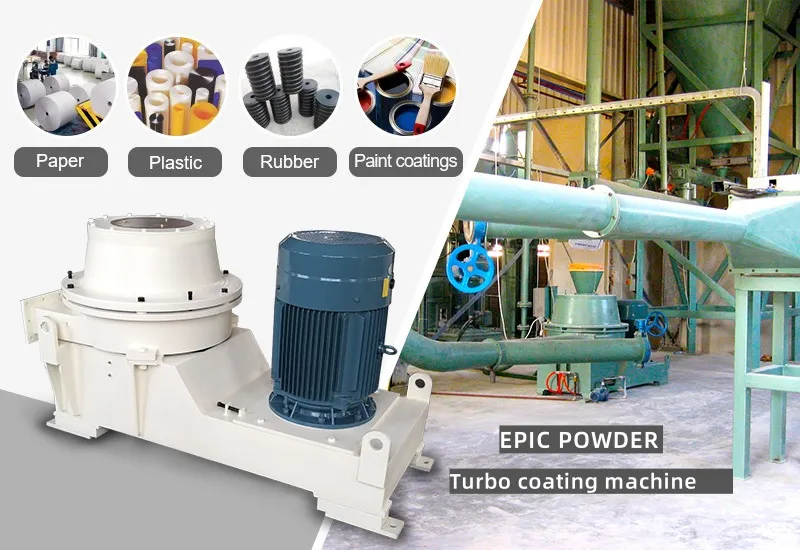
The turbo coating machine relies on vortex flow dynamics to spread modifiers efficiently, ensuring thorough and fast surface treatment without dead zones. For even higher coating rates and minimal untreated areas, the multi-rotor coating machine offers advanced vortex control, ideal for large-volume production with stable coating quality.
Epic Powder provides integrated systems that combine ultrafine grinding and surface modification in a one-pass process, improving energy efficiency and product consistency. These automated lines streamline production and ensure white carbon black achieves optimal hydrophobicity and dispersibility.
To explore these coating solutions further, check out Epic Powder’s three roller coating machine and jet mill processing for high-quality powder surface coating and size reduction.
Complete Process Flow: From Raw Material to Modified Product
The journey of white carbon black from raw material to a high-performance modified product involves a precise, well-integrated process. Here’s a clear step-by-step flow:
1. Pre-grinding:
Before ultrafine milling, raw precipitated silica undergoes coarse grinding to reduce large agglomerates and prepare it for more efficient size reduction.
2. Ultrafine Jet Milling:
Using advanced jet mill technology—such as fluidized bed or steam jet mills—the silica is ground to an ultrafine powder with a D97 of 10μm or below. This step is crucial for enhancing performance by increasing surface area and uniformity.
3. Surface Coating and Modification:
The ultrafine powder then moves to surface treatment, where it undergoes modification or coating processes (dry continuous coating preferred). These processes reduce hydrophilic silanol groups, improve dispersibility, and impart hydrophobicity to facilitate better compatibility with organic matrices.
4. Classification and Collection:
Once coated, precise classification ensures the final product meets strict particle size and coating rate specifications. The modified white carbon black is then collected for packaging or further use.
Quality Control Checkpoints
Across the entire flow, rigorous quality control is essential to guarantee consistent product excellence:
- Particle Size Distribution: Ensuring D97 at or below 10μm for ultrafine consistency.
- Activation Index: Measurement of surface energy and silanol group activity.
- Coating Rate: Verifying uniform modifier coverage to meet performance standards.
- Dispersibility Testing: Confirming compatibility and ease of integration in target applications.
Optimization Tips
To maximize efficiency and product consistency while minimizing energy consumption:
- Optimize feed rate and grinding pressure during jet milling for stable throughput.
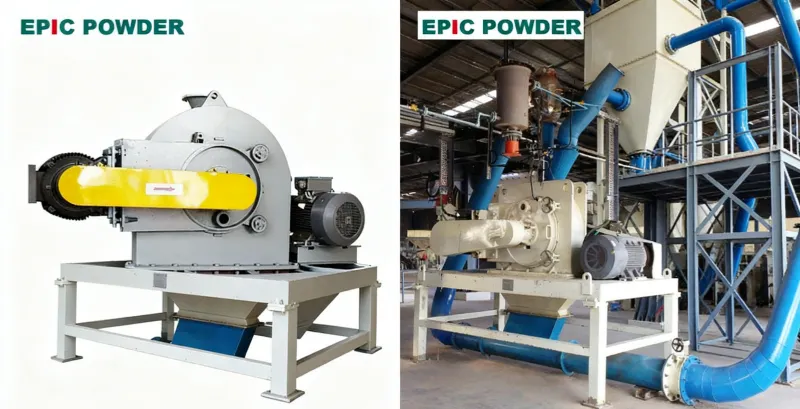
- Select appropriate coating techniques and equipment (three roller coating, pin mill or turbo coating machines) for uniform modifier distribution.
- Regularly calibrate classifiers to avoid oversized particles or overgrading.
- Integrate real-time monitoring systems for better process control and yield improvement.
For a deeper dive into optimizing silica powder processing and high-end applications, check out our detailed overview of silica micropowder production.
This integrated approach from pre-grinding through to surface modification ensures white carbon black delivers the enhanced performance required in modern rubber, plastics, coatings, and other advanced applications.
Key Applications and Performance Benefits
White carbon black grinding and modification unlocks significant advantages across multiple industries by delivering ultrafine particles at D97 10μm and below with enhanced surface properties.
Rubber Industry
- Tires and Hoses: Improved reinforcement boosts tensile strength and durability.
- Reduced Rolling Resistance: Enhances fuel economy by lowering energy losses.
- Wear Resistance: Greater abrasion resistance extends product life.
Plastics and Coatings
- Mechanical Properties: Increased stiffness and impact resistance.
- Anti-settling: Modified white carbon black disperses uniformly, preventing pigment settling.
- Matting Effects: Controlled surface finish for matte coatings.
Other Sectors
- Adhesives and Sealants: Better filler-matrix bonding improves durability and flexibility.
- Energy Storage: Used in battery electrodes for enhanced conductivity and stability.
- Green Applications: Eco-friendly materials benefit from non-toxic, hydrophobic silica modification.
| Application Sector | Performance Benefits | Key Features |
|---|---|---|
| Rubber (Tires, Hoses) | Reinforcement, lower rolling resistance, wear resistance | Ultrafine, modified surface silica |
| Plastics & Coatings | Mechanical strength, anti-settling, matting | Hydrophobic treatment, fine dispersion |
| Adhesives & Sealants | Improved adhesion, flexibility | Enhanced compatibility after coating |
| Energy Storage | Conductivity, stability | Uniform dispersion, modified surface |
Real-World Impact
Modified white carbon black with a D97 of 10μm consistently outperforms untreated material in strength, dispersion, and durability. This is why industries rely on advanced grinding and surface modification—delivering superior filler performance in demanding applications.
For more insight into silica powder jet mill processing aimed at ultrafine grinding, see our guide on how to achieve quartz ultrafine grinding with D97 below 10 microns.
Choosing the Right Grinding and Modification Solution for White Carbon Black
Selecting the right grinding and surface modification solution for white carbon black depends on several crucial factors:
- Production capacity: Can the equipment handle your required volume efficiently?
- Fineness requirements: Achieving D97: 10μm or below is essential for optimal performance in most applications.
- Modifier type: Different modifiers demand specific coating methods and equipment compatibility.
- Energy efficiency: Look for systems that optimize power use without sacrificing output quality.
Partnering with an experienced supplier like Epic Powder offers clear advantages. With over 20 years specializing in ultrafine powder grinding and surface modification, Epic Powder provides tailored jet mill solutions and advanced coating lines designed to meet both your product quality and operational efficiency goals. Their customized equipment—including jet mills and white carbon black coating machines such as three roller and turbo coating machines—ensures consistent particle size and uniform surface treatment.
Looking ahead, the industry is moving toward more sustainable production processes, tighter nano-scale control, and enhanced functionalization of powders. Choosing a forward-thinking partner like Epic Powder positions your business to keep pace with evolving demands in rubber reinforcement, plastics, coatings, and beyond.
For a clear picture of grinding and modification technologies tailored to silica powders, check out Epic Powder’s detailed overview of ultrafine quartz powder production and modification processes. This will help you understand how to integrate grinding and coating efficiently while maximizing product performance and sustainability.

“Thanks for reading. I hope my article helps. Please leave a comment down below. You may also contact Zelda online customer representative for any further inquiries.”
— Posted by Emily Chen