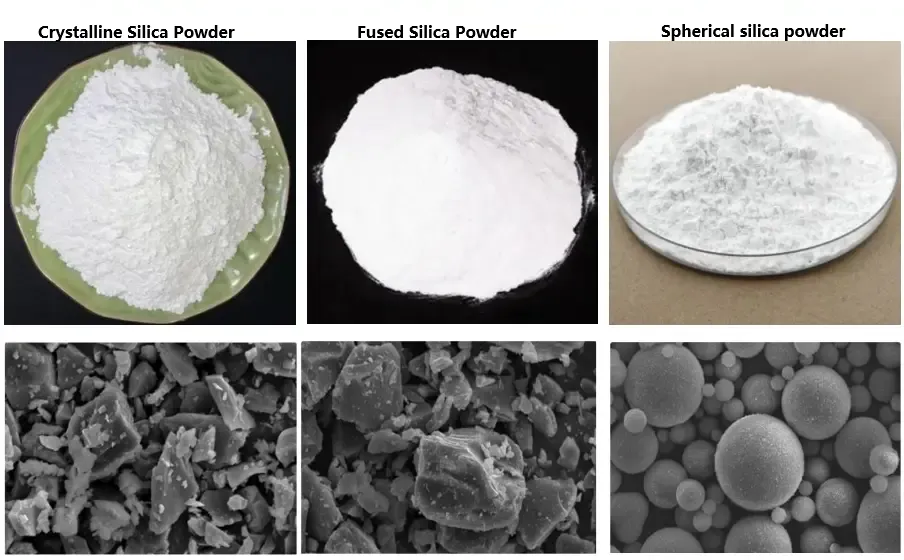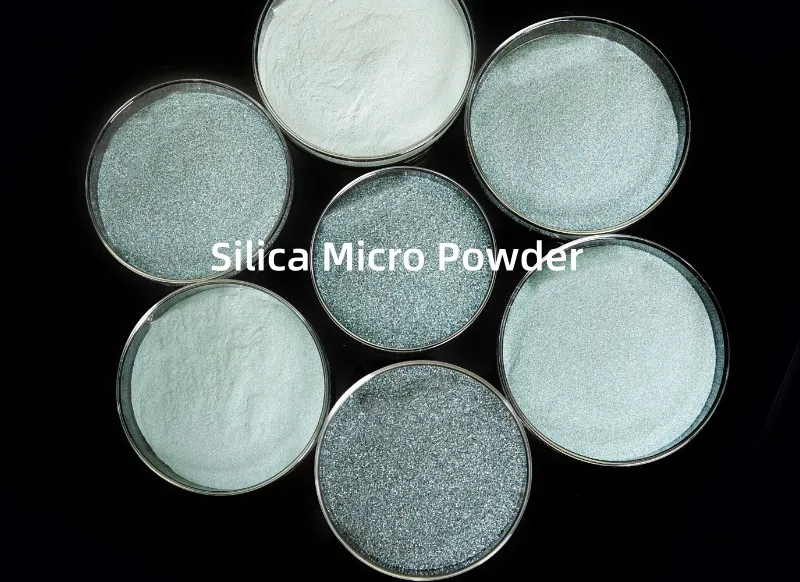
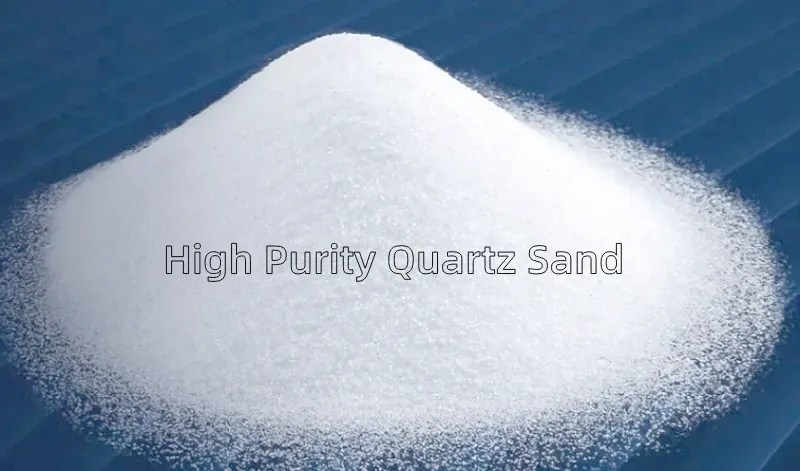
Quartz powder is an important industrial raw material. It is widely used in glass, ceramics, engineered quartz stone slabs, coatings, electronic packaging, and other fields. One of its key quality indicators is whiteness, including blue-light whiteness and fired whiteness. High-whiteness quartz powder usually requires a value above 95, or even higher.
Whiteness directly affects the appearance, light transmittance, and overall grade of the final product. For example, in engineered quartz stone slab production, insufficient whiteness can cause yellowing or color inconsistency. This significantly reduces product competitiveness.
When faced with low whiteness, many quartz powder producers first examine raw ore quality, iron removal processes, or acid leaching purification. However, a critical factor is often overlooked: the choice of liner material in the grinding equipment.
Especially in ball mills or ultrafine grinding stages, liners are in direct contact with both the material and the grinding media. If the liner material is improperly selected, impurities can easily be introduced, leading to a decline in whiteness.
Main Causes of Insufficient Quartz Powder Whiteness
Quartz powder whiteness is mainly influenced by the following factors:
- Raw material impurities
High contents of iron, titanium, and aluminum in the ore are the most common causes.
When Fe₂O₃ exceeds 0.02%, whiteness drops significantly. - Process-related contamination
This includes incomplete magnetic separation, insufficient acid washing, and inadequate classification or impurity removal. - Iron contamination introduced during grinding
This is an often-overlooked “hidden killer.”
During dry or wet ball milling, wear of grinding media (steel balls) and liners releases iron ions. These contaminate the powder, causing whiteness reduction and even gray or yellow discoloration. - Other factors
Uneven particle size distribution, excessive drying temperature, or improper moisture control can also indirectly affect whiteness.
Among these, iron contamination during grinding is the most direct, controllable, yet frequently ignored factor.
Traditional ball mills often use high-manganese steel or high-chromium cast iron liners. While impact-resistant, these liners wear easily. Released iron raises Fe₂O₃ levels and can reduce whiteness by 5–10 points.
Is Choosing the Wrong Grinding Liner One of the Main Reason?
Yes. In many cases, improper liner selection is the direct cause of insufficient whiteness.
- Metal liners (high-manganese steel, high-chromium cast iron)
These liners have good wear resistance. However, when grinding high-hardness quartz (Mohs hardness 7), both liners and steel balls continuously wear.
This introduces iron impurities. In fine grinding chambers, iron contamination accumulates over time, resulting in unstable whiteness. - Ordinary silica stone liners
These are low-cost solutions. However, if the SiO₂ content is below 98% or the color is dark (light gray), they can slightly affect the color tone of high-whiteness products. - Improper media matching
Using steel balls instead of ceramic balls significantly increases iron contamination.
In real production cases, some companies reported that after replacing liners, product whiteness increased from 88 to above 95. The product grade was upgraded immediately.
How to Choose the Right Grinding Liner to Avoid Whiteness Loss
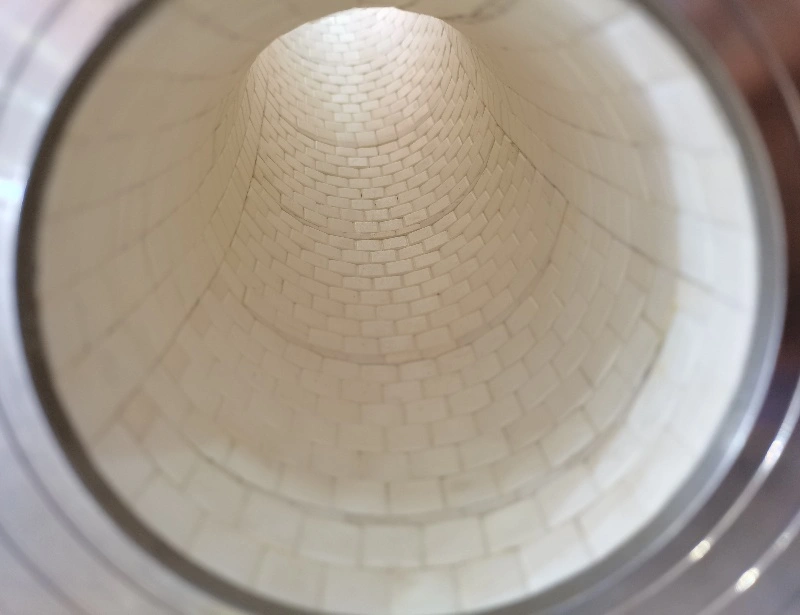
For high-whiteness quartz powder production, liner selection should prioritize iron-free contamination, wear resistance, and high purity. Recommended solutions include:
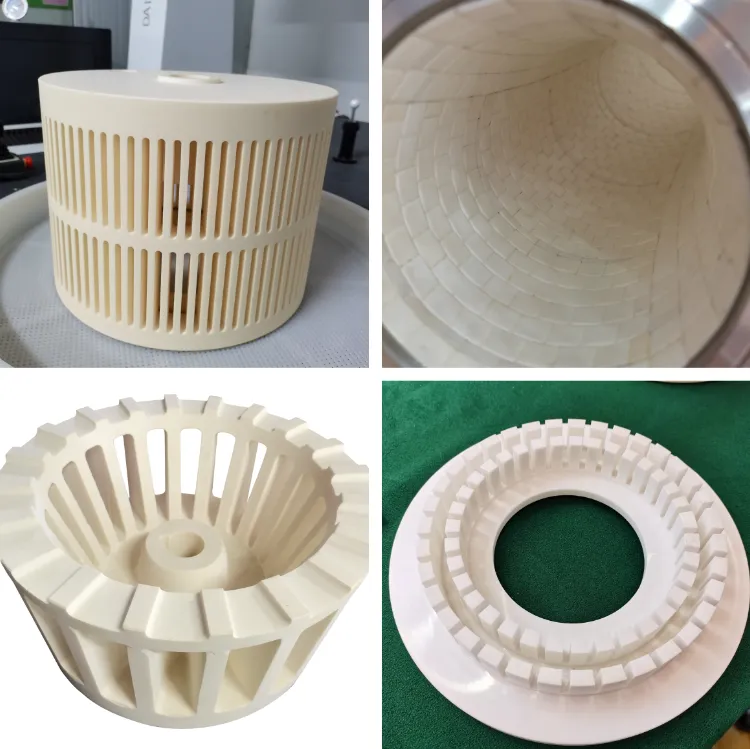
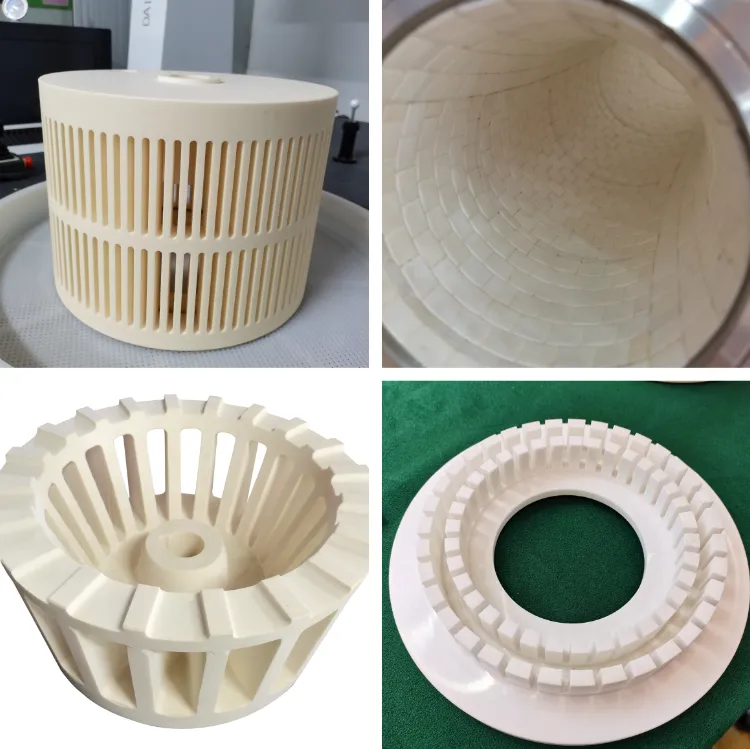
1. Ceramic liners (alumina ceramic or corundum liners)
- Advantages:
Extremely high hardness (Mohs 9), excellent wear resistance, zero iron contamination, and pure white or light color.
These liners maximize protection of product whiteness and purity. - Applications:
Ultrafine quartz powder (above 325 mesh) and high-purity quartz powder. - Recommendation:
Use ceramic balls as grinding media to form a fully ceramic ball milling system.
2. High-purity silica stone liners
- Advantages:
SiO₂ content above 98%, light color, minimal impact on whiteness.
Lower cost than ceramic liners, good wear resistance, and a service life of 3–4 years. - Applications:
Refined quartz sand or powder in the 300–600 mesh range.
A high cost-performance option.
3. Rubber or polyurethane liners
- Advantages:
Vibration and noise reduction, lightweight design.
However, wear resistance is relatively lower. - Applications:
Wet grinding or low-impact operating conditions.
4. Additional optimization measures
- Use air classifiers or wet stirred mills to avoid iron contamination from traditional ball milling.
- Regularly inspect liner wear and replace liners in time.
- Combine magnetic separation and acid leaching in multi-stage iron removal processes.
Ensure Fe₂O₃ ≤ 0.007%.
Conclusion: The Right Liner Makes All the Difference
Insufficient quartz powder whiteness is not always caused by raw materials. In many cases, the grinding liner is the real bottleneck.
In today’s pursuit of high whiteness and high purity, blindly using traditional metal liners is no longer suitable. Producers should select ceramic or high-purity silica liners based on product positioning, whether for standard powders or high-end engineered stone fillers.
The right liner choice stabilizes whiteness, enhances product value, and reduces long-term maintenance costs.
If your quartz powder production line is struggling with whiteness issues, start by checking the liner selection. A small material change can often deliver remarkable improvements.
“Thanks for reading. I hope my article helps. Please leave a comment down below. You may also contact Zelda online customer representative for any further inquiries”
— Posted by Emily Chen