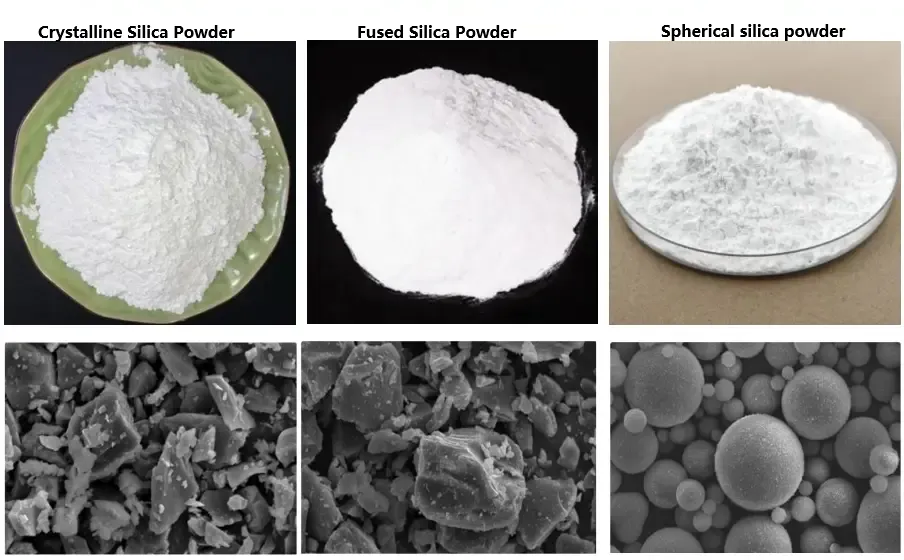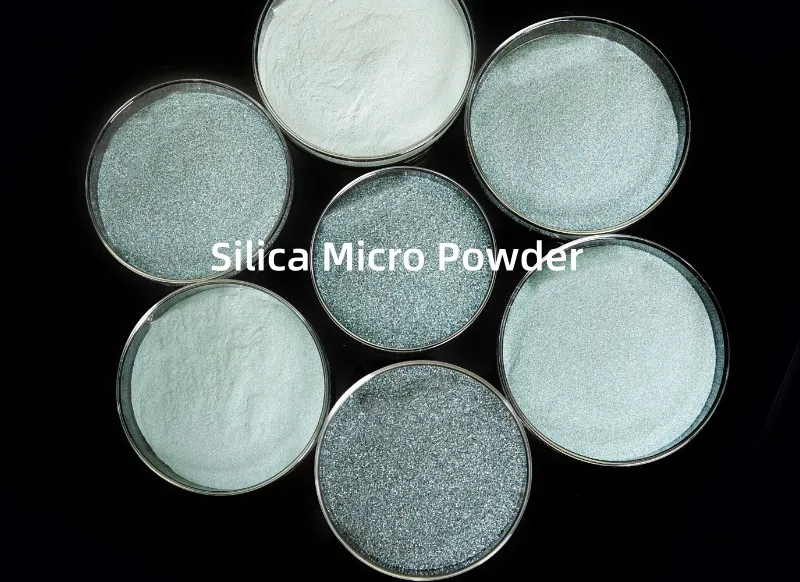
Silica (white carbon black), including precipitated silica and fumed silica, is a high-performance inorganic filler widely used in rubber reinforcement, coating rheology control, and transparent reinforcement of silicone rubber. Silica ultrafine grinding (typically D50 < 10 μm, and even submicron level) directly affects specific surface area, dispersibility, purity, and reinforcing performance.
The most common ultrafine grinding technologies are jet milling and mechanical milling (such as stirred mills, vibration mills, ball mills, and other impact or friction-based mills). Due to their different working principles, these two processes show significant differences in performance when applied to silica.
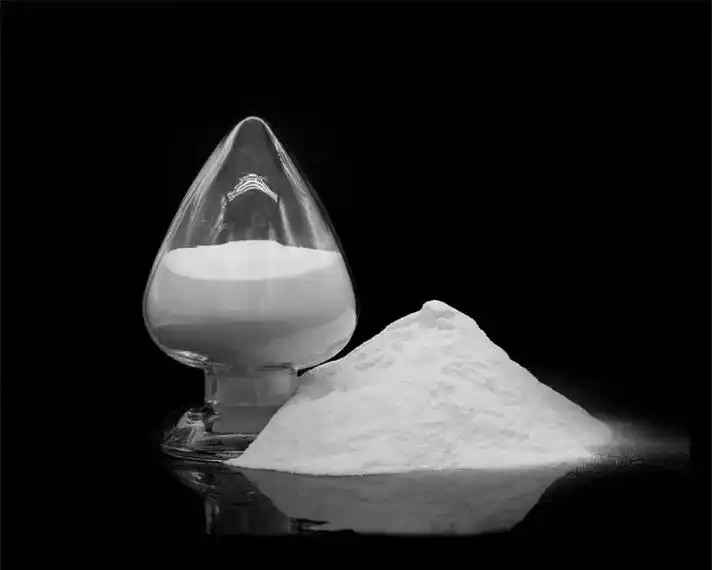
Comparison of Grinding Principles
| Item | Jet Mill (Fluidized-bed opposed jet or flat jet) | Mechanical Mill (Stirred, vibration, impact mills, etc.) |
|---|---|---|
| Grinding principle | Particle–particle collision and friction driven by high-velocity (supersonic) airflow, without mechanical grinding media | Impact, shear, and friction generated by hammers, blades, grinding balls, or agitators |
| Temperature control | Low-temperature grinding (cooling via Joule–Thomson effect), almost no heat accumulation | Significant heat generation due to mechanical friction (95–99% of energy converted into heat) |
| Product purity | No media contamination, high purity (especially suitable for high-purity silica) | Risk of metal or media contamination; requires wear-resistant liners |
| Particle size distribution | Narrow distribution, regular particle shape, high sphericity, smooth surface | Wider distribution, prone to irregular particles and excessive fines |
| Applicable hardness | Suitable for materials with Mohs hardness < 9; excellent wear resistance | Best for low-hardness materials; severe wear when processing harder materials |
| Energy consumption | Relatively high (compressed air consumption) | Lower (suitable for large-scale production) |
| Throughput | Medium (hundreds of kg/h to t/h per unit) | High (suitable for mass production) |
Advantages of Jet Milling for Silica Ultrafine Grinding
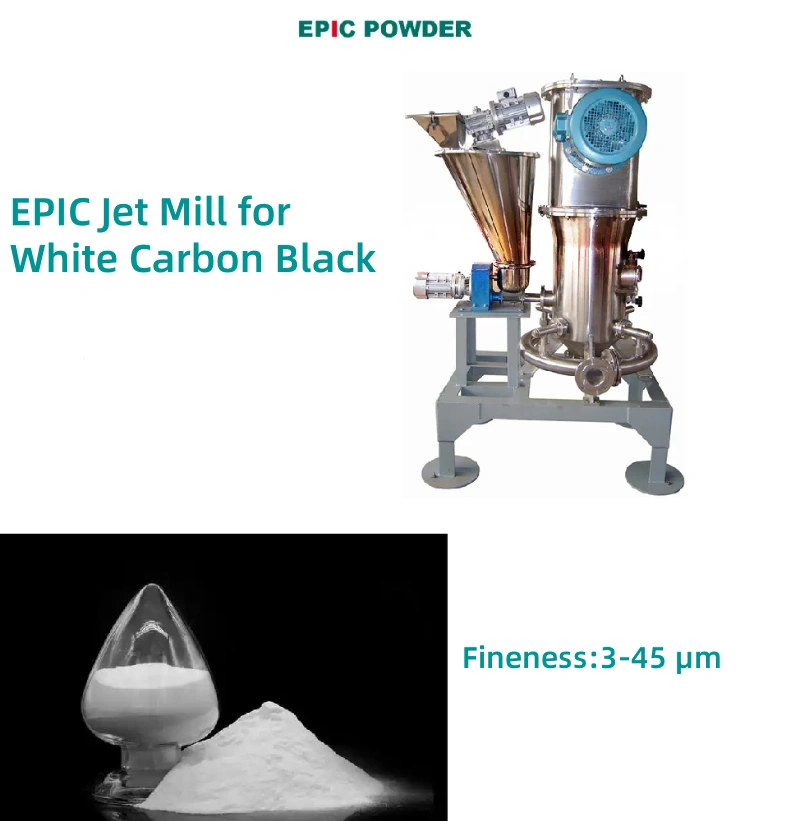
Silica—especially fumed silica or high-purity precipitated silica—has extremely high requirements for purity, dispersibility, and thermal sensitivity. As a result, jet mills have become the mainstream choice in the industry for the following reasons:
High Purity, No Contamination
Silica surfaces are rich in silanol (Si–OH) groups and easily adsorb impurities. Jet milling involves no direct contact between mechanical parts and the material, effectively avoiding iron ions or other metallic contamination. This ensures SiO₂ purity above 99.8%, making it ideal for silicone rubber, green tires, and electronic packaging materials.
Low-Temperature Grinding, Preserving Surface Activity
Mechanical milling generates high temperatures that can cause dehydration of surface silanol groups or structural changes, reducing reinforcing efficiency. Jet milling is an instantaneous process with minimal temperature rise, and can even operate under low-temperature conditions, preserving surface activity and improving reinforcement and dispersion in rubber applications.
Excellent Particle Size Control
Jet mills can precisely achieve D50 of 1–10 μm, or even submicron sizes, with narrow particle size distribution and high particle sphericity. This is critical for transparency and reinforcement in silicone rubber and for low rolling resistance in tires.
Industrial cases show that silicone rubber reinforced with jet-milled silica can achieve more than a 40-fold increase in tensile strength.
Superior Wear Resistance and Equipment Life
Silica has relatively high hardness (Mohs 4–7). Mechanical mills suffer from severe wear, while jet mills rely on particle self-collision, resulting in longer equipment life and lower maintenance.
Industry validation:
Many manufacturers (such as , EPIC Powder, etc.) use fluidized-bed jet mills (e.g., MQW series) to process silica, achieving D97 < 30 μm, high specific surface area, and excellent reinforcing performance.
Limitations and Suitable Applications of Mechanical Mills
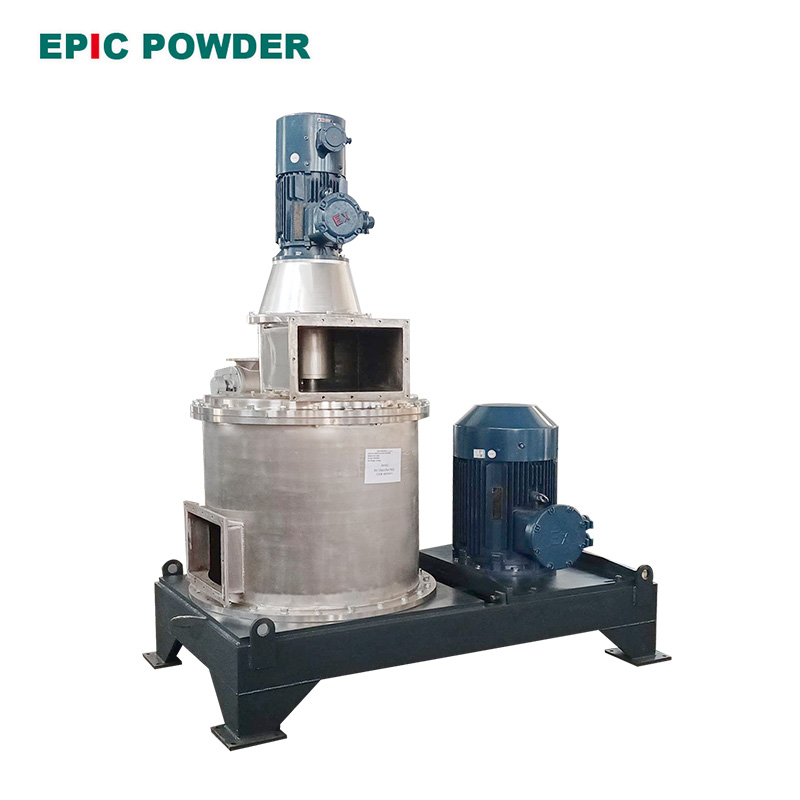
Mechanical mills feature lower energy consumption and higher throughput, making them suitable for primary grinding or low-end applications, but they show clear disadvantages in ultrafine silica grinding:
- High contamination risk: Wear of grinding media or liners introduces impurities, affecting purity and color in high-end rubber applications (e.g., green tires).
- Strong thermal effects: High temperatures promote agglomeration and surface deactivation, reducing specific surface area and adsorption capacity.
- Non-uniform particle size: Excessive fines and irregular particles lead to poor dispersion.
- Severe equipment wear: High abrasiveness of silica increases maintenance costs.
Mechanical mills are therefore better suited for coarse grinding of low-hardness non-metallic minerals or as pre-grinding equipment upstream of jet mills.
Conclusion: Jet Milling Is the Better Choice for Silica Ultrafine Grinding
For silica ultrafine grinding requiring high purity, narrow particle size distribution, low-temperature operation, and zero contamination, jet milling is undoubtedly the superior solution. It has become the preferred process for silica used in silicone rubber reinforcement, green tires, and high-end coatings.
Although jet mills have higher energy consumption, their economic advantages continue to improve as demand grows for high value-added products, such as nano-grade fumed silica.
If silica is intended for general filler applications or large-volume, low-end markets, mechanical mills can serve as a cost-effective alternative. However, for high-end ultrafine grades (especially D50 ≤ 10 μm), an integrated jet milling and classification system is strongly recommended.
For specific equipment selection or case studies, please feel free to consult Epic Powder-a professional powder equipment supplier.

“Thanks for reading. I hope my article helps. Please leave a comment down below. You may also contact Zelda online customer representative for any further inquiries.”
— Posted by Emily Chen