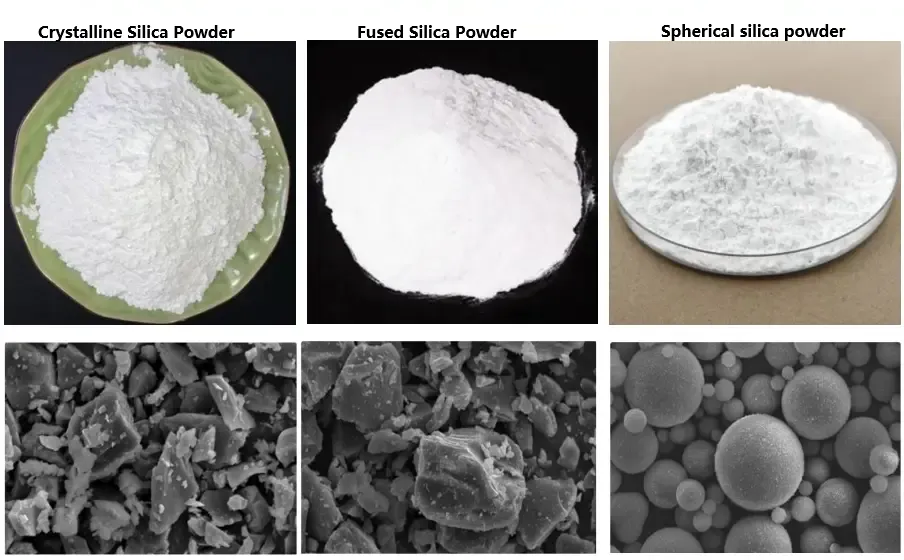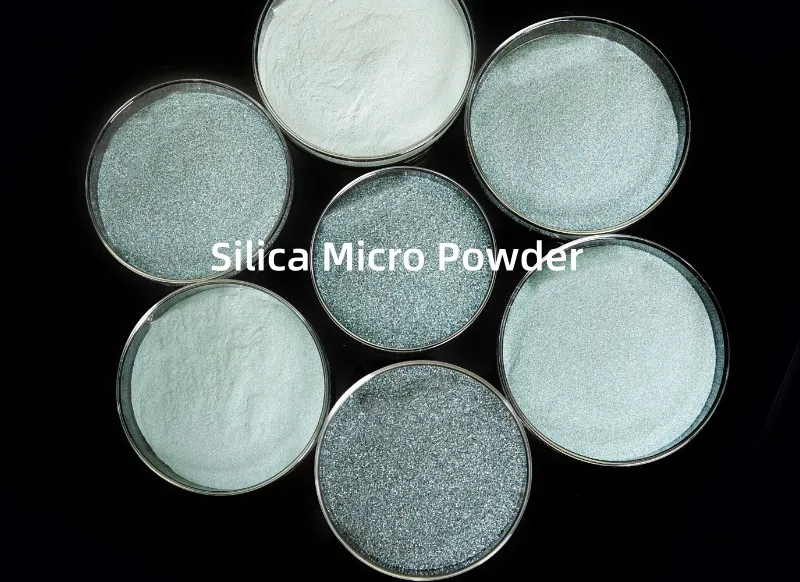
High-purity quartz (HPQ) is a refined form of silica (SiO₂) known for its extremely low impurity levels. It’s essential in industries like semiconductors, solar energy, optics, and specialty glass, where purity directly impacts product performance.
Geological and Chemical Characteristics of HPQ Raw Materials
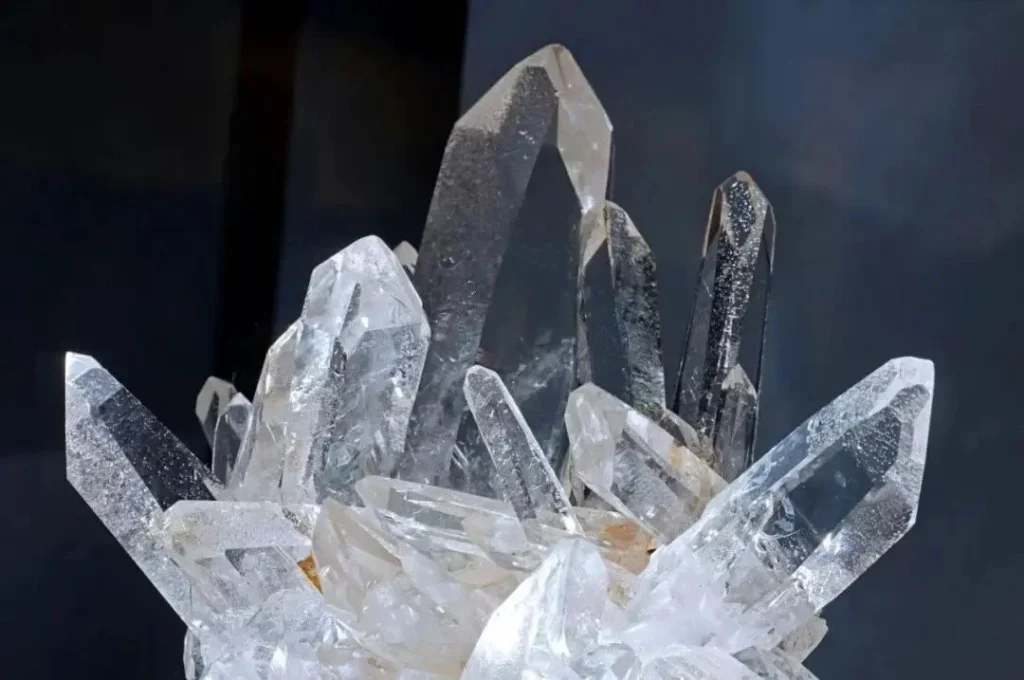
HPQ is sourced mainly from three types of quartz deposits:
| Source Material | Description | Purity Features |
|---|---|---|
| Pegmatite | Coarse-grained igneous rock | Low impurities, large crystals |
| Vein Quartz | Quartz filling fractures and fissures | Very high purity, fewer inclusions |
| Quartzite | Metamorphosed sandstone | High hardness, low organic content |
Each source presents unique challenges and benefits based on mineral composition and ease of grinding.
Types of Impurities in HPQ
Impurities in quartz can affect final purity and processing efficiency:
- Mineral Inclusions: Other minerals trapped inside quartz crystals.
- Lattice-Bound Elements: Trace metals like aluminum, titanium, or iron within the quartz structure.
- Surface Contaminants: Dust, adsorbed metals, or organic residue on particle surfaces.
Controlling these impurities is crucial, especially for semiconductor-grade quartz.
Grinding Objectives for HPQ
Grinding isn’t just size reduction; it’s a precise process with clear goals:
- Monomer Liberation: Free quartz particles from mineral inclusions.
- Controlled Particle Size Distribution (PSD): Achieve specific ranges to match end-use requirements.
- Minimize New Impurities: Avoid metallic contamination (iron, chromium, nickel) from equipment wear.
Quartz Sand vs. Ultrafine Powder Grinding
- Quartz Sand Production
- Particle sizes: 100–300 μm roughly
- Common in glassmaking and some solar applications
- Ultrafine Powder Grinding
- Particle sizes: often with D50 between 5–30 μm
- Needed for semiconductor crucibles, optics, and specialty fillers
Each application demands tailored grinding to balance purity, PSD, and throughput.
In essence, understanding the source and impurity landscape of high-purity quartz guides the grinding approach. Achieving optimal particle sizes while keeping contamination minimal is key to meeting the tight purity standards required for advanced applications.
Purity Standards for Ground High-Purity Quartz
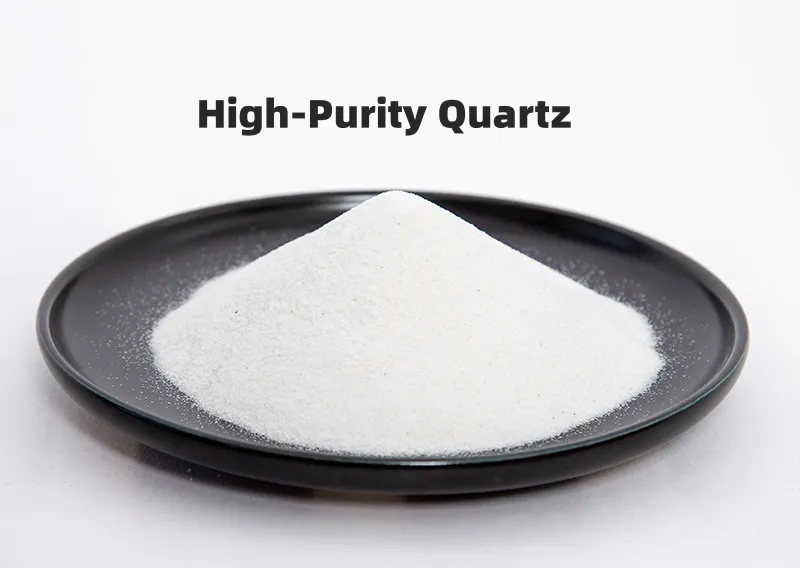
High-purity quartz grinding must meet strict purity standards to suit various high-end applications. Industry grades are often denoted as 3N, 4N, 4N5, 4N8, and 5N+, indicating the SiO₂ content purity level—from 99.9% up to 99.999% or more. Along with high silica content, these grades specify maximum allowable impurities like iron, aluminum, titanium, and alkali metals to ensure material performance.
Different applications demand tailored purity and particle size requirements:
- Semiconductor crucibles require ultra-low levels of aluminum, titanium, and alkali metals, plus a very tight particle size distribution (PSD) for flawless melting and device fabrication.
- Photovoltaic and solar industries focus on strict limits for iron, boron, and phosphorus, with precise particle sizes suited for crucible feedstock to maximize ingot quality.
- Optics and fiber production need quartz with exceptional optical clarity and very low trace metal content.
- Fillers and specialty glass demand a narrow PSD and high whiteness to meet aesthetic and functional criteria.
To verify these purity levels after grinding, advanced analytical methods are essential, including:
- ICP-OES (Inductively Coupled Plasma Optical Emission Spectrometry) for trace element measurement.
- XRD (X-ray Diffraction) to confirm crystalline phases and detect impurities.
- SEM-EDS (Scanning Electron Microscopy with Energy Dispersive X-ray Spectroscopy) for surface and elemental analysis.
Global benchmarks like IOTA grades set typical parts per million (ppm) limits for key impurities, guiding manufacturers in meeting international quality standards. Ensuring compliance with these purity standards is critical to producing high purity quartz powder that matches rigorous industrial needs.
For a detailed look at the mining and preparation of the starting materials that define your quartz purity, check out our guide on what kind of ore can produce high purity quartz.
Optimal Particle Sizes and Distributions in HPQ Grinding
Achieving the right particle size distribution (PSD) is crucial in high purity quartz grinding. Typical target sizes vary based on application:
- Coarse sand: 100–300 μm (about 50–140 mesh), commonly used for general industrial purposes.
- Fine sand: 0.1–0.6 mm range, often tailored for photovoltaic (PV) feedstock.
- Ultrafine powders: D50 in the 5–30 μm range, essential for advanced optics, semiconductors, and specialty glass.
A narrow PSD with minimal fines or slimes is key to preventing issues like poor coating adhesion or uneven melting downstream. Over-grinding can create too many fines, causing processing problems and material loss.
When grinding, it’s important to balance intensity to reach the liberation size—the point at which impurities and inclusions are exposed and can be removed—without excessive energy use or further contaminant release. Proper control over PSD directly impacts downstream treatments like magnetic separation, acid leaching, and calcination, ensuring better flowability, higher packing density, and uniform melting behavior.
For ultrafine powders, contamination-free grinding with precise PSD control is vital. Technologies like the advanced quartz jet mill grinding systems at Epic Powder offer integrated classification to meet these tight specifications, helping your process maintain purity and consistent particle size. You can explore more on our ultrafine grinding of silica micropowder for detailed insights.
Equipment for High-Purity Quartz Grinding: Selection and Best Practices
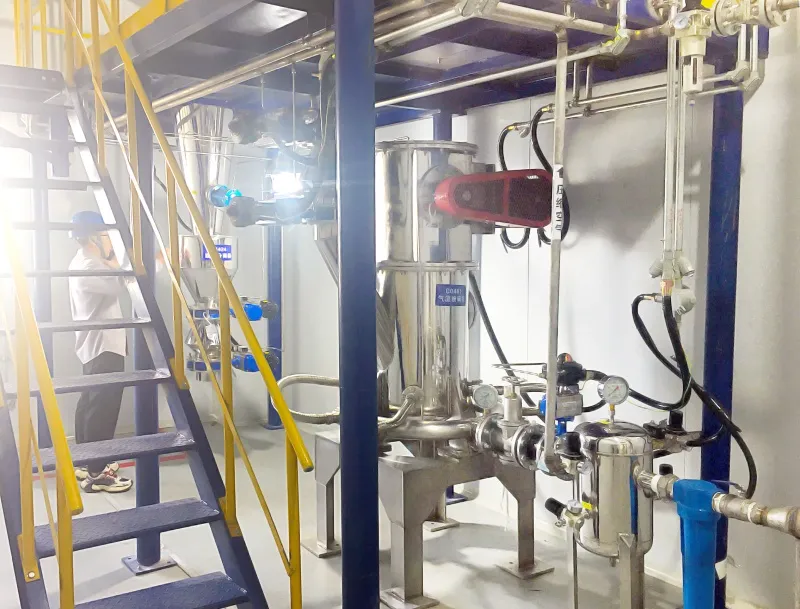
Choosing the right equipment is crucial for producing high-purity quartz powder without adding contamination. The primary crushing stage typically uses jaw or cone crushers fitted with wear-resistant liners to handle hard quartz materials while minimizing metal wear.
For secondary grinding, options include ball mills and rod mills lined with ceramic or high-purity quartz to avoid introducing impurities. However, for ultrafine grinding where purity is critical, air jet mills—such as fluidized bed opposed jet or target jet mills—are preferred. These mills provide contamination-free quartz jet mill grinding and ensure precise control over particle size distribution. Stirred or attritor mills with high-purity media can be used when specific grind characteristics are needed.
Key features for high-purity quartz (HPQ) grinding equipment include the use of non-metallic linings and grinding media made from zirconia, alumina, or quartz. Some setups also use inert gas atmospheres to reduce oxidation and contamination risks. Integrated classification systems like air classifiers, hydrocyclones, and vibrating screens help maintain narrow particle size distribution (PSD) with closed-circuit operation, which improves efficiency and product consistency.
Contamination control is a top priority—selecting materials that resist wear and following strict pre-cleaning protocols are essential. Continuous wear monitoring further ensures impurity levels remain low throughout production.
Epic Powder specializes in integrated jet milling and classification lines designed specifically for high-purity quartz. Their advanced systems deliver near-zero metal pickup and customizable PSD control, making them ideal for industries requiring premium quartz powders. For detailed insight into these solutions, check out the Epic Powder jet mill’s role in achieving precise ultrafine silica powder grinding. Also, explore how their quartz air jet mill grinding and classification production lines optimize HPQ powder production.
The High-Purity Quartz Grinding Process Step-by-Step
Grinding high-purity quartz (HPQ) begins with careful pre-treatment, focusing on raw ore selection to ensure the best starting material. This stage includes crushing and scrubbing to remove surface impurities, followed by initial purification methods like magnetic separation and flotation to eliminate iron and other unwanted minerals.
Next comes thermal pre-processing—calcination paired with water quenching. This step cracks mineral inclusions within the quartz, improving grindability and helping achieve a more consistent particle size distribution.
The main grinding circuit is where the magic happens. Key factors include precise feed control and optimized mill parameters such as speed, media size and loading, and residence time for each batch. In-line classification and recirculation of oversize particles ensure a tight PSD, vital for applications demanding ultra-fine powders with minimal contamination risks. For contamination-free quartz grinding, air jet mills and other advanced equipment with wear-resistant linings are ideal. If you’re interested, explore our overview on the best grinding mill for quartz powder to see how equipment choices impact purity and particle size control.
Post-grinding steps include de-ironing treatments and acid leaching—or greener alternative purification methods—to remove residual impurities. This is followed by thorough washing, drying, and a final classification stage to meet strict purity and PSD standards.
Depending on whether you’re producing quartz sand or ultrafine powder, the processing flowsheet varies but remains integrated, focusing on maximizing yield and energy efficiency. These measures ensure that every gram of high purity silica grinding process delivers consistent quality while minimizing waste and operational costs.
For a closer look at a complete setup, check out our detailed high-purity quartz powder air classifier plant in Greece, showcasing an integrated approach to classification and grinding tailored for HPQ production.
Challenges and Solutions in HPQ Grinding
Grinding high-purity quartz comes with some clear challenges that can impact both quality and cost. One big issue is quartz’s natural abrasiveness. This tends to wear down grinding equipment quickly, which can introduce unwanted metallic impurities like iron, chromium, and nickel into your powder. Choosing wear-resistant, non-metallic linings and grinding media—such as alumina or zirconia—is essential to tackle this contamination risk and maintain quartz purity.
Another key challenge is over-grinding. Excessive grinding creates too many fines and slimes, which complicate downstream processing and reduce overall recovery. To avoid that, it’s crucial to maintain a well-controlled particle size distribution (PSD) by optimizing mill speed, media size, and classification. Fine-tuning these parameters prevents wasteful energy use and ensures consistent product quality.
Maintaining the quartz lattice’s integrity during mechanical grinding is also vital. Aggressive processing can damage crystal structures, leading to reduced purity and performance. That’s why integrating gentle pre-treatment steps like thermal calcination and water quenching helps ease grinding intensity, improving liberation without degrading lattice purity.
On the bigger picture, scalability and sustainability are critical too. Industry demand pushes for reducing chemical consumption, minimizing energy use, and managing wastewater responsibly. Innovative approaches like microwave-assisted or ultrasound-enhanced grinding methods show promise by increasing efficiency and cutting environmental impact.
For contamination control and particle size consistency in ultrafine quartz powder production, sophisticated equipment like integrated jet milling and air classifier systems are recommended. These help maintain near-zero metal pickup while targeting precise PSD ranges critical for high-performance HPQ applications. You can learn more about solving purity and agglomeration issues in ultrafine grinding in the detailed guide on particle agglomeration and purity assurance in silica grinding.
Balancing these technical challenges with smart solutions is key to producing high-purity quartz that meets global standards while being cost-effective and eco-friendly.
Quality Control, Testing, and Packaging
Maintaining strict quality control during high-purity quartz grinding is essential to meet industry standards and application requirements. In-process monitoring uses real-time particle size distribution (PSD) analysis and contamination checks to ensure consistency and prevent quality dips early in production. This helps us spot any deviations quickly — from unexpected fines generation to traces of iron or other impurities.
Final product testing protocols rely on advanced techniques such as ICP-OES, XRD, and SEM-EDS to verify purity levels and elemental composition. These methods confirm that the quartz powder meets tight specifications for applications like semiconductor grade quartz sand or photovoltaic crucible feedstock.
Packaging also plays a critical role in preserving the powder’s purity. Best practices include vacuum sealing or using an inert atmosphere to prevent re-contamination from moisture, dust, or airborne metals during storage and shipping. Proper packaging ensures the high purity quartz powder arrives in the exact condition you expect, ready for ultra-clean manufacturing processes.
For detailed guidance on controlling grinding steps and ensuring contamination-free quartz powder, check out our insights on how to control each step in spherical silicon micropowder production.
Applications and Case Studies of High-Purity Quartz Grinding
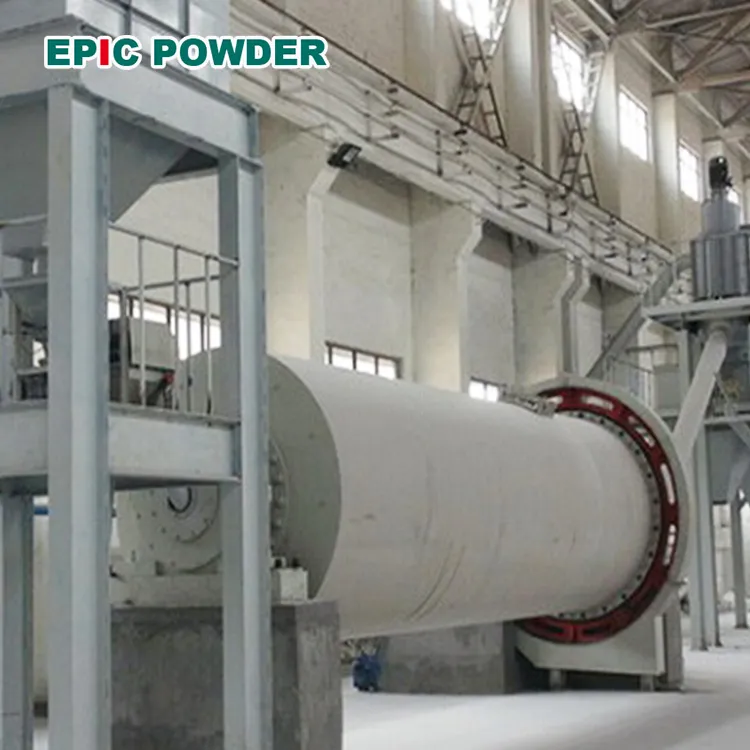
High-purity quartz powder plays a vital role across several advanced industries. In semiconductor crucibles, ground HPQ with ultra-low impurities like Al, Ti, and alkali metals ensures stable melting and pure crystal growth, critical for maintaining device performance. Precise control of the particle size distribution (PSD) directly affects the packing density and melting uniformity of these crucibles, ultimately improving yield.
For solar ingot production, particularly in photovoltaic applications, HPQ powders ground to specific PSDs (typically 0.1–0.6 mm) with minimal Fe, B, and P impurities help produce high-efficiency solar cells. The finely tuned grinding parameters ensure the quartz feedstock enables uniform melting and high purity, enhancing module lifespan and performance.
In high-performance fillers and specialty glass, narrow and consistent particle sizes improve whiteness and optical clarity, key for premium-quality products. The grinding method impacts the powder’s flowability and dispersion in composite materials, influencing the strength and finish.
These examples show how selecting the right grinding equipment and maintaining strict purity standards can dramatically boost your product’s performance and process efficiency. For deeper insight into how quartz powder grinding contributes to structural integrity in ceramics and other materials, explore the detailed analysis in our article on how quartz powder grinding creates the skeleton of high-strength ceramics.
Why Choose Epic Powder for Your High-Purity Quartz Grinding Needs
Epic Powder stands out with its advanced jet milling and classification systems designed specifically for high-purity quartz grinding. Our technology ensures grinding with ultra-low contamination, meeting the strict requirements for high-purity quartz powder production.
| Feature | Benefit |
|---|---|
| Jet milling + classification | Precise, customizable particle size distribution (PSD) control |
| Non-metallic wear parts | Contamination-free quartz grinding with minimal iron, chromium, and nickel pickup |
| High throughput design | Efficient processing for large-scale HPQ production |
| Integrated system | Streamlined operation reduces energy and downtime |
Why Epic Powder?
- Superior contamination control: Using ceramic and quartz-lined mills along with optimized classification, we minimize impurity introduction, critical for semiconductor-grade quartz and other ultra-pure applications.
- Customizable PSD: Tailor grinding to meet specific needs, whether you require coarse sand or ultrafine powders with narrow particle size distribution.
- Proven performance: Our solutions have delivered reliable purity and particle control for complex materials like photovoltaic quartz crucible feedstock and optical-grade quartz.
Support Services
- Process optimization: We analyze your feedstock and production goals to fine-tune grinding parameters.
- Pilot testing: Test runs with your material ensure best results before full-scale operation.
- Turnkey solutions: From equipment supply to commissioning, we support every step for your high-purity silica grinding process.
Explore Epic Powder’s specialized approach through our ultrafine quartz powder solution with jet mill technology to see how we deliver high-quality, contamination-free quartz powders tailored for demanding industries.

“Thanks for reading. I hope my article helps. Please leave a comment down below. You may also contact Zelda online customer representative for any further inquiries.”
— Posted by Emily Chen