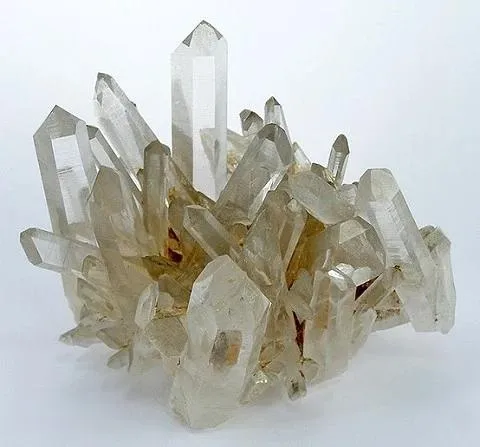
Artificial quartz stone has become the dominant surfacing material for home decor and commercial spaces worldwide. Typically, its composition consists of 90% – 93% quartz sand/powder mixed with 7% – 10% polymer resin, along with specific pigments.
However, in actual industrial production, simply mixing raw quartz powder with resin often leads to problems. These include slab cracking, color bleeding, yellowing, or insufficient structural strength. To solve these pain points, “Modified Quartz Powder” was developed. It has now become the “industry standard” for the production of mid-to-high-end quartz stone.
The Core Pain Point: The “Incompatibility” Between Inorganic Minerals and Organic Polymers
To understand why modification is necessary, we must first look at the differences in the physical and chemical properties of quartz powder (inorganic) and resin (organic):
- Polarity Incompatibility: Quartz powder surfaces contain a large number ofhydrophilic hydroxyl groups (—OH). This makes it a strongly polar substance. In contrast, commonly used resins, such as unsaturated polyester resins, are lipophilic and hydrophobic substances. The two are as difficult to merge as “oil and water.”
- Weak Adhesion: Without modification, the resin merely “wraps” around the quartz powder rather than “grabbing” it. When the slab is subjected to heavy pressure or temperature changes, delamination easily occurs at the interface. This ultimately leads to slab cracking.
- High Oil Absorption Value: Unmodified powder has high surface energy and easily absorbs more resin. This means that to maintain fluidity during processing, producers must increase the amount of expensive resin. This leads to rising costs and a decrease in the final hardness of the slab.
The Four Core Values of Modified Quartz Powder
Modification usually refers to the surface coating treatment of quartz powder using a silane coupling agent. This modification acts like a “molecular bridge” between the quartz powder and the resin.
A. Establishing Chemical Bonding: From “Coating” to “Fusion”
One end of the silane coupling agent can react with the hydroxyl groups on the surface of the quartz powder to form a solid covalent bond. The other end contains an active group that reacts specifically with the resin.
- The Result: The quartz powder and resin transform from a simple mechanical mixture into a chemically unified body. This greatly improves the flexural strength and impact resistance of the slab.
B. Reducing Oil Absorption: Achieving “High Loading”
Through surface modification, the quartz powder changes from hydrophilic to lipophilic. This reduces the surface tension.
- The Advantage: The powder achieves better wettability and more uniform dispersion within the resin. This allows producers to reduce the resin ratio (even below 7%) while maintaining processing fluidity. This significantly lowers production costs while increasing the hardness and wear resistance of the slab.
C. Enhanced Anti-Permeability and Stain Resistance
Unmodified artificial stone slabs often have microscopic interface gaps internal.
- The Function: Modified powder binds tightly with the resin, eliminating these micro-pores. This prevents colored liquids like coffee or soy sauce from penetrating the interior of the slab. It ensures long-term cleanliness and maintenance.
D. Improved Weatherability and Anti-Aging
Modification treatment effectively isolates the interface from moisture erosion. This prevents the resin from peeling, yellowing, or becoming brittle in humid environments.
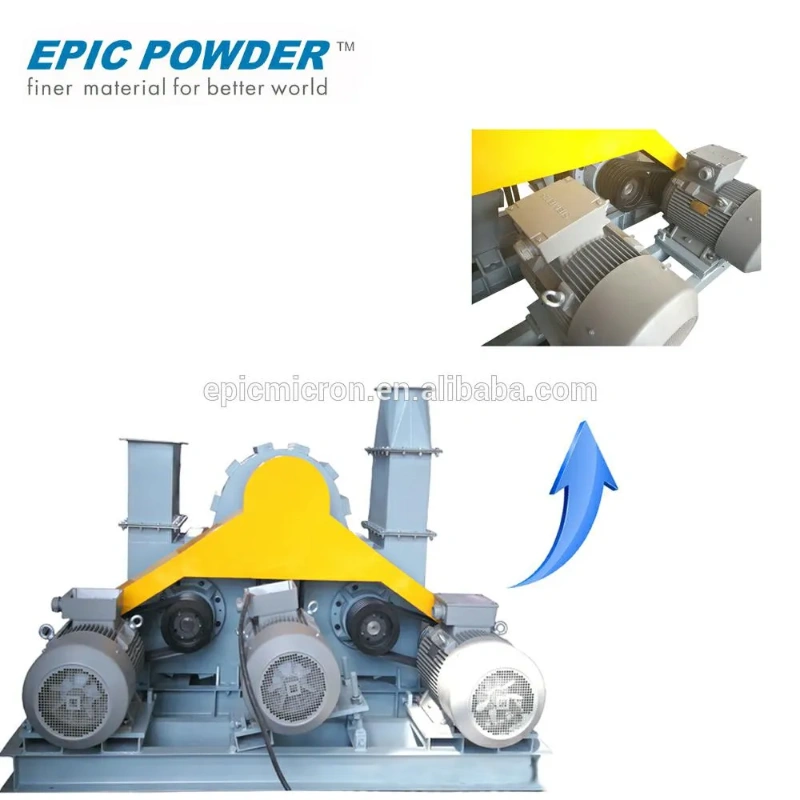
The Key to Modification: How to Produce High-Quality Modified Quartz Powder?
High-quality artificial stone depends not only on the mineral source but also on the coating rate and uniformity of the modification. This places extremely high requirements on the processing equipment.
A. Technical Path of Surface Coating
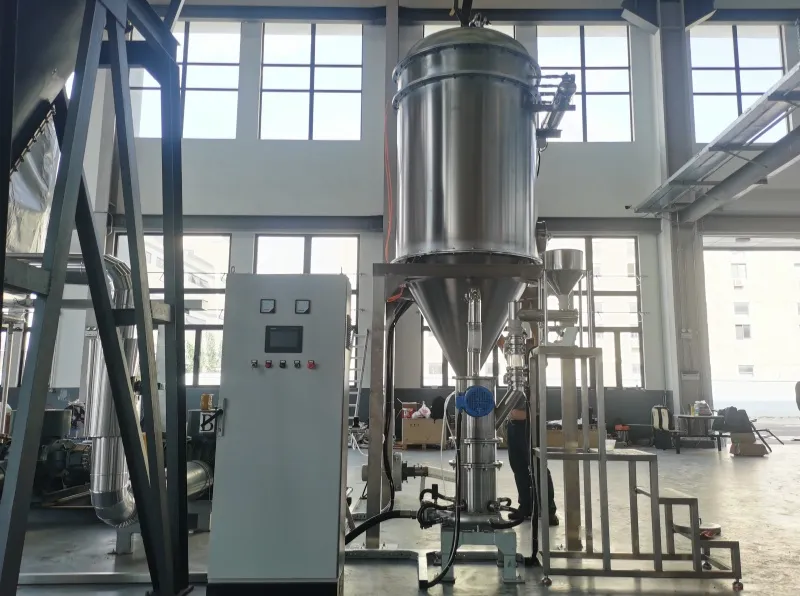
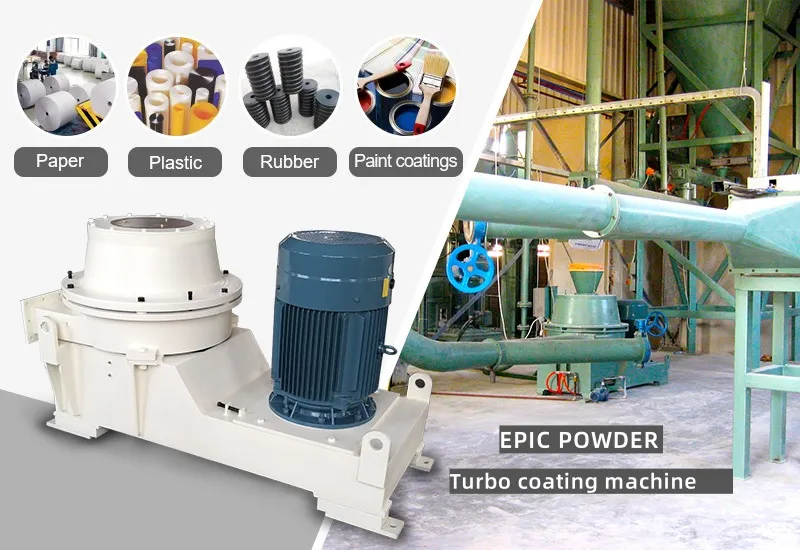
The industry currently favors the dry modification process. Ultra-fine quartz powder is fed into a coating machine. While under high-speed agitation, an atomized modifying agent is sprayed in. The agent uses thermal and mechanical energy to align and form a film on the powder surface.
B. Recommended Equipment Selection
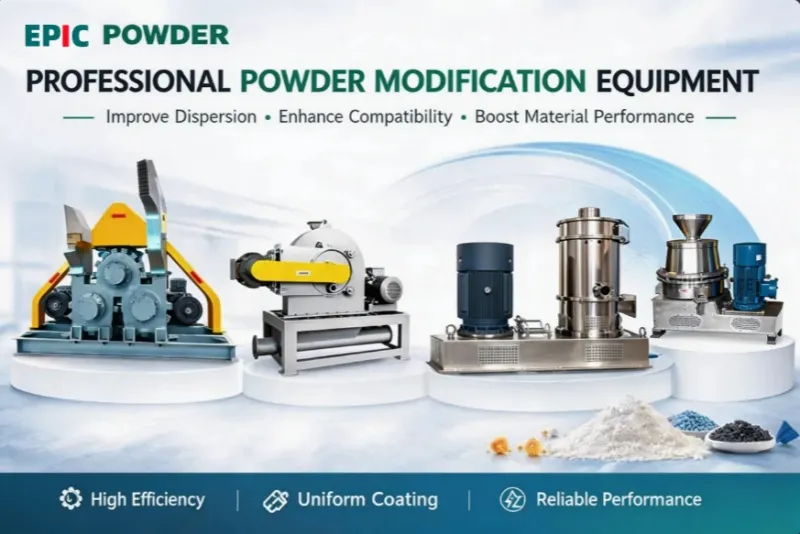
For quartz powder of different fineness, Epic Powder provides targeted solutions:
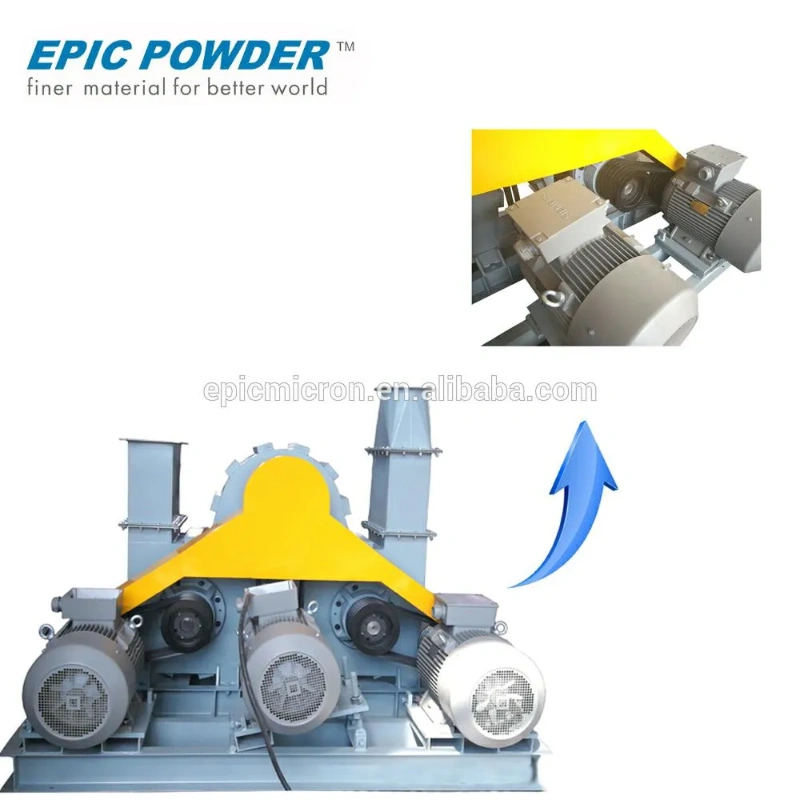
- For General Fineness (325 mesh – 600 mesh): A continuous coating modification machine is used. The high-speed rotor generates intense turbulence. This allows the powder and the modifying agent to complete the coating process within seconds. It offers high output and low energy consumption.
- For Ultra-Fine Quartz Powder (Above 1250 mesh): We recommend integrated processing using the air jet mill. The modifying agent is injected online during the grinding process. This takes advantage of the powder’s “freshly broken surface,” where activity is highest, to achieve the best modification effect.
Industry Pitfall Guide: Not All Modified Powders are Equal
When purchasing modified quartz powder or modifying it in-house, pay attention to these three points:
- Activation Rate Testing: A simple check is the “water floating test.” Well-treated modified quartz powder should have strong hydrophobicity. It should float on the water surface without sinking or becoming wet.
- Selecting the Right Modifying Agent: Different silane groups (suffixes) must be selected for unsaturated polyester resins, epoxy resins, or acrylic systems. Using the wrong agent can cause the slab to discolor after long-term storage.
- Side Effects of Over-Modification: More modifying agent is not always better. An excess of coupling agent can actually create a “lubricating layer” at the interface. This leads to a decrease in structural strength.
Future Trends: Functionalization and Sustainability
As market requirements for artificial stone increase, modified quartz powder is evolving in several directions:
- Antibacterial Modification: Inorganic antibacterial agents (such as silver-loaded agents) are added during modification. This gives the slab permanent antimicrobial properties.
- Matte/Soft-Touch Modification: Through surface morphology reshaping, a “skin-friendly” matte effect—which is currently very popular—can be achieved.
- Low-Energy Modification: Advanced integrated fine classification and coating equipment (such as Epic Powder’s air-flow coating technology) is being used. These systems increase modification consistency while reducing the use of chemical additives.
Conclusion
The competition in the artificial stone industry is essentially a competition of powder surface engineering. Modified quartz powder does more than just solve the compatibility problem between inorganic minerals and organic resins. It is the core tool for improving physical performance and reducing production costs.
For slab manufacturers, choosing professional modification equipment and establishing a rigorous management system for modification indicators is the only way to create products with international competitiveness.
About Epic Powder:
We specialize in ultra-fine grinding and surface modification technologies for non-metallic minerals such as quartz, calcite, and battery materials. Through our MJW series classifier mills and high-efficiency coating systems, we help global customers achieve high-activity, high-uniformity powder production.

“Thanks for reading. I hope my article helps. Please leave a comment down below. You may also contact Zelda online customer representative for any further inquiries.”
— Posted by Emily Chen