Q1: What is Silica Micropowder?
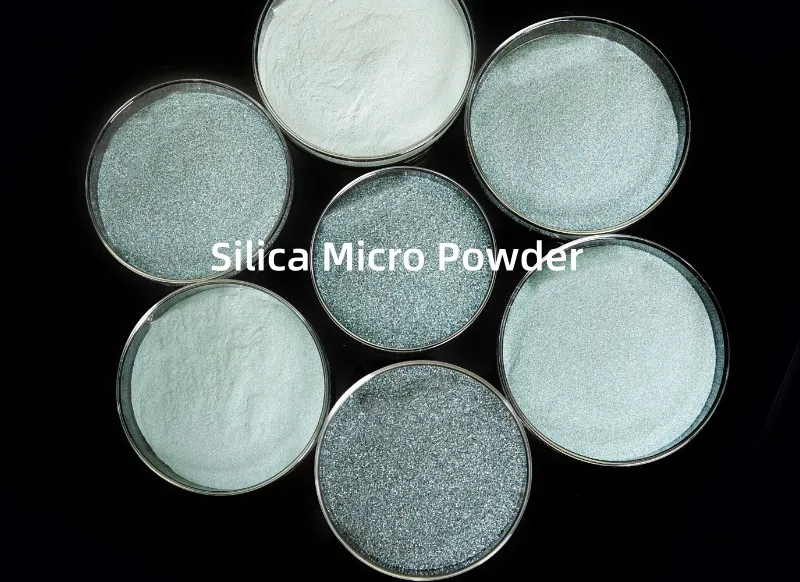
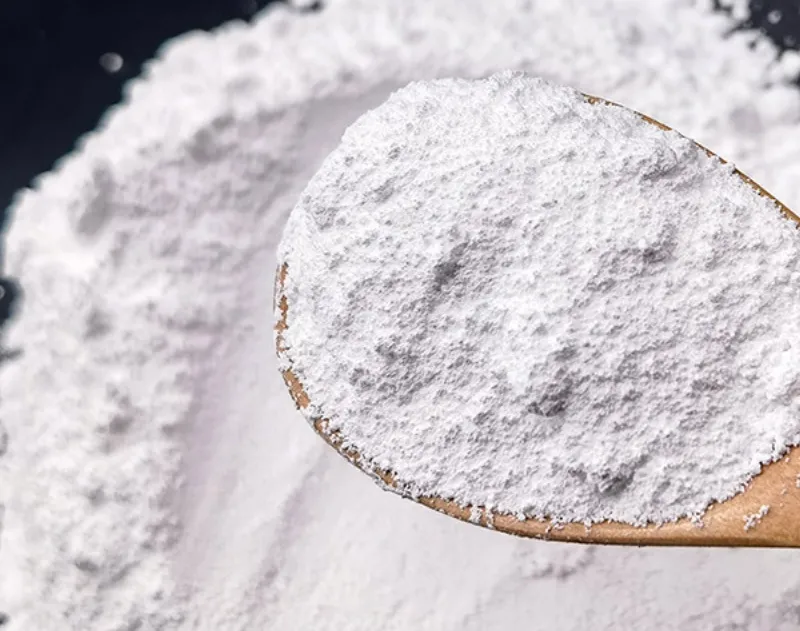
A: Silica micropowder is a high-purity inorganic non-metallic powder primarily composed of silicon dioxide (SiO₂). It is produced from natural quartz or fused silica through crushing, classification, and purification processes.
Typical particle sizes range from 1–100 μm, and the particles are irregular or spherical in shape. Silicon micropowder is known for its high hardness, thermal stability, low thermal expansion, and excellent electrical insulation.
Q2: What are the main types of Silicon Micropowder?
A: Depending on its production method and application, silicon micropowder can be classified into:
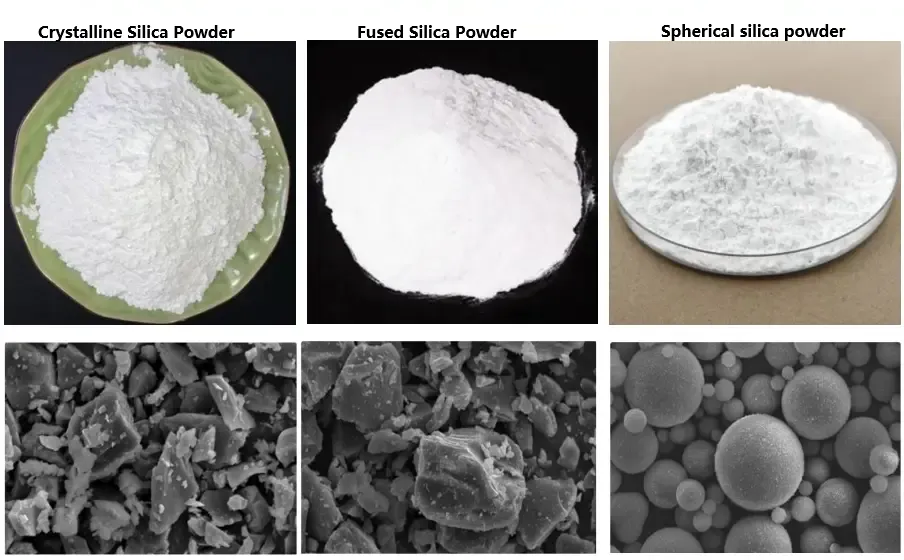
- Crystalline Silica Powder: Produced by grinding natural quartz; used in ceramics, glass, and construction materials.
- High-Purity Silica Powder: Processed via magnetic separation and acid leaching, achieving >99.99% purity; used in electronics and optics.
- Fused Silica Powder: Made by melting and rapidly cooling quartz, offering extremely low thermal expansion; ideal for electronic encapsulation materials.
- Spherical Silica Powder: Formed via high-temperature flame or plasma spheroidization; provides excellent flowability and packing density, widely used in semiconductor packaging.
Q3: In which industries is Silica Micropowder widely used?
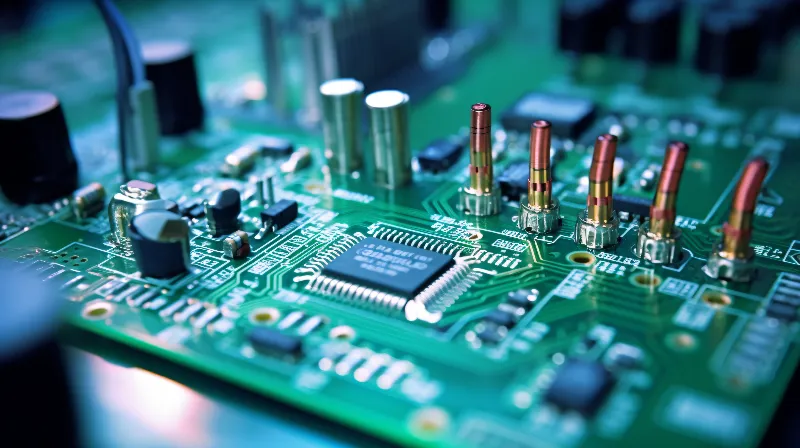
A: Silicon micropowder serves as a versatile functional filler across multiple industries:
- Electronics: Filler for epoxy molding compounds, semiconductor encapsulants, and electronic pastes.
- Plastics & Rubber: Improves wear resistance, hardness, and dimensional stability.
- Coatings & Paints: Enhances adhesion, gloss, and weather resistance.
- Precision Casting: Fused silica ensures smooth casting surfaces and high dimensional accuracy.
- New Energy Materials: Used as a thermal or structural filler in silicon–carbon anode and thermal management systems.
Q4: How does particle size affect Silicon Micropowder performance?
A: Particle size and distribution play a decisive role in determining performance:
- Finer particles offer a larger specific surface area, improving bonding with resins.
- Narrower particle size distribution enhances dispersion and smooth surface finish.
- Ultrafine powder can improve dielectric properties and thermal conductivity, but excessive fineness may lead to agglomeration.
Thus, precise control of D50 and D97 values is essential in production.
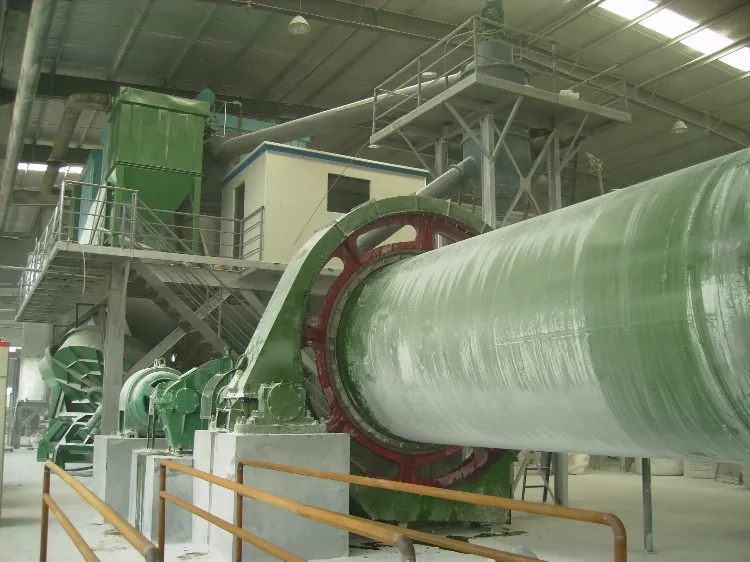
Q5: How is Silica Micropowder produced?
A: The production process generally includes:
- Raw Material Preparation: Selection and cleaning of high-purity quartz or fused silica.
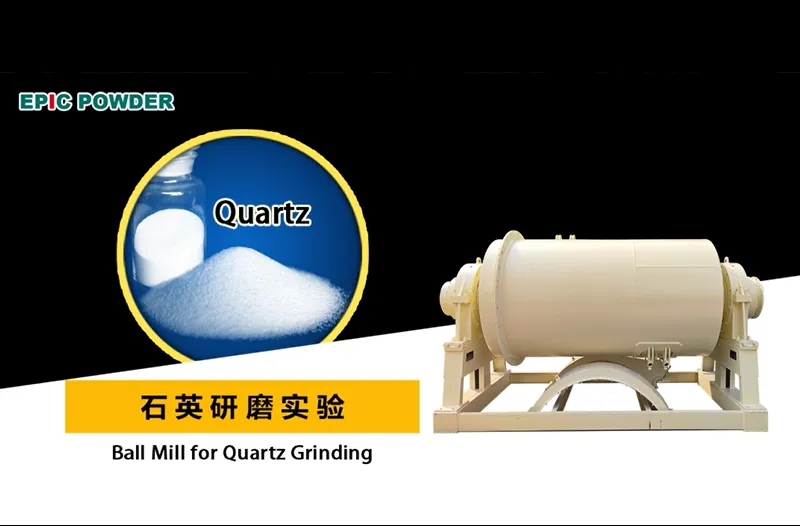
- Grinding: Using ball mills, jet mills, or air classifier mills (ACM) for fine and ultrafine grinding.
- Classification: Employing precision air classifiers for dynamic control of particle size (e.g., D97 < 5 μm).
- Purification: Magnetic separation, acid leaching, or electro-deironing to remove metallic impurities.
- Surface Modification (optional): Coupling agent or silane treatment improves compatibility with polymer systems.
Q6: What advantages does EPIC Powder offer in Silicon Micropowder processing?
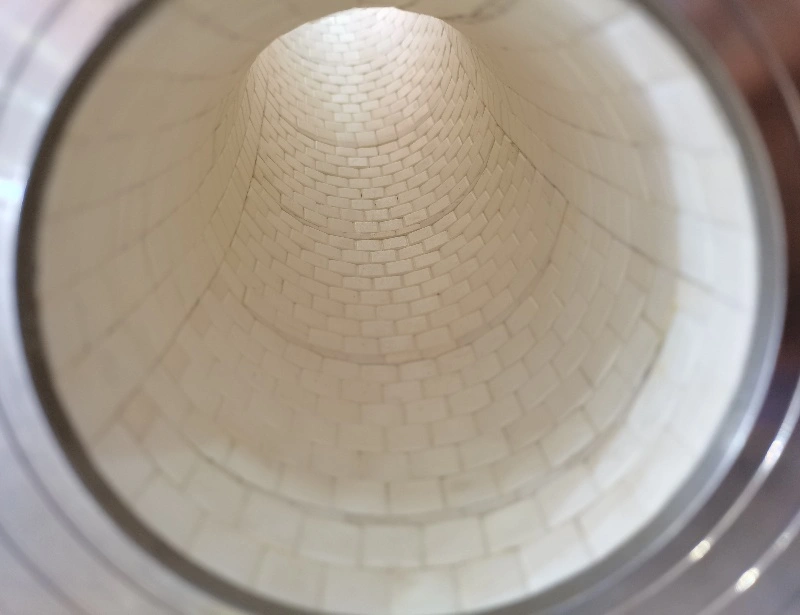
A: With over 20 years of expertise in ultrafine powder technology, EPIC Powder provides complete silicon micropowder production line solutions:
- Flexible Equipment Configuration: Jet mills, ball mill–classifier lines, and air classifier mills to meet various fineness and purity needs.
- Low-Contamination Design: Ceramic or SiO₂ linings prevent Fe and Cr contamination, ensuring electronic-grade purity.
- Precise Classification Control: Dynamic air classifiers achieve adjustable D97 = 3–10 μm with narrow size distribution.
- Energy Efficiency & Automation: Intelligent systems ensure continuous, stable, and low-energy operation.
- Laboratory & Pilot Support: Lab-scale equipment and pilot testing help customers optimize process parameters quickly.
Q7: What are the future trends in Silica Micropowder development?
A: Future trends point toward high-purity, spherical, functionalized, and nano-scale silicon powders.
With the rise of 5G, semiconductors, lithium batteries, and new energy technologies, the demand for superior dielectric properties, thermal conductivity, and purity will continue to grow.
EPIC Powder will keep advancing its expertise in silicon powder processing, offering high-performance solutions through cutting-edge jet milling, precision classification, and surface modification technologies—helping customers achieve greater material performance and value.