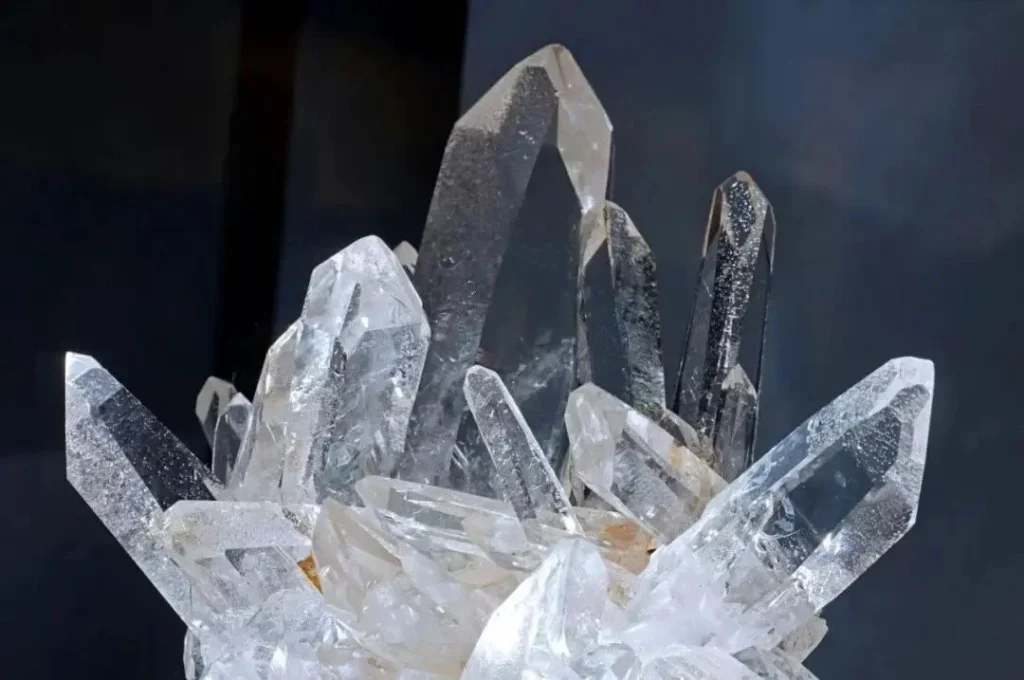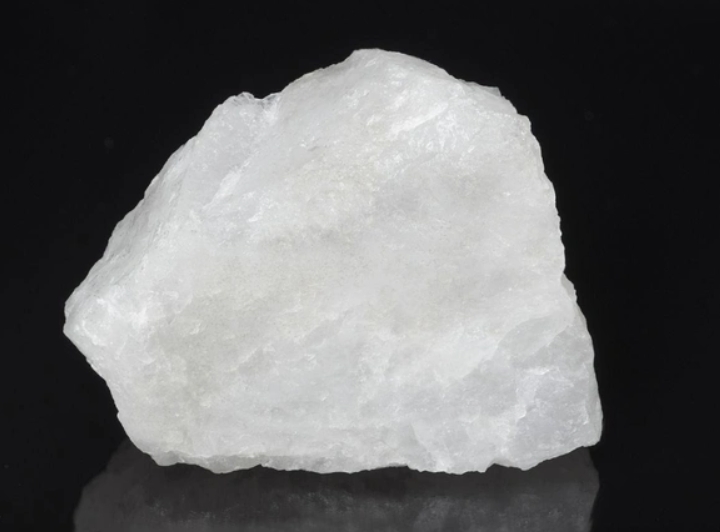
Silica powder is a high-performance, non-metallic inorganic functional material. It is primarily made from natural quartz or fused quartz through a series of fine processing steps. These steps include crushing, classification, grinding, magnetic separation, flotation, and acid leaching. Silica powder exhibits distinct physical and chemical characteristics. It has a small particle size, stable chemical properties, excellent dielectric performance, a large specific surface area, good dispersibility, and high thermal conductivity. As a result, it is widely used in traditional fields such as electronics, chemicals, pharmaceuticals, precision casting, and high-grade ceramics. It is also vital in high-tech sectors like semiconductors, solar photovoltaics, and aerospace. Governments worldwide classify high-purity ultrafine silica powder technology as a critical high-tech domain, maintaining strict secrecy over its processing methods.
In China, demand for high-quality silica powder is immense, yet the country remains heavily reliant on imports. Consequently, preparing high-quality silica powder has become a central focus of domestic powder technology research. This paper presents a detailed discussion of the latest advances in ultrafine grinding and purification technologies. It explores the application of silica powder in critical fields such as copper-clad laminates (CCL) and epoxy molding compounds (EMC), while outlining future development pathways for the industry.
1. Demand Trends and Current Resource Status
Driven by the rapid growth of high-tech industries—including information technology, 5G communications, semiconductors, and photovoltaics—the demand for silica powder is rising steadily. High-purity, ultrafine silica powder exhibits excellent stability, reinforcement, and thixotropy due to its small particle size, large specific surface area, high chemical purity, and superior filling ability. These features significantly boost the mechanical performance of composite materials. Therefore, making silica powder both finer and purer represents the primary development trend in the industry today.
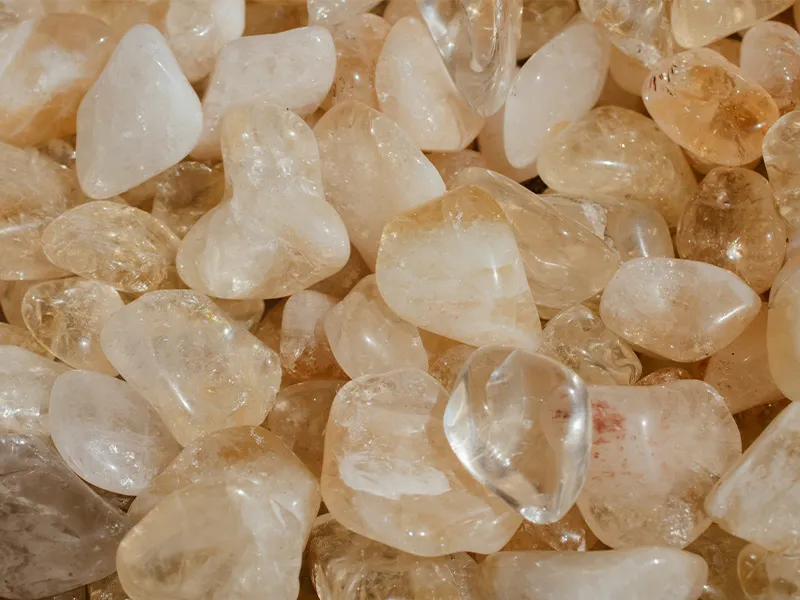
The type of quartz resource directly dictates the micro-powder manufacturing process and the ultimate product quality. Common raw materials include vein quartz, quartzite, and quartz conglomerate:
- Vein Quartz: Known for its exceptionally high purity (with SiO2 content generally ≥99.9%), vein quartz serves as the primary raw material for producing high-purity ultrafine crystalline silica powder.
- Quartzite & Quartz Conglomerate: These materials feature a pure texture and are easy to process, making them excellent potential feedstocks for high-purity ultrafine silica powder.
Preparing high-purity silica powder sets extremely strict requirements on raw quartz quality. Typically, the SiO2 content must exceed 99.9%. The mass fraction of Fe2O3 must remain below 5 ppm, and Al2O3 must be under 10ppm. Furthermore, total impurity content must be controlled below 100 ppm.
To boost both production efficiency and product quality, researchers are conducting extensive studies on ultrafine grinding and purification techniques. Their goal is to optimize existing process flows, thereby improving the yield and resource utilization of high-purity quartz.
2. Current State of Silica Powder Processing Technology
Ultrafine Grinding Technology
Ultrafine grinding technology is increasingly applied in silica powder production. By reducing natural quartz ore or synthetic silica materials down to the micron or nanometer scale, manufacturers can increase the specific surface area and enhance the physicochemical properties of the powder. This meets high-end demands in microelectronics, precision ceramics, advanced coatings, and biomedicine.
Natural quartz ore often contains abundant inclusions and micro-cracks that degrade the purity and performance of the finished powder. Ultrafine grinding significantly reduces these structural defects, improving both particle uniformity and material purity.
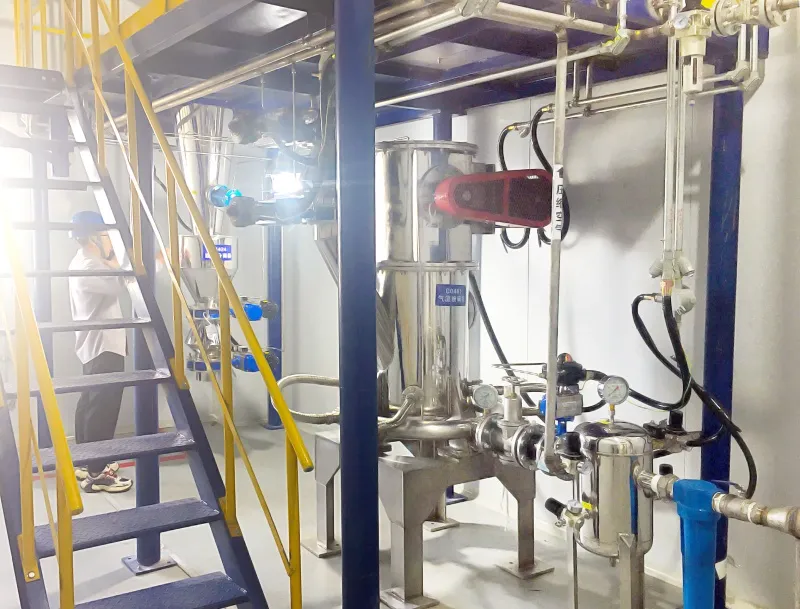
Significant technological progress has been made in recent years. Today’s primary methods include mechanical grinding, jet milling, wet grinding, and ultrasonic pulverization. Commonly used equipment includes jet mills, stirred mills, vibration mills, and planetary ball mills:
Because quartz is extremely hard and tough, traditional mechanical grinding consumes large amounts of energy and yields low output. Worse, it easily introduces secondary contamination from tool wear. By contrast, jet milling has emerged as the ideal choice for high-purity silica powder due to its unique operating principle. High-speed air jets force quartz particles to collide with one another, producing a highly pure powder with a uniform particle size distribution. Jet milling also improves the dispersibility and chemical reactivity of the powder, making it exceptionally well-suited for high-purity electronic packaging materials.
Looking ahead, ongoing innovation in ultrafine grinding will broaden its adoption. By refining equipment designs, optimizing operating parameters, and introducing novel grinding media, manufacturers can boost pulverization efficiency, lower production costs, enhance product quality, and drive technological progress across downstream industries.
Purification Technology
Natural quartz ore contains various impurity elements, primarily Al, Fe, Ca, Mg, Li, Na, K, and Ti. These impurities exist in three distinct forms: matrix mineral impurities, gas-liquid inclusions, and isomorphous lattice impurities. Because raw quartz ores vary significantly in their mineralogical properties, engineers must select purification routes based on chemical composition, mineral liberation characteristics, and impurity occurrence states.
Silica powder purification methods fall into two main categories: physical methods and chemical methods.
Physical Purification
Physical purification relies on color sorting, scrubbing, gravity separation, magnetic separation, and flotation. By combining these steps into a multi-stage cooperative system, processors can remove almost all discrete mineral impurities. The core objective is to build an adaptable separation system tailored to the physical traits of specific co-existing impurities:
- Magnetic Separation: Takes advantage of magnetic differences between quartz and its impurities. By adjusting magnetic field intensity, this process removes magnetic minerals like hematite, ilmenite, and biotite, as well as inclusions attached to magnetic hosts.
- Flotation: Uses specific chemical reagents to attach impurity particles to air bubbles. This separates non-magnetic associated minerals, such as feldspar and mica, from the quartz particles.
While physical methods are straightforward and cost-effective, their performance depends heavily on the type and initial concentration of the impurities. Moreover, physical methods cannot effectively remove gas-liquid inclusions or lattice-bound isomorphous impurities. Consequently, chemical purification remains essential for producing high-purity silica powder.
Chemical Purification
Chemical purification primarily involves acid, alkali, or salt chemical leaching along with thermal treatment:
- Acid/Alkali/Salt Treatment: Chemical solutions react with impurity minerals to dissolve and eliminate surface-bound or internal inclusions. Acid leaching is the most widely adopted approach, typically utilizing a mixture of hydrofluoric, sulfuric, hydrochloric, and nitric acids:
- Hydrofluoric acid (HF) selectively breaks down the Si-O-Si network to form soluble H2SiF6 complexes. It is also required to disrupt the crystal structures of aluminosilicate minerals like muscovite and feldspar.
- Concentrated sulfuric acid (H2SO4) acts as a strong oxidant, converting metal ions like Fe3+ and Al3+ into more soluble high-valence states. Its high boiling point permits leaching at elevated temperatures under atmospheric pressure.
- Hydrochloric acid (HCl) mixed with nitric acid (HNO3) creates aqua regia, which cooperatively decomposes noble metal inclusions.
- Process Control: Acid leaching requires precise control over liquid-to-solid ratios and agitation speed. Excessive shear forces can generate new micro-cracks that readsorb impurity ions.
- Thermal Treatment: Uses high temperatures to decompose or volatilize impurities, clearing out inclusions and lattice-bound contaminants. Key techniques include high-temperature calcination and chlorination roasting:
- High-Temperature Calcination: As inclusions reach their homogenization temperature and continue heating, they burst open. Exposing these internal impurities to the surface makes them easy to remove in subsequent acid leaching stages. High temperatures also promote the migration and escape of isomorphous impurities within the quartz lattice.
- Chlorination Roasting: A specialized thermal technique where chlorine gas (Cl2) or hydrogen chloride (HCl) is introduced at high temperatures. The chlorinating agents react with impurities to form low-boiling-point chlorides. These chlorides then volatilize or dissolve during downstream washing, yielding refined silica powder.
3. Current Application Status of Silica Powder
Silica powder is widely used across copper-clad laminates, epoxy molding compounds, electrical insulation, rubber, plastics, and coatings. The following sections outline its current applications and future trends across these core sectors.
Copper-Clad Laminates (CCL)
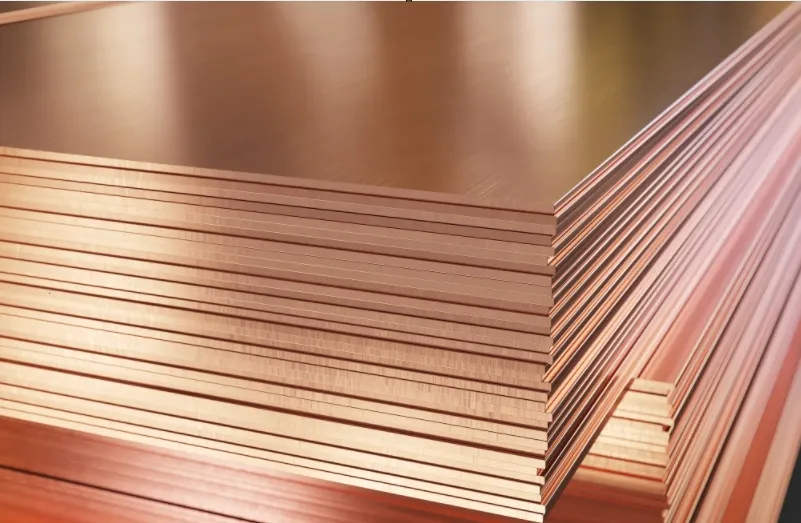
Copper-clad laminates serve as the foundational material for printed circuit boards (PCBs). They require high glass transition temperatures , high elastic modulus, low coefficients of thermal expansion (CTE), low dielectric constants , and low dielectric loss to ensure reliable electronic interconnections.
Inorganic fillers are essential for driving CCL performance. Common options include silica powder, talc, aluminum hydroxide, and magnesium hydroxide. Among these, silica powder stands out due to its high thermal stability, ultra-low CTE, and favorable dielectric traits.
The CCL industry places specific requirements on silica powder regarding particle size, morphology, and surface modification:
- Particle Size: Must balance dispersibility with processability. While smaller particles generally improve packing efficiency, excessively fine particles tend to agglomerate. This worsens dispersion and makes resin mixing and treater coating much harder.
- Morphology: Spherical silica powder is preferred over angular forms because it offers higher loading capacity, lower thermal expansion, and better wear resistance.
- Surface Treatment: Proper surface modification enhances powder dispersion and improves compatibility between the inorganic filler and the organic resin matrix.
Currently, domestic high-purity silica powder for CCL applications faces challenges such as high reliance on high-end imports, elevated product costs, and a need for process optimization. Going forward, the market will focus on high-end product development, domestic import substitution, and meeting the stringent needs of high-frequency, high-speed CCLs.
Epoxy Molding Compounds (EMC)
Epoxy molding compounds are critical encapsulants for semiconductor packaging. Their filler requirements center on reducing thermal expansion, increasing thermal conductivity, and lowering dielectric constants. Silica powder is the primary filler used in EMC formulations, typically accounting for 60% to 90% of the total weight.
Silica powder offers major advantages in EMCs. Its high purity and low alpha-particle emissions reduce the linear expansion coefficient and cure shrinkage of the compound while boosting mechanical strength and electrical insulation.
Compared to angular silica, spherical silica powder allows much higher filler loading. When particle sizes are tailored between 0.1 μm and 30μm, loading levels can exceed 92%, cutting epoxy resin consumption by up to 50%. Additionally, spherical particles flow smoothly during molding, which minimizes flash and air voids while extending mold service life.
Despite these benefits, high-end spherical silica powder suffers from high technical barriers and complex manufacturing processes, driving up costs. As semiconductor packaging trends toward smaller footprints and higher performance, demand will increase for silica powders featuring tighter particle size distributions, higher purity, and superior sphericity.
Rubber
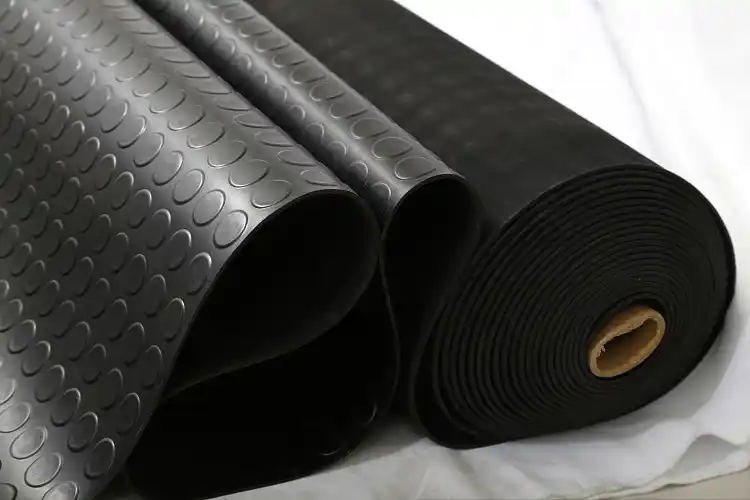
Silica powder serves as a functional filler in the rubber industry, offering clear physical advantages and broad market prospects. Rubber products require fillers that improve mechanical strength, abrasion resistance, heat resistance, and anti-aging properties.
Thanks to its fine particle size, large specific surface area, and thermal durability, silica powder significantly boosts the tensile strength, modulus, and tear resistance of rubber composites. Furthermore, its high purity and uniform dispersion help form a dense filler network that enhances wear and aging resistance.
However, untreated silica powder contains abundant acidic silanol groups (Si-OH) on its surface. This makes it hydrophilic and poorly compatible with hydrophobic rubber matrices, hurting overall composite performance. Researchers resolve this issue through surface modification, commonly using silane or titanate coupling agents. These agents react with surface hydroxyl groups to lower surface energy, improving compatibility and dispersion in rubber.
Driven by growing demand for high-performance rubber, future research will focus on developing ultra-fine, ultra-pure silica powders alongside specialized coupling agents. Scientists are also working to uncover exact chemical modification mechanisms to unlock better synergistic effects among composite additives.
Other Applications
Silica powder is extensively utilized in coatings, electrical insulation, and adhesives:
- Coatings: It improves corrosion resistance, wear resistance, electrical insulation, and heat resistance. By optimizing particle size distributions (0.1-10μm), formulators can increase film density. Substituting a portion of titanium dioxide (TiO2) with silica powder maintains opacity while improving thermal durability.
- Electrical Insulation: High volume resistivity and thermal stability make silica powder a staple in high-voltage insulators and cable accessories, preventing electrical leakage and keeping equipment safe.
- Adhesives & Sealants: Silica powder boosts adhesive bond strength and lowers peak exotherm temperatures during curing, leading to stronger mechanical properties and improved aging resistance.
4. Summary and Outlook
As a high-performance non-metallic inorganic material, silica powder enhances key composite properties—including wear resistance, chemical durability, heat resistance, electrical insulation, and mechanical strength—while reducing thermal expansion and raw material costs. Although processing techniques have advanced in recent years, domestic producers still face hurdles in developing top-tier silica products.
- Targeting High-Tech Frontiers: As industrial upgrading accelerates, research will focus on using high-purity silica powder in high-end copper-clad laminates, advanced coatings, high-performance adhesives, and critical insulation materials. These demanding applications require strict control over purity, particle size uniformity, and spherical morphology.
- Focusing on Fine and Functional Processing: Future processing technology will center on high purity, ultrafine particle sizes, and spherical shaping. At the same time, surface modification will advance further through organic, inorganic, and composite techniques. Tailoring surface properties to specific resin matrices will remain key to meeting the evolving needs of next-generation high-tech industries.

“Thanks for reading. I hope my article helps. Please leave a comment down below. You may also contact Zelda online customer representative for any further inquiries.”
— Posted by Emily Chen