Understanding Silica Powder in Ink
What is Silica Powder?
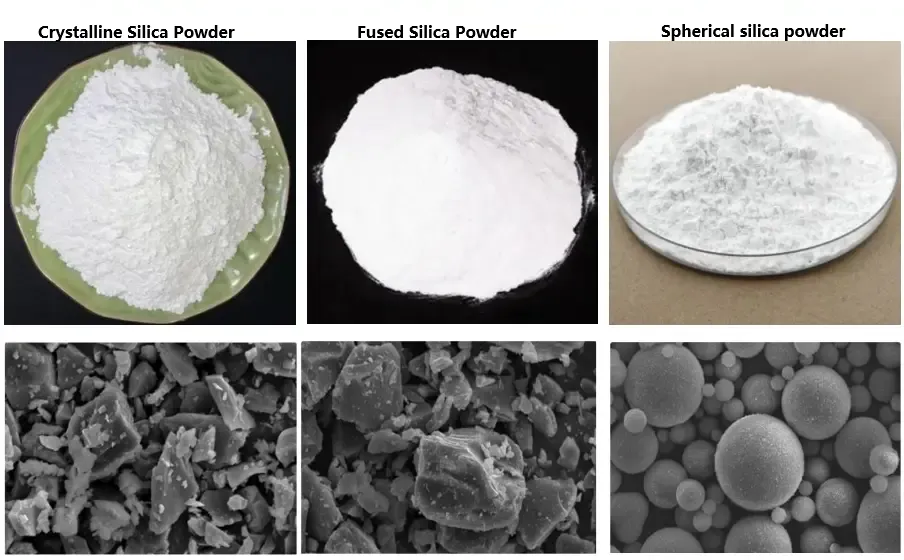
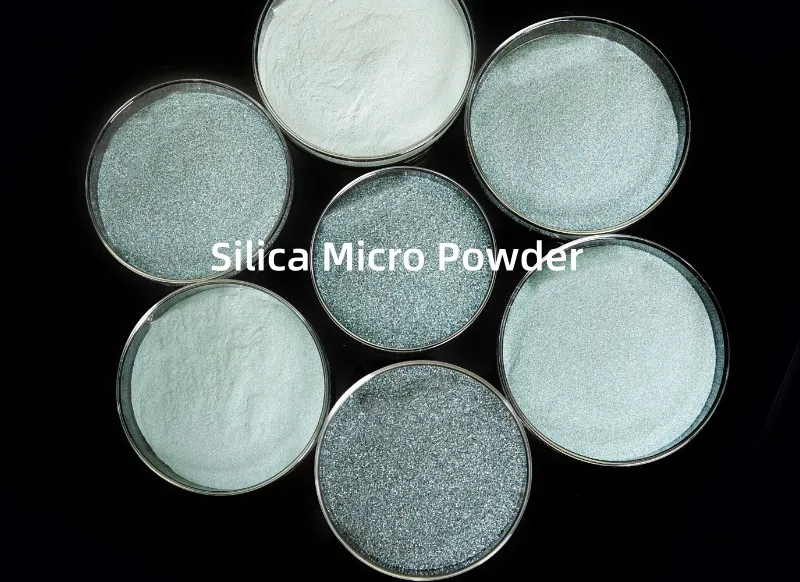
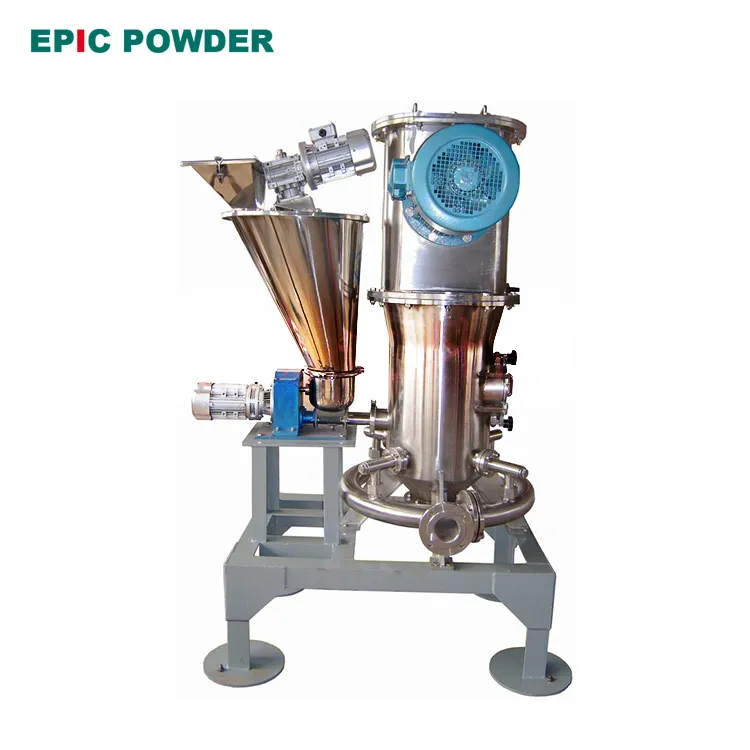
Silica powder is a fine, white, amorphous form of silicon dioxide (SiO₂) commonly used across various industries. In the context of ink production, it acts as a crucial additive known for its excellent dispersibility, high surface area, and chemical inertness. Silica powder is typically produced through processes like air jet mill or ball mill to achieve the desired particle size and shape. This finely ground powder contributes to the physical and chemical properties of inks, making it a versatile ingredient in modern ink formulations.
Role of Silica Powder in Ink Formulations
In ink formulations, silicon powder serves several functions that directly impact ink performance. Its primary role is to improve the rheology or flow characteristics of the ink, providing better consistency and stability during application. Silica particles help control viscosity, preventing the ink from settling or clumping. Additionally, silica contributes to enhanced opacity and hiding power by scattering light effectively, although its influence is often dependent on the type and amount used. By integrating silica powder, ink manufacturers can create products that are more durable, stable, and with improved print quality—meeting the exacting standards of today’s printing technologies worldwide.
Common Questions About Silica Powder in Ink
Does Silica Powder Improve Ink Hiding Power?
Yes, adding silica powder to ink can improve its hiding power, but it depends on the type and amount used. Silicon powder helps by enhancing the ink’s opacity, making printed images and text stand out more clearly on various surfaces. The fine particles of silica scatter light effectively, which boosts coverage and reduces the transparency of the ink. However, the impact on hiding power also relies on other ink components and how well the silica is dispersed during mixing—using techniques like air jet mill or ball mill can ensure the particles are finely milled for better performance.
Are There Any Drawbacks to Adding Silica Powder?
While silica powder offers benefits, there are a few potential drawbacks to consider. Adding too much silica can make the ink thicker and harder to apply, potentially affecting drying times and print smoothness. It might also cause issues with ink flow or settling if not properly suspended, leading to uneven print quality. In some cases, silicon particles can cause abrasion to printing equipment if the powder is too coarse. That’s why choosing the right type of silicon powder and following recommended mixing procedures is crucial for balancing benefits without compromising the ink’s usability. For more on selecting suitable silica powders, check out this guide on preparing high sphericity silica micro powder from quartz powder.
Benefits of Adding Silica Powder to Ink
Enhanced Opacity and Coverage
Adding silicon powder to ink significantly boosts its opacity, making prints appear more vibrant and easier to see on a variety of surfaces. This enhanced hiding power means less ink is needed to cover backgrounds, improving overall coverage efficiency. Silica particles scatter light effectively, which increases the ink’s ability to mask underlying colors or textures. This makes it ideal for printing on challenging materials like dark paper or uneven surfaces.
Improved Ink Stability and Durability
Silica powder also strengthens the ink’s stability and durability. It helps prevent settling or separation of pigments, leading to a more consistent application. Additionally, silica enhances the ink’s resistance to abrasion and environmental wear, extending the life and quality of the printed materials. These advantages contribute to better print reliability and longer-lasting results, crucial for both commercial and industrial printing demands.
| Benefits | Impact |
|---|---|
| Increased opacity | Better coverage, fewer coats needed |
| Light scattering effect | Enhanced hiding power |
| Improved pigment stability | Consistent ink performance |
| Added durability | Longer-lasting prints |
For superior performance, selecting the right type of silicon powder and milling process, such as air jet mill or ball mill methods, can further optimize these benefits. Technologies like ultrafine silica powder production enhance the powder’s effectiveness in ink formulations—details on this can be found in advanced sources covering ultrafine silica powder production technology.
How to Add Silica Powder to Ink
Choosing the Right Type of Silica Powder
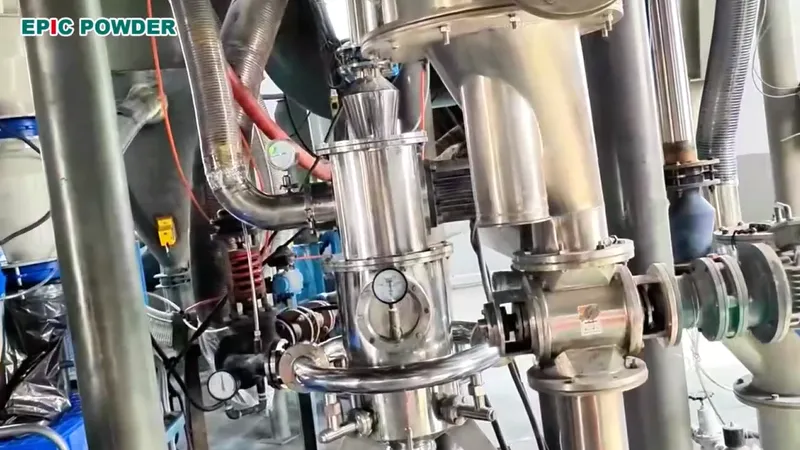
Selecting the right silica powder is crucial for improving ink performance. Ultrafine silica powders with a narrow particle size distribution tend to disperse more evenly, enhancing ink opacity and smoothness. You want silica that’s consistent in size and purity to avoid clumping or uneven texture in your ink. Modern grinding methods, such as those used in an air jet mill or ball mill, help achieve this consistency. For precise grinding of ultrafine silica powder, technologies like the ones detailed in the Epic Powder jet mill case study are worth exploring.
Recommended Mixing Procedures
To fully integrate silicon powder into ink, it’s important to follow proper mixing steps:
- Pre-dispersion: Slowly add silicon powder to the ink base under low shear to prevent clumping.
- High-shear mixing: Use high-shear mixers or mills to break up agglomerates and achieve uniform dispersion.
- Incremental addition: Introduce silica in small amounts, checking texture and flow at each stage.
- Cooling: Maintain suitable temperatures during mixing to avoid ink degradation.
Following these steps maximizes the silica’s effect on hiding power without compromising ink flow or consistency.
Quality Control and Testing
Once silica powder is added, quality control is essential to ensure the ink meets performance standards:
- Viscosity checks: Confirm that the ink maintains proper flow for printing.
- Opacity tests: Measure the ink’s hiding power on standard substrates.
- Stability trials: Evaluate the ink over time for sedimentation or changes in texture.
- Particle size verification: Test silica dispersion to avoid uneven print quality.
These checks make sure your final ink product delivers consistent, high-quality results. For detailed grinding and particle size control steps, visit this guide on spherical silicon micropowder production.
Practical Results from Using Silica Powder in Ink
Increased Hiding Power in Printed Materials
Adding silica powder to ink formulations can noticeably boost the hiding power of printed materials. Silica particles scatter light effectively, helping the ink cover underlying surfaces more thoroughly. This means colors appear more vibrant and less transparent, making prints look sharper and clearer. Using finely ground silica, often processed through advanced methods like an air jet mill or ball mill, helps achieve a consistent particle size that maximizes this effect.
Better Print Quality and Consistency
Silicon powder enhances the overall print quality by improving the ink’s texture and flow. It fills microscopic gaps in the ink film, leading to smoother surfaces and more even color distribution. This reduces issues like streaking or patchiness, resulting in a more consistent printing outcome. Consistent particle size distribution—often ensured by specialized milling techniques—plays a key role in maintaining high-quality prints batch after batch.
Cost-Effectiveness in Ink Production
Incorporating silica powder is also cost-effective. Because silica increases opacity and improves the ink’s coverage, manufacturers can use less pigment to achieve the desired effect without sacrificing quality. This balances raw material costs while maintaining excellent performance. Plus, silica’s contribution to ink stability reduces waste from failed prints, making the production process more efficient overall. For more on optimizing powder quality in formulations, exploring methods like those highlighted in this detailed analysis of silica micropowder applications can provide deeper insights.

“Thanks for reading. I hope my article helps. Please leave a comment down below. You may also contact Zelda online customer representative for any further inquiries.”
— Posted by Emily Chen