epicpowder

white carbon black

Which Process Is More Suitable for Silica Ultrafine Grinding (White Carbon Black): Jet Mill or Mechanical Mill?

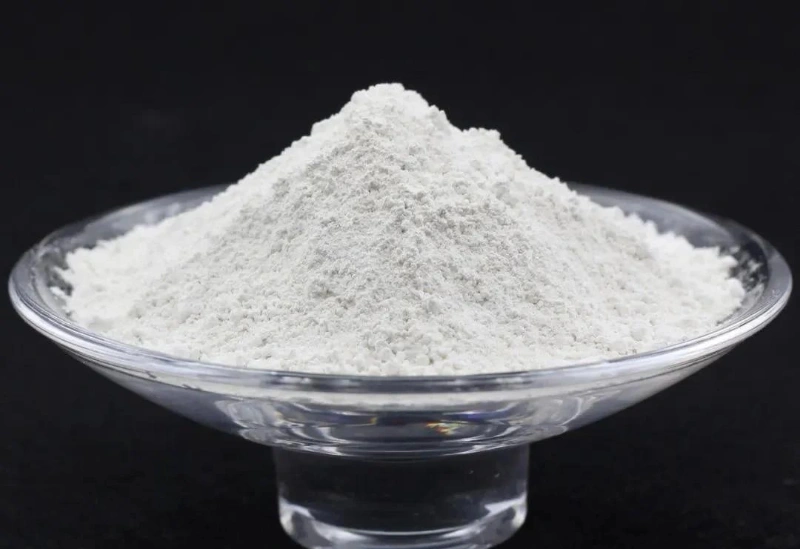
Silica (white carbon black), including precipitated silica and fumed silica, is a high-performance inorganic filler widely used in rubber reinforcement, coating rheology control, and transparent reinforcement of silicone rubber. Silica ultrafine grinding (typically D50 < 10 μm, and even submicron level) directly affects specific surface area, dispersibility, purity, and reinforcing performance. The most common ultrafine
Which Process Is More Suitable for Silica Ultrafine Grinding (White Carbon Black): Jet Mill or Mechanical Mill? Read More »

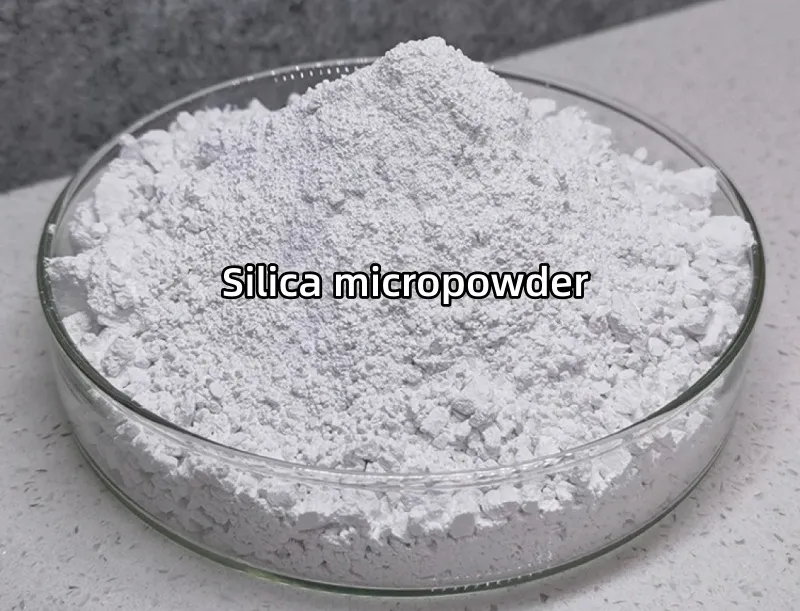
Silica micropowder

What Are the Characteristics of the Three Common Types of Silicon Micropowder and Their Application Areas?

Silicon micropowder is a silicon dioxide (SiO₂) powder material produced from crystalline quartz, fused quartz, and related raw materials through processes such as crushing, grinding, precision classification, and impurity removal. Classification and Characteristics of Silicon Micropowder Based on differences in particle morphology and physical structure, silica micropowder is commonly classified into crystalline silica micropowder, fused

What Are the Characteristics of the Three Common Types of Silicon Micropowder and Their Application Areas? Read More »

modified silica powder

Why Does Silica Micro Powder (Ultrafine Quartz Powder) Need Surface Modification?

Silica micro powder—also known as ultrafine quartz powder, fused silica powder, or crystalline silica powder—is produced from high-purity quartz through crushing, classification, and purification. The particle size typically ranges from 1–45 μm, with SiO₂ content between 99.5% and 99.99%. Silica micro powder surface modification plays a crucial role in enhancing compatibility and performance in downstream

Why Does Silica Micro Powder (Ultrafine Quartz Powder) Need Surface Modification? Read More »

High purity quartz sand

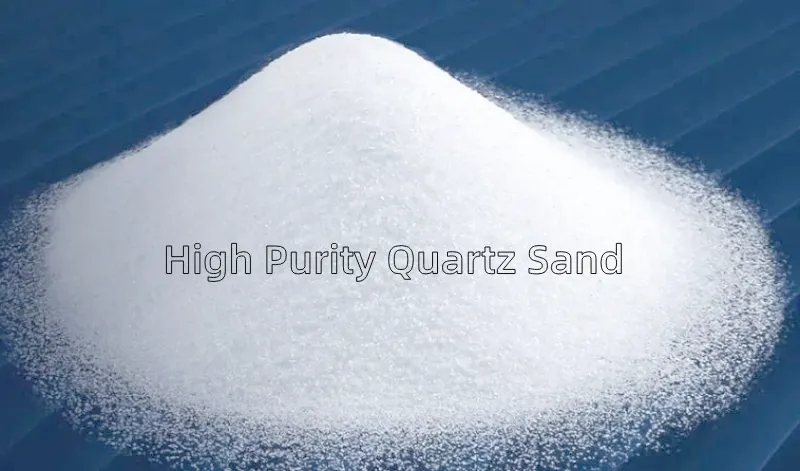
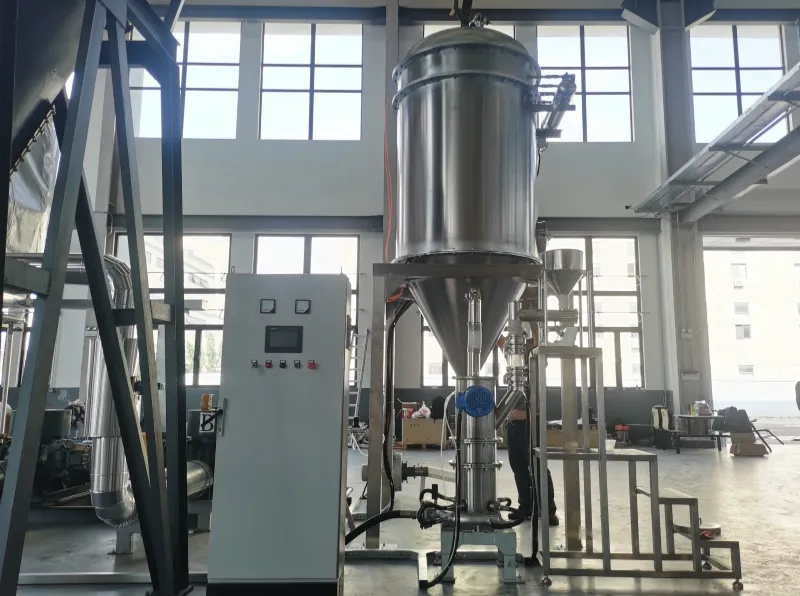
What Is High Purity Quartz Sand Used for and How to Get It? – Quartz Grinding Production Line

Last updated: November 19, 2026  ·  By Jason Wang, Engineer, EPIC Powder High purity quartz sand (HPQ) is quartz with an exceptionally high SiO₂ content and extremely low levels of Al, Fe, Ti, B, P, alkali metals and other trace elements. In this guide, we use the broad industry definition: HPQ starts at about 99.9%

What Is High Purity Quartz Sand Used for and How to Get It? – Quartz Grinding Production Line Read More »

ultrafine quartz powder solution-jet mill

How to Prepare High-Sphericity Silica Micro-powder from Quartz Powder?

High-sphericity silica micro-powder (sphericity ≥ 0.95, often called spherical SiO₂) is an essential functional powder in advanced fields such as 5G substrates, copper-clad laminates (CCL), EMC epoxy molding compounds, silicone adhesives, and thermal interface materials. Traditional quartz powder produced by mechanical crushing has irregular angular shapes. Direct use leads to high system viscosity, low filling

How to Prepare High-Sphericity Silica Micro-powder from Quartz Powder? Read More »

Fused Silica

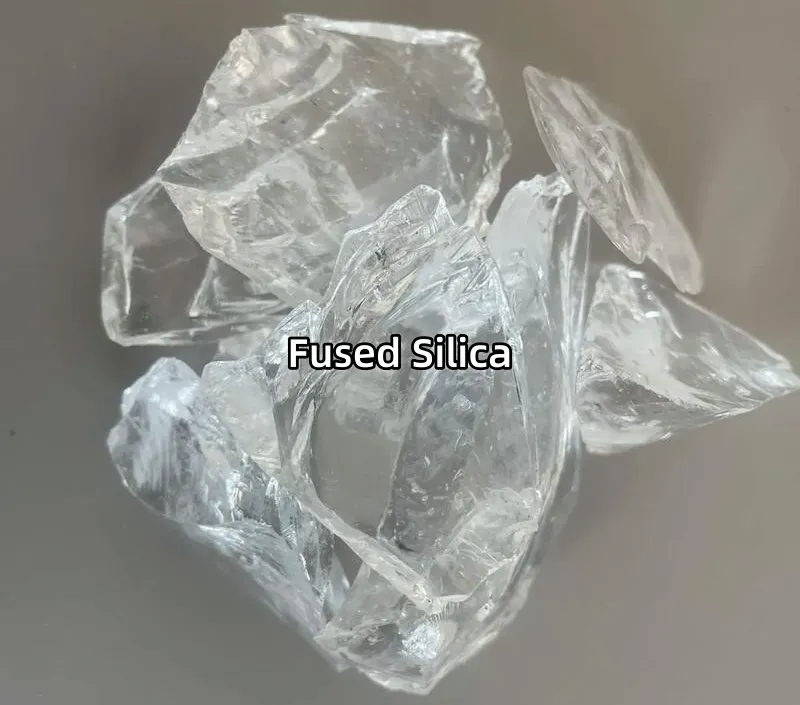
What is Fused Silica? What are the Applications of Fused Silica?

In the fields of semiconductors, optics, aerospace, and high-end ceramics, there is a material often referred to as the “most expensive sand”—fused silica. It is not just ordinary quartz sand that is melted and cooled. It is the purest, most stable form of amorphous silica (SiO₂>99.999%) that can be industrially produced. Fused silica is nearly

What is Fused Silica? What are the Applications of Fused Silica? Read More »

Glass Powder

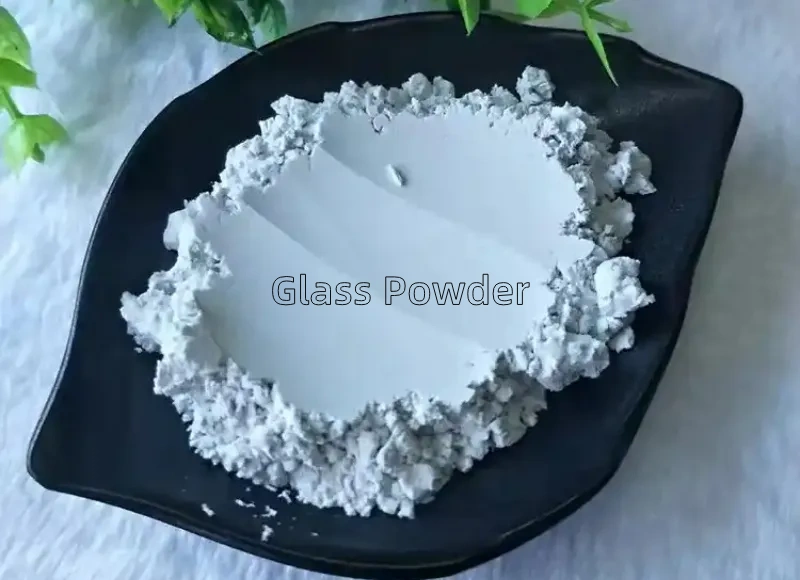
Why Is Glass Powder the “Universal Additive” of Modern Industries?

It is not as sharp as diamond, nor as rare as rare earth materials—yet it is found almost everywhere.From smartphone screens to aerospace thermal-control coatings, from premium toothpaste to deep-sea oil well cement, from artistic paints to lithium-battery separators, glass powder quietly pushes performance boundaries across countless industries. It Can Do “Almost Everything” Application Field

Why Is Glass Powder the “Universal Additive” of Modern Industries? Read More »

Ultrafine quartz powder

How Can You Achieve Quartz Ultrafine Grinding with D97 Below 10 Microns?

Ultrafine quartz grinding requires precision, strict contamination control, and highly stable performance. If you work with quartz ultrafine grinding, you already know that consistently reaching D97 ≤ 10 μm while maintaining purity and maximizing yield is challenging. Whether you’re operating in semiconductor manufacturing, photovoltaic materials, or high-end coatings, today’s demand for ultrafine silica powder processing

How Can You Achieve Quartz Ultrafine Grinding with D97 Below 10 Microns? Read More »

high-purity quartz

How to Achieve Precise Classification of Ultrafine Quartz Powder?

Ultrafine quartz powder (D50 2–10 μm, D90 < 15 μm) is widely used in electronic encapsulation, precision casting, optical glass, coatings, quartz ceramics, semiconductor materials, and other high-end industries. In these applications, particle size distribution, particle morphology, purity, and stability directly determine the performance of the final material. As the demand for high-purity quartz powder

How to Achieve Precise Classification of Ultrafine Quartz Powder? Read More »