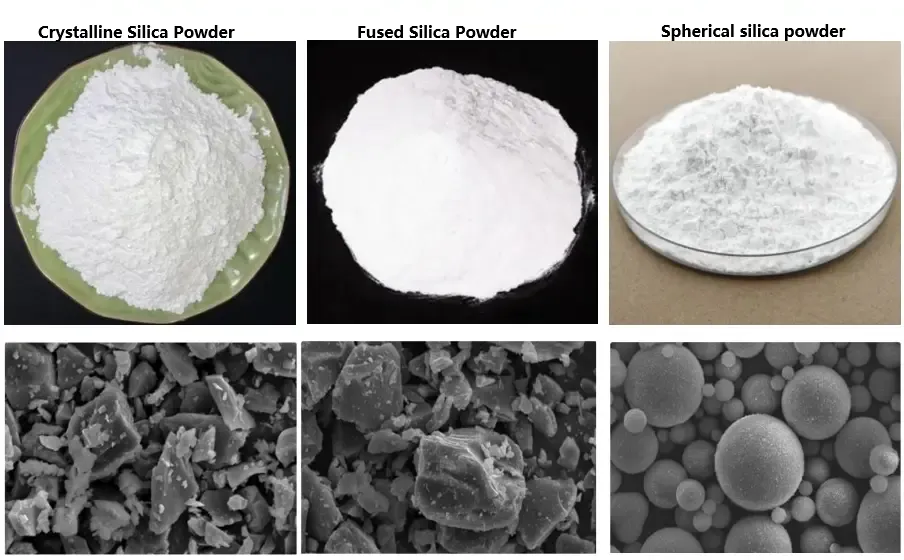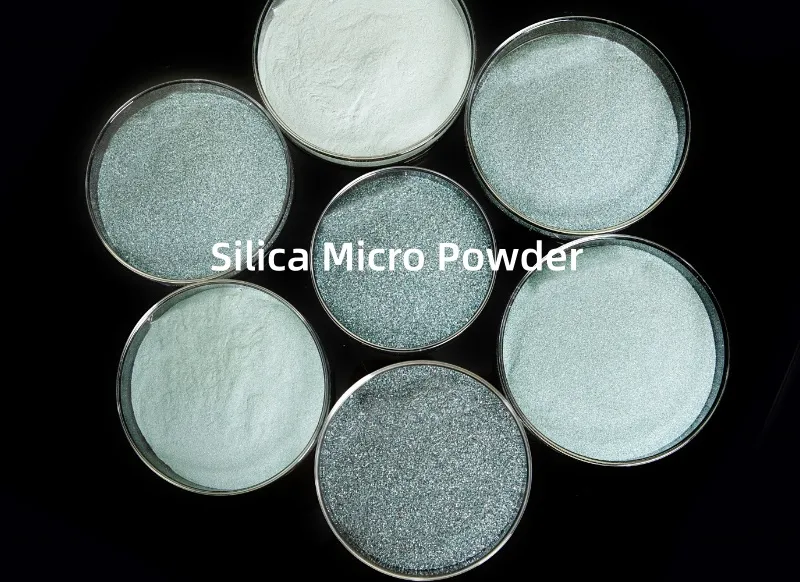
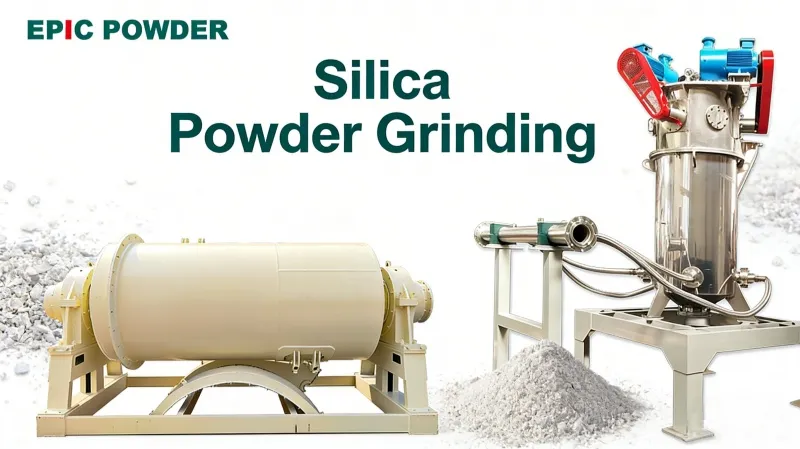
High-purity silica powder (>99.9% SiO₂) is a critical inorganic functional filler in copper clad laminates (CCL), epoxy molding compounds (EMC), electronic packaging, advanced ceramics and photovoltaics. As electronic devices demand better signal integrity and reliability, the industry is upgrading from ordinary filler-grade powder to high-purity, high-performance grades — where traces of Fe, Al, Na, K and Ti directly affect electrical performance. Impurity control is now the key competitive factor in silica powder manufacturing. For a broader view of how grinding technology supports this upgrade, see our analysis of how high-purity silica powder is processed from quartz ore and where it is heading next.
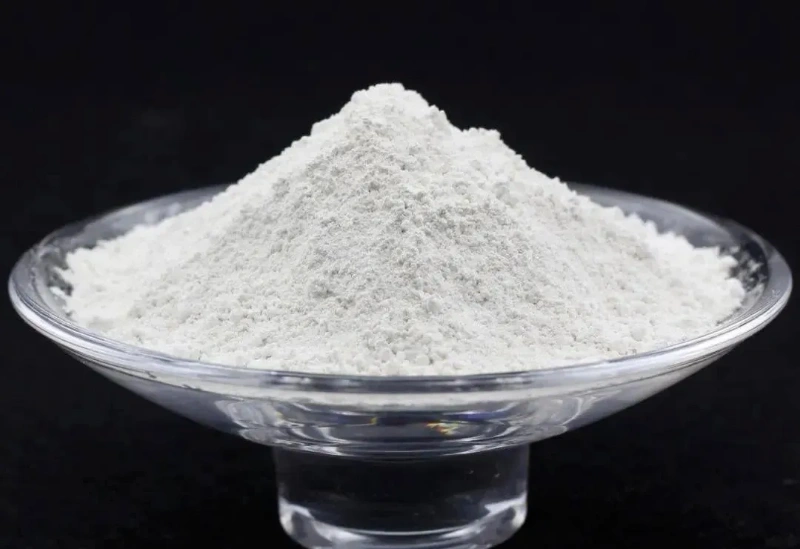
Why Impurity Control Is So Difficult
High-purity silica powder is typically made from vein quartz, quartzite or fused quartz. Not sure which feedstock suits your grade? Start with our guide to which ores can produce high-purity quartz, or learn more about what fused silica is and where it is used. Natural quartz contains three types of impurities:
- Gangue minerals — attached foreign minerals on particle surfaces
- Fluid inclusions — tiny sealed pockets of liquid and gas inside crystals
- Lattice impurities — atoms substituted into the SiO₂ crystal structure itself
Because quartz is dense and hard, some impurities are locked inside inclusions or the crystal lattice. A single beneficiation step or simple acid wash cannot achieve high purity. The industry therefore uses a multi-stage purification route: pretreatment → physical separation → chemical leaching → thermal (chlorination) treatment — an industrial extension of the nine purification technologies for quartz sand.
Stage 1: Raw Material Selection and Pretreatment
Pretreatment determines the purity ceiling and processing economics of the final product. Inclusions and lattice-sealed impurities block leaching reagents from penetrating the particles — without targeted structural modification, deep impurity removal is inefficient. Pretreatment covers three steps: raw material selection, calcination–water quenching, and ultra-fine grinding with classification. The underlying logic follows the full chain of transformation from quartz ore to high-purity quartz.
Raw Material Selection
- Vein quartz: simple mineral composition and high base grade, but limited reserves of high-purity ore
- Quartzite: balances purity and reserves; increasingly the mainstream choice
- Fused quartz: mainly used for electronic-grade fused silica powder
For high-purity applications, feed material generally requires SiO₂ ≥ 99%, with strict limits on iron and aluminum. Exact thresholds differ by application — see the breakdown of purity requirements for quartz raw materials across applications.
Calcination and Water Quenching
Quartz is calcined at high temperature (phase transformation) and then rapidly quenched in water. The intense thermal stress generates micro-cracks inside particles, opening fluid inclusions and exposing sealed impurities. The crack network also creates mass-transfer channels for later acid leaching and improves grinding liberation.
Ultra-fine Grinding and Precision Classification
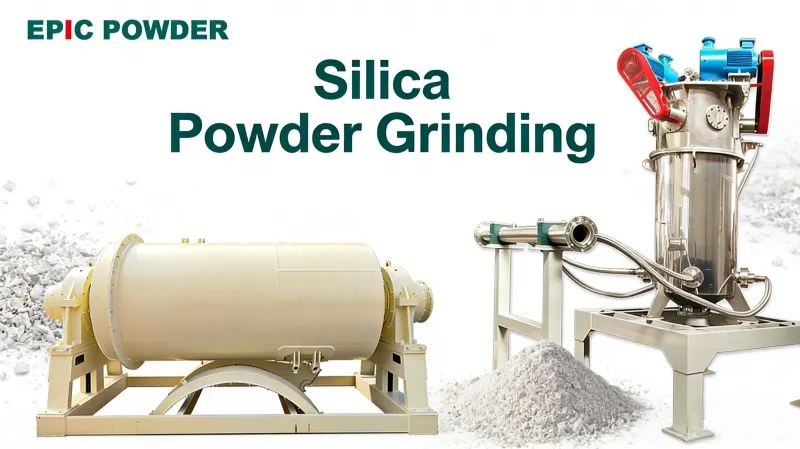
After calcination–quenching, the material is ground and classified to achieve full mineral liberation and precise particle size control. Common ultra-fine grinding equipment includes jet mills, stirred mills and planetary ball mills. Jet milling avoids grinding-media contamination, making it the preferred choice for high-purity powder — a detailed comparison is available in our article on why jet mills outperform ball mills for high-quality quartz powder.
Ultra-fine grinding improves the kinetics of downstream purification and removes coarse particles that would pose reliability risks in electronic packaging. Equally important is the classification step: tight top-size control depends on precise classification of ultrafine quartz powder.
Stage 2: Combined Physical–Chemical Purification
Even after pretreatment, residual associated minerals, lattice impurities and trace radioactive elements remain. For electronic- and semiconductor-grade powder, the industry applies a “physical separation – chemical leaching – thermal treatment” multi-stage system that removes impurities step by step.
Physical Separation (Magnetic, Flotation, Optical Sorting)
Physical separation reduces impurity load at the front end, exploiting differences in magnetism, surface wettability and color:
- Magnetic separation: removes iron- and titanium-bearing magnetic minerals — see our dedicated guide on eliminating iron contamination in fine quartz grinding
- Flotation: separates feldspar, mica and other associated silicates
- Optical (color) sorting: rejects off-color impurity particles
Physical methods cut total impurities before chemical treatment, lowering reagent consumption. However, they cannot remove impurities already inside the crystal lattice or inclusions — so they serve as the front-end step only.
Chemical Leaching (Mixed Acid, Hot-Pressure Acid, Alkaline)
Quartz resists almost all acids except hydrofluoric acid, enabling selective dissolution of impurity minerals into soluble salts:
- Mixed-acid leaching: removes surface and near-surface metal impurities; multi-acid systems outperform single acids
- Hot-pressure acid leaching: high temperature and pressure enhance mass transfer, releasing impurities from inclusions for higher-purity products
- Alkaline leaching: targets specific silicate impurities
Chemical leaching efficiently cleans exposed surfaces and crack channels, but substitutional and interstitial lattice impurities are difficult to remove by conventional acid leaching alone.
Chlorination Roasting (Thermal Treatment)
Chlorination roasting is the key thermal technology for deep removal of lattice impurities. In a high-temperature chlorine atmosphere, lattice metal impurities convert to volatile metal chlorides and escape; high temperature also promotes migration of lattice impurities toward particle surfaces — achieving lattice purification that ordinary acid leaching cannot.
Chlorination roasting extends purification from surface impurities into the crystal lattice. Beyond metals, the industry is now focused on removing trace radioactive elements (U, Th) to meet demand for low-alpha silica powder in semiconductor packaging — closely tied to the role of spherical silica powder in advanced electronic packaging. Overall, the trend is clear: from surface impurity removal toward deep lattice purification.
Purification Methods at a Glance
| Method | Target Impurities | Strengths | Limitations |
|---|---|---|---|
| Physical separation (magnetic / flotation / optical sorting) | Associated minerals on surfaces — Fe/Ti magnetic minerals, feldspar, mica | Low cost; reduces impurity load up front | Cannot remove lattice or inclusion impurities |
| Chemical leaching (mixed acid / hot-pressure acid / alkaline) | Surface and crack-channel metal impurities | Highly efficient for exposed impurities | Limited against lattice-type impurities |
| Chlorination roasting | Lattice-type impurities, trace radioactive elements | Deep lattice purification | Higher energy and equipment requirements |
FAQ
Q1: What purity grade is considered “high-purity” silica powder?
Typically SiO₂ ≥ 99.9% for electronic grade; semiconductor packaging grades demand even stricter control of Fe, Al, Na, K, Ti and radioactive elements.
Q2: Why is calcination and water quenching necessary?
It creates micro-cracks that open fluid inclusions and expose sealed impurities, enabling leaching reagents to penetrate — a prerequisite for high-purity output.
Q3: Which purification step removes impurities inside the quartz crystal lattice?
Chlorination roasting. Physical separation and acid leaching mainly handle surface and crack-channel impurities. For the full picture of how comminution routes affect purity and morphology, read our comparison of ball-milled vs. jet-milled vs. spherical silica powder.
Q4: What is low-alpha silica powder used for?
It is used in semiconductor packaging (EMC/CCL) where trace radioactive elements (U/Th) would cause soft errors in chips.
Need a solution for silica powder? [Get a free quote →]